
Afternoon snackers keeping an eye on fat
You compare the fat content on the label and consider low fat separately from calorie content. The European Commission sets a maximum of 3 g of fat per 100 g for the ‘low fat’ claim on solid foods.


Choose dried fruit by checking the fat content on the label and considering the portion you plan to eat. The term ‘reduced fat’ does not mean the product has a low absolute fat content. Product information for the AH, Jumbo and PLUS apricots examined lists 0.5–0.6 g of fat per 100 g. This is below the European Commission’s 3 g per 100 g threshold for the ‘low fat’ claim on solid foods, but does not in itself prove a separate reduction in fat.
You compare the fat content on the label and consider low fat separately from calorie content. The European Commission sets a maximum of 3 g of fat per 100 g for the ‘low fat’ claim on solid foods.
You fancy something sweet during your afternoon break and keep an eye on the sugar content and portion size. For the apricots examined, Jumbo lists 47 kcal and 10.2 g of sugar per 20 g serving.
You want to take fruit with you and check the packaging, storage advice after opening and allergen information. AH says its soaked apricots should be refrigerated after opening.
Start by checking the label per 100 g, then decide which portion size and storage method suit your afternoon break.
| What to consider | What to look for | Who is this important to? |
|---|---|---|
| Fat content and fat reduction | Compare the fat per 100 g, and don’t take a comparative claim as proven based on a low figure alone. | If I’m choosing mainly based on fat, I check the label and distinguish between low fat content and a claim about fat reduction. Around 31% of consumers say fat content is their top priority when buying. |
| Portion size, sugar and energy | Compare sugar and energy per 100 g, then work out how much is in the portion you eat. The World Cancer Research Fund recommends no more than 20 g of dried fruit a day; this is dietary advice, not a legal limit. | When I’m measuring out a sweet snack, I want to know how much sugar and energy my portion contains. For around 25% of consumers, portion size and sugar come first. |
| Taking it with you and storage | Follow the storage instructions on the exact pack you buy, especially after opening; don’t assume they’re the same as for another product. | I check whether the product suits my break and the place where I can store it. Practicality is the top priority for around 19% of consumers. |
| Sulphites and allergens | Check the ingredients and warnings on the packaging of the variety you’re buying. | If allergen information is my main consideration, I want to be able to check the warnings on that exact pack. This applies to around 13% of consumers. |
| Pack size | Compare the pack weight with the amount you expect to use and the storage instructions. | I choose an amount that suits how I’ll use it, so I can store and finish the contents conveniently. For around 12% of consumers, pack size is the most important consideration. |
The fat content per 100 g describes the product; on its own, it doesn’t show that the product has less fat than another one.
Compare the nutritional values of the exact products and check what any comparative claim is based on. For the ‘low fat’ claim on solid foods, the European Commission sets a maximum of 3 g of fat per 100 g.
For the apricots examined, PLUS lists 0 g of added sugars and 53.4 g of total sugar per 100 g.
Read both the ingredients list and the ‘of which sugars’ line in the nutrition information, and bear your portion size in mind.
The AH soaked apricots examined should be refrigerated after opening; for the products examined, Jumbo and PLUS say to store in a cool, dry, dark place.
Follow the storage instructions on the pack you buy, including after opening.
AH Soaked Dried Apricots are a variety to consider if you’re looking for soaked apricots.
Jumbo Pitted Dried Apricots 250 g is a variety examined with nutritional information for a 20 g portion.
Alesto includes dried fruit and nuts; Lidl’s range information mentions apricots, among other products.
The variety examined is Trader Joe’s Sun-Dried Apricots 250 g at ALDI.
PLUS Dried Apricots is an own-brand variety examined, sold in a 375 g stand-up pouch.
Dirk presents the 375 g apricots examined as a snack.
These Joybuy products are options for a dried fruit snack. Compare the nutritional values and ingredients of the exact variety, as the fruit types and portion details listed vary.
 No image available
The individual 14 g boxes are handy if you’re looking for a pre-portioned snack.
Product information lists 10 boxes of 14 g and says to store in a cool, dry, dark place.
Product information says suitable from 12 months. Supervise children while they eat; not suitable for children with swallowing difficulties.
 No image available
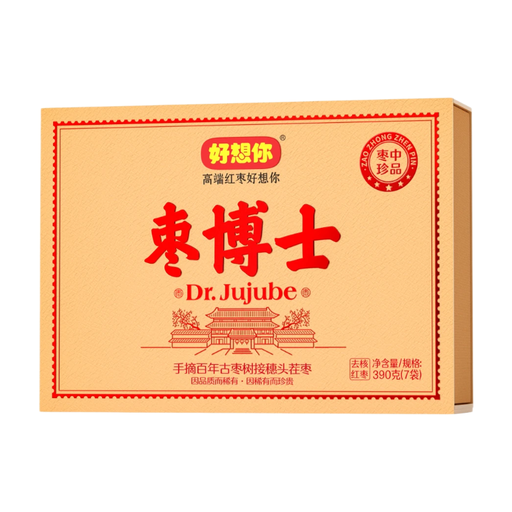
Product information describes the pitted jujubes as ready to eat, making them an option if you’re looking for dried fruit to snack on.
Per 100 g, product information lists 0 g of fat, 50.0 g of sugar and 327 kcal.
 No image available
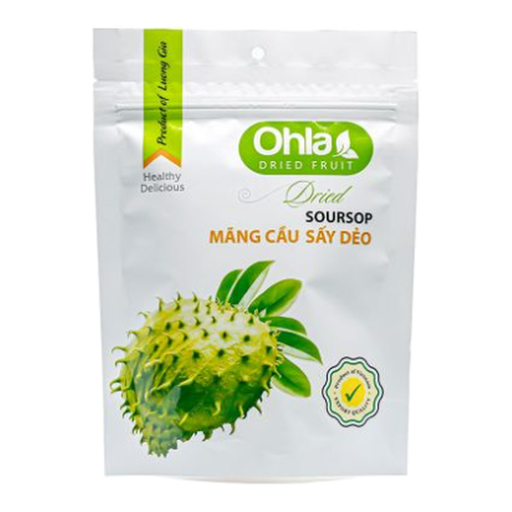
This variety is an option if you’re looking for dried soursop; bear in mind the added sugars listed.
Per 100 g, product information lists 2.21 g of fat, 72.6 g of sugar and 348 kcal.
The ingredients information lists soursop, white sugar, glucose syrup and sodium metabisulphite. After opening, product information says to seal the pack tightly or refrigerate it.
 No image available
Product information describes the pitted jujubes as ready to eat, making them a handy option if you’re looking for a ready-to-eat fruit snack.
Per 100 g, product information lists 0.5 g of fat, 60 g of sugar and 300 kcal.
The ingredients information lists 100% red dates. Store in a cool, dry place and seal the pack tightly after opening.
 No image available
Product information describes the apricots as ready to eat; the pack is resealable.
Per 100 g, product information lists 0 g of fat, 62.0 g of sugar and 311 kcal.
The ingredients information lists apricot, sugar, maltose syrup and sulphites. Store in a cool, dry place.
No. For the ‘low fat’ claim on solid foods, the European Commission sets a maximum of 3 g of fat per 100 g. A low fat content on its own doesn’t show that the product has less fat than another one.
The World Cancer Research Fund recommends no more than 20 g of dried fruit a day. This is dietary advice, not a legal limit; weighing out a portion can help you keep track of how much you’re eating.
No. Despite its low fat content, the Jumbo product examined lists 47 kcal per 20 g portion. Check the energy and fat separately, and bear in mind how much you eat.
Follow the storage advice on your pack. AH Soaked Dried Apricots should be refrigerated at a maximum of 7 °C after opening; for the varieties examined, Jumbo and PLUS say to store in a cool, dry, dark place.
Check the ingredients and warnings on the exact pack. The AH, Jumbo and PLUS apricots examined list sulphites; Jumbo also lists possible traces of nuts, peanuts and sesame. Don’t assume this warning applies to other products.