
Calorie-conscious snackers
You want to know how much energy your portion provides, so you compare like-for-like amounts rather than assuming a small snack is the same as a low-calorie product.


Choose based on the amount you’ll actually serve, and compare the energy content of the exact products per 100 g or for the same serving weight. The five supermarket products compared are above the European threshold for a ‘low energy’ claim. A smaller portion will limit the energy in your snack, but it doesn’t change this product characteristic. Then check the ingredients, allergens, texture and storage instructions.
You want to know how much energy your portion provides, so you compare like-for-like amounts rather than assuming a small snack is the same as a low-calorie product.
You’re looking for dried fruit to share and considering its shape, texture, portion size and how to store it after opening.
You check the ingredients and allergens on the packaging, for example if sulphites or possible traces of nuts matter to you or your guests.
| What to consider | What should you check? | Who is this most relevant to? |
|---|---|---|
| Energy per portion | Compare kcal per 100 g, then weigh out the same amount of each product. | If I want to limit my energy intake while snacking, I weigh my portion and compare products at the same weight. Around 34% of consumers prioritise energy per portion. |
| Sugars and ingredients | Read the ingredients list and check added sugars and total sugars separately. | If you’re looking for a product with no added sugar, you’ll also want to check the total nutritional values. For around 20% of consumers, sugar and other additives are the main considerations when choosing. |
| Serving and storage | Check the product format, pack size and storage instructions after opening. | When putting together a sharing board, I want a suitable texture and packaging that’s easy to store. Around 20% of consumers prioritise ease of serving. |
| Allergens | Check the exact packaging for allergens and precautionary statements about possible traces. | If an allergen matters to me or my guests, the information on the packaging takes priority over differences in energy content. For around 13% of consumers, allergen suitability determines their choice. |
| Packaging and cost | Compare the net weight and current price per kilogram with the amount you’ll use. | If you’re buying dried fruit for a particular occasion, you’ll want to know whether the pack size suits your needs and won’t leave unnecessary leftovers. Pack size and cost are the main considerations for around 13% of consumers. |
The ‘low energy’ claim for solid foods is assessed per 100 g, not per snack. According to the European Commission, the threshold is a maximum of 40 kcal (170 kJ) per 100 g.
First compare the energy per 100 g, then work out how much energy is in the portion you want to serve.
The product information checked doesn’t always use the same portion size: the Jumbo apricots list 20 g, compared with 15 g for the dates and sultanas.
For a fair comparison, weigh out the same amount of each product.
PLUS’s product information lists no added sugars for its dried prunes, but also gives an energy value of 282 kcal per 100 g. These statements answer different questions.
Check the ingredients, total sugars and energy separately on the packaging.
Storage instructions can vary between products. AH Gewelde gedroogde abrikozen should be refrigerated after opening, according to the product information.
Before buying, check the instructions for the exact product you’ve chosen.
One relevant product is AH Gewelde gedroogde abrikozen; the information below applies to this product, not the entire range.
The own-brand products checked include apricots, dates and sultanas, each in a 250 g pack.
Alesto is the product range for dried fruit and nuts; Lidl suggests serving it as a snack.
ALDI offers TRADER JOE’S Zongedroogde abrikozen in a 250 g pack.
PLUS Gedroogde pruimen are sold in a 375 g pack.
Dirk lists, among other products, pitted apricots in a 200 g pack.
These dried fruit options at Joybuy can be compared for a snack board by portion size, energy per 100 g and ingredients. They’re different products from the five supermarket options covered above.
 No image available
A good choice if you want to serve chewy dried guava and weigh out your portion.
The product information lists 308 kcal per 100 g, 95% guava, sugar and a preservative.
 No image available
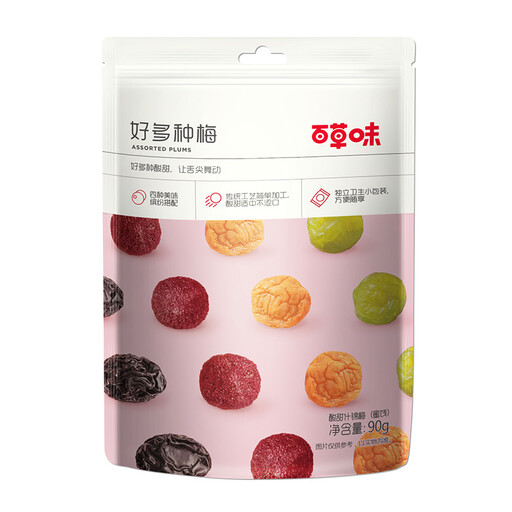
A shareable pack of sweet-and-sour plum flavours could be a good fit when you want to serve a small amount.
The product information lists 68 kcal per 100 g and includes sugar, salt and sweeteners as ingredients.
 No image available
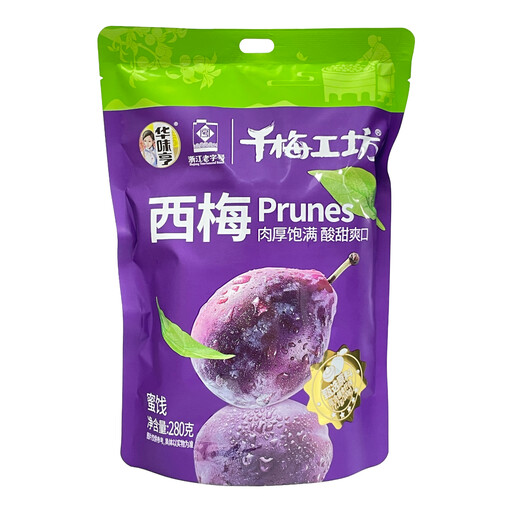
A good choice if you’re looking for a soft, chewy plum snack that’s ready to serve.
The product information lists 285 kcal per 100 g. The ingredients list includes sugar, fructose, salt and additives.
 No image available
These soft dried apricots are described as ready to eat and come in a resealable pack.
The product information lists 311 kcal per 100 g and sulphites.
 No image available
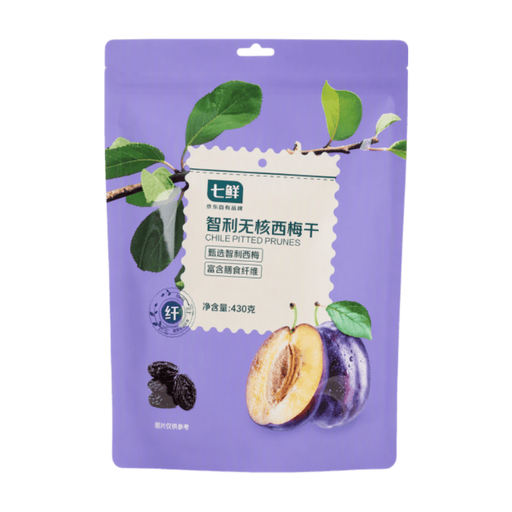
The pitted prunes are described as ready to eat and can also be used as a topping.
The product information lists 283 kcal and 0 g fat per 100 g. The packaging recommends consuming the contents immediately after opening.
For solid foods, the European Commission sets a maximum of 40 kcal (170 kJ) per 100 g for a ‘low energy’ claim. The five supermarket products compared are above this threshold. A smaller portion doesn’t change the threshold for the claim, so compare the energy per 100 g and weigh the amount you serve.
The Netherlands Nutrition Centre generally recommends a maximum of 20 g of dried fruit per day. You can use this as a guide when weighing your portion, and count any dried fruit you’ve already eaten. This is dietary advice, not a legal portion limit.
No, this statement alone doesn’t tell you how much energy the product provides. PLUS’s product information lists no added sugars for its dried prunes, but also gives an energy value of 282 kcal per 100 g. So check both the ingredients and the nutritional values.
Follow the storage instructions for the exact product. According to the product information, AH Gewelde gedroogde abrikozen should be refrigerated after opening at a maximum of 7 °C. The Jumbo products checked and the PLUS prunes should be stored in a cool, dry and dark place; don’t automatically apply one product’s instructions to other varieties.
According to the Netherlands Food and Consumer Product Safety Authority, allergen information for pre-packed foods must appear on the label. Sulphites are among the allergens that must be listed. Also check any product-specific warnings about possible traces if allergens matter to you or your guests.