What should you look for when buying?
First compare products at the same weight, then decide on the amount for lunch, and finally check the ingredients, storage instructions and packaging.
| What to consider |
What should you check? |
Who is this important for? |
| Energy per portion |
Compare kcal per 100 g, then calculate the amount based on the portion’s weight. A product isn’t ‘low calorie’ simply because you pack a small amount. |
If I want to pack a considered amount, I compare the energy values at the same weight. Around 36% of consumers prioritise energy per portion. |
| Ingredients |
Read the ingredients and nutrition table, including total and added sugars and any allergens. |
If I’m mainly checking ingredients, sugars or a relevant allergen, I want to be able to assess the full composition. Around 29% of consumers prioritise ingredients above all else. |
| Storage and eating |
Check the instructions for after opening and any warnings about leftover stones; make sure the product is practical to take to school. |
If I prepare lunch in advance, the storage instructions and ease of eating at school need to suit how we use the product. Around 21% of consumers prioritise these practical aspects of lunch. |
| Packaging and use |
Compare the pack size, current price per kilogram and storage instructions, and consider whether you’ll use all the contents. |
If I choose a pack for repeated use, I want to avoid buying more than we’ll use. Around 14% of consumers make packaging and cost their main consideration. |
Dried fruit at Joybuy
These product choices are dried fruit that can be added to a lunch. Compare the energy value on the label per 100 g, and remember that a smaller portion isn’t the same as a ‘low calorie’ claim.
 No image available
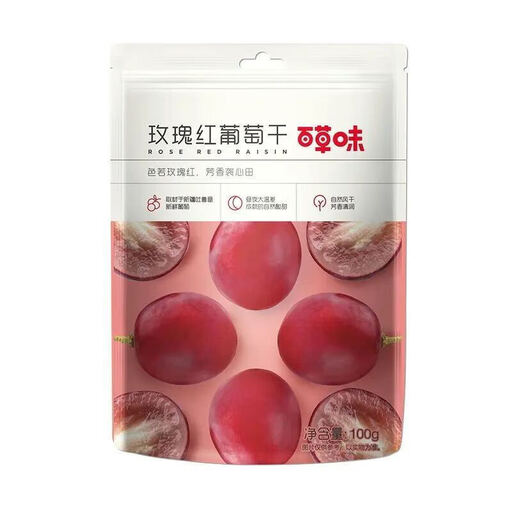
Be&Cheery Rose Red raisins 100 g
The product information lists raisins, describes them as a ready-to-eat snack and recommends storing them in a cool, dry place.
Energy on the label: 330 kcal per 100 g.
View at Joybuy
 No image available
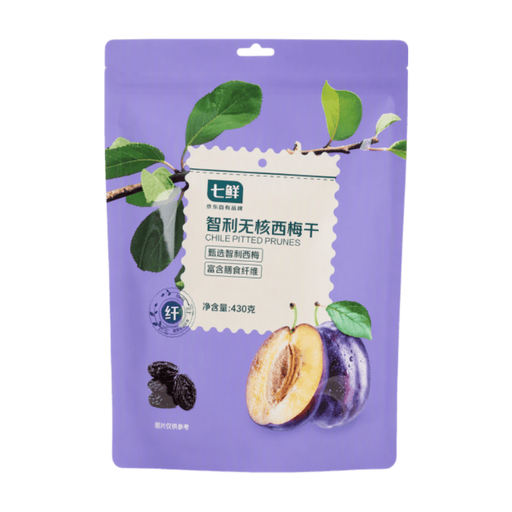
7FRESH Pitted prunes 430 g
The product information describes pitted prunes that are ready to eat, including as a topping.
Energy on the label: 283 kcal per 100 g.
View at Joybuy
 No image available
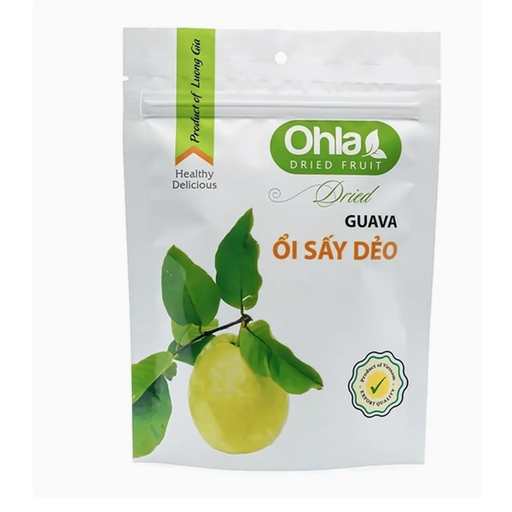
OHLA Dried guava 180 g
The product information lists guava as the main ingredient and describes the product as a snack.
Energy on the label: 308 kcal per 100 g. The ingredients information lists 95% guava, sugar and a preservative.
View at Joybuy
 No image available
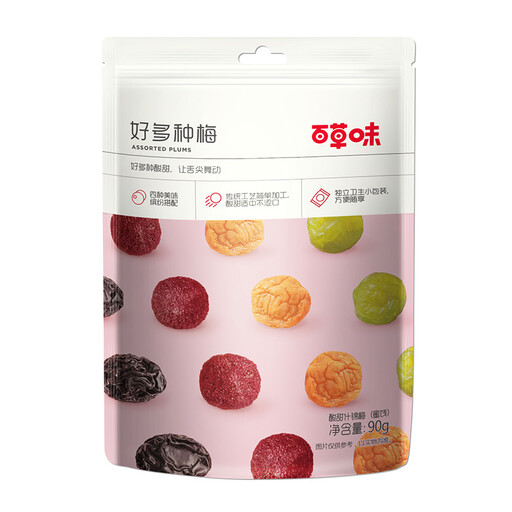
Be&Cheery Various dried plums 90 g
The product information describes a portable pack and a ready-to-eat product.
Energy on the label: 68 kcal per 100 g. The ingredients information lists white sugar and sweeteners; the salt content is 3.0 g per 100 g.
View at Joybuy
Frequently asked questions
Can a small portion of dried fruit be described as low in calories?
No, not simply because the portion is small. For solid foods, the European Commission sets a maximum of 40 kcal (170 kJ) per 100 g for a ‘low calorie’ claim; the portion size doesn’t change that threshold.
How do I compare the energy in dried fruit for lunch?
First compare kcal per 100 g, then calculate the value for the amount you plan to pack. A portion used for a calculation isn’t general dietary advice for a child; don’t use an adult reference intake as a personal target.
Should I make school lunch lower in calories if my primary-school child is overweight?
Don’t put a child on a diet without professional guidance. If your child is overweight or you’re unsure what to do, the Netherlands Nutrition Centre advises speaking to a professional such as your GP, a school nurse or a school doctor. This product choice doesn’t set a personal calorie target.
Can I store every opened pack of dried fruit outside the fridge?
Follow the instructions for the exact product. The AH Soft Dried Apricots checked need to be refrigerated after opening at a maximum of 7°C; the Jumbo and PLUS apricots checked should be stored in a cool, dry, dark place.
What should I look for when checking allergens on the label?
Check the ingredients list and allergen information on the current packaging. Sulphites are listed for the apricot products checked; the Jumbo information also mentions possible traces of nuts, peanuts and sesame. The Netherlands Food and Consumer Product Safety Authority explains how allergens are distinguished on labels.


