What should you look for when choosing?
Start with what your child needs to avoid. Then check the ingredients, portion size and how you’ll use the product at home and at school.
The percentages show the share of consumers for whom each purchase priority is most important in this guide.
| What to consider |
What to look for |
Who is this important for? |
| Suitability for a specific diet |
Check the exact variety and the relevant dietary label; assess milk allergy separately from lactose intolerance. |
If gluten, lactose or a particular allergen needs to be avoided, you’ll want to check the information for that exact variety. Around 39% of consumers prioritise suitability for a specific diet. |
| Sulphites |
Read both the ingredients and the allergen information; don’t assume the product is sulphite-free. |
If you’re sensitive to sulphites, choose a product that fits the agreed avoidance diet. Around 23% of consumers give avoiding sulphites top priority. |
| Ingredients and portion size |
Compare added sugar and total sugars separately, if that information is available; decide for yourself how much to pack. |
If you’re looking for a small addition to lunch and want to take the ingredients into account, the amount per portion matters. Around 23% of consumers prioritise ingredients and a small portion. |
| Packaging and storage |
Check the pack size and storage instructions; if your child has an allergy, consider how to store and transport the product separately too. |
If you’re portioning it at home for several lunches, you’ll want to know what that involves in practice. Around 15% of consumers give packaging convenience top priority. |
Dried fruit at Joybuy
These products are dried or freeze-dried fruit options to add to lunch. If you’re choosing for a particular diet, always check the latest ingredients and allergen information on the specific pack; a product claim is not a general guarantee for every allergy.
 No image available
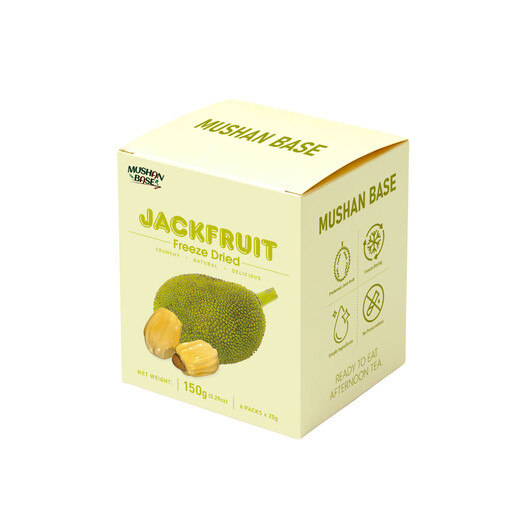
MUSHAN BASE freeze-dried jackfruit 150 g (25 g × 6)
The product information suggests it for lunchboxes; if your child has a dietary requirement, check the latest information on the packaging.
According to the product information, it consists of 100% jackfruit and contains no added sugar. The pack contains six 25 g sachets.
The product information makes an allergen claim; don’t take this as a general guarantee that it is free from all allergens. Choose according to the specific dietary need.
View at Joybuy
 No image available
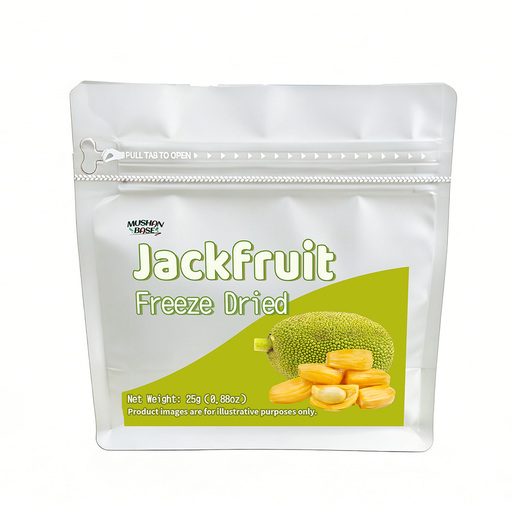
MUSHAN BASE freeze-dried jackfruit 25 g
The product information describes this as a ready-to-eat snack; if your child has a dietary requirement, check the latest information on the packaging.
According to the product information, it consists of 100% jackfruit and contains no added sugar. The pack is 25 g.
The product information makes an allergen claim; don’t take this as a general guarantee that it is free from all allergens. Choose according to the specific dietary need.
View at Joybuy
 No image available
OHLA dried guava 180 g
The product name specifies dried guava in a 180 g pack. Before choosing it for a specific dietary need, check the ingredients and allergen information on the packaging.
View at Joybuy
 No image available
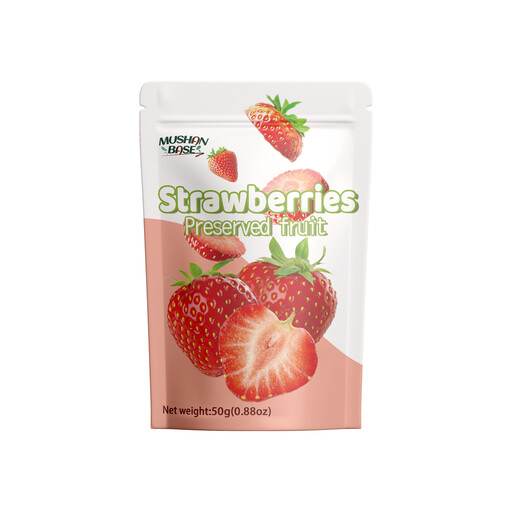
MUSHAN BASE dried strawberry slices 50 g
The product name specifies dried strawberry slices in a 50 g pack. Before choosing it for a specific dietary need, check the ingredients and allergen information on the packaging.
View at Joybuy
Frequently asked questions
Does lactose-free also mean a product is suitable for someone with a milk allergy?
No. Lactose-free does not mean that a product is suitable for someone with a cow’s milk allergy. Lactose intolerance concerns milk sugar; a cow’s milk allergy concerns cow’s milk protein. So check the relevant ingredients and allergen information, and don’t base your choice on the lactose-free label alone.
What does “may contain” mean on a label?
“May contain” warns that an allergen could be present unintentionally. From 2026, the Netherlands Food and Consumer Product Safety Authority will oversee the rules for allergen information on prepacked products. Don’t ignore a warning about an allergen your child needs to avoid; if you’re unsure, discuss the product choice with the school and the healthcare professional involved.
Should all schoolchildren eat unsulphured raisins?
No. The Netherlands Nutrition Centre says that children can eat sulphured raisins; the exception is people who are sensitive to sulphites. If your child needs to avoid sulphites, check the information for the specific variety.
How can you agree a packed lunch for a child with a food allergy with their school?
Agree with the school which products suit your child’s dietary needs and how cross-contamination will be prevented. VieCuri Medical Centre recommends, among other things, making arrangements for packed food and treats, and having a suitable protocol for the child concerned.
How large should a portion of raisins be for a child?
The Netherlands Nutrition Centre recommends a small portion, but does not give one universal amount for every schoolchild. So don’t automatically treat the contents of a bag as one portion; choose an amount that suits the lunch and the arrangements for your child.


