What should you look for when choosing?
Plain dried fruit
A good fit if you’re looking for a small fruit portion and will get protein from the rest of the lunch.
Bear in mind the small amount of protein in a school-lunch portion and the sugar content of dried fruit.
Fruit with a separate source of protein
A good fit if you want to include both fruit and a separate source of protein in the lunch.
Bear in mind that perishable additions, such as dairy products, need to be kept cool.
Fruit and nut mix
A good fit if nuts are suitable for your child’s allergies and comply with the school’s rules.
Bear in mind that you need to check the full label; containing nuts doesn’t prove that a mix can be described as ‘high in protein’.
When choosing dried fruit for a school lunch, consider the portion, ingredients and practical requirements. The nutritional value per 100 grams isn’t the same as the amount provided by what you pack in the lunchbox.
| What to consider |
What to look for |
Who is this important for? |
| Protein in the portion |
Compare protein per 100 grams with the amount you pack, and assess nutrition claims separately. |
If you want to know what the fruit actually adds to the lunch, look at the portion rather than just the figures per 100 grams. Around 36% of consumers prioritise protein content. |
| Fruit and portion size |
Read the ingredients and total sugars; don’t assume that ‘no added sugar’ means low in total sugars. |
If you’re mainly looking for a small fruit portion, both the ingredients and the amount you pack matter. Around 29% of consumers prioritise this choice of fruit and portion size. |
| Allergens and storage |
Check the allergen information for the exact product and follow the storage instructions and school rules. |
If there’s a known allergy, sensitivity or relevant storage restriction, you’ll want to check the packaging carefully. Around 21% of consumers prioritise these labelling and storage considerations. |
| Packaging and portioning |
Choose a pack size that suits how you’ll use the product; the serving size on the label isn’t automatically a recommendation for a child. |
If you pack the product regularly, ease of storage and portioning can be a deciding factor. Around 14% of consumers prioritise everyday use and packaging. |
Dried fruit at Joybuy
These Joybuy products are dried fruit options for adding fruit to a school lunch. Compare the nutritional information and ingredients for the specific product; the protein values listed don’t automatically make a product ‘high in protein’.
 No image available
PHILIPPINE BRAND dried mango, 100 g
The dried mango described can be eaten as a fruit portion.
The nutritional table lists 2 grams of protein per 100 grams.
The ingredients information lists sulphites; check the storage instructions in the product information.
Joybuy
 No image available
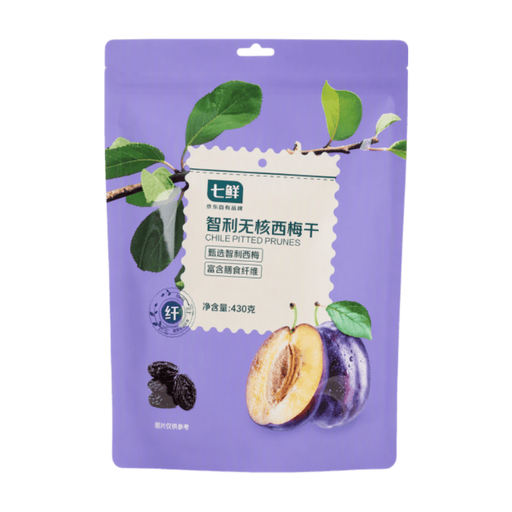
7FRESH pitted prunes, 430 g
The product description says they can be eaten straight from the pack and used in lunchboxes.
The nutritional table lists 2.2 grams of protein per 100 grams.
Joybuy
 No image available
OHLA dried guava, 180 g
The dried guava described can be eaten as a fruit portion.
The nutritional table lists 1.27 grams of protein per 100 grams.
The ingredients list includes sugar and a preservative.
Joybuy
 No image available
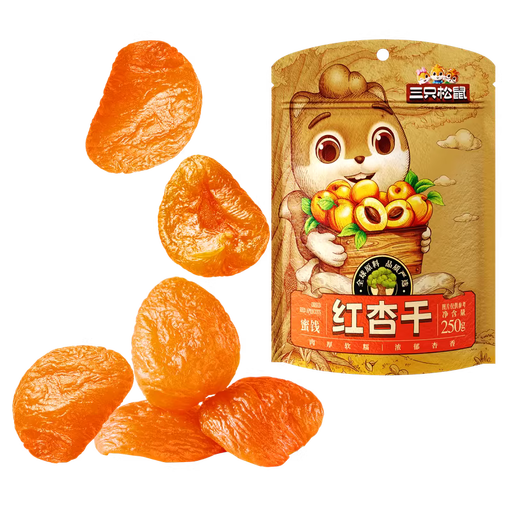
Three Squirrels dried red apricots, 250 g
The product description says they can be eaten straight from the pack and used in lunchboxes.
The nutritional table lists 1.1 grams of protein per 100 grams.
The ingredients list includes sugar, maltose syrup and sulphites.
Joybuy
 No image available
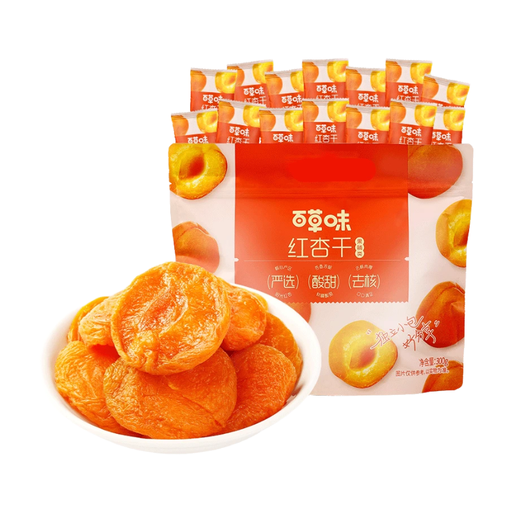
Be&Cheery dried red apricots, 300 g
The product description says they can be enjoyed as a snack and packed in lunchboxes.
The nutritional table lists 0.9 grams of protein per 100 grams.
The ingredients list includes sugar, maltose syrup and sulphites.
Joybuy
Frequently asked questions
Is a 20- or 50-gram serving on the label automatically suitable for a child?
No. Jumbo uses 20 grams and Albert Heijn 50 grams as the serving size on the labels for the apricots reviewed; these aren’t specific recommendations for a school-age child. Voedingscentrum recommends no more than a handful of dried fruit and advises serving a varied school lunch.
Can a product be called ‘high in protein’ as soon as it contains protein?
No. Under European Union rules, a nutrition claim can only be used if a product meets the official definition and the relevant conditions. Listing the number of grams of protein alone doesn’t show that a product meets the requirements for that claim.
What should I check if my child has a known allergy or sensitivity to sulphites?
Check the allergen information on the packaging for the exact product. The Albert Heijn, Jumbo and PLUS apricot products reviewed list sulphites; Jumbo also states that the product may contain nuts, peanuts and sesame. The Netherlands Food and Consumer Product Safety Authority explains that relevant allergens must be clearly stated on the label.
How should I store apricots after opening?
Follow the instructions for the product you’ve chosen. AH Soaked Dried Apricots should be refrigerated after opening at no more than 7°C. For the product reviewed, Jumbo gives different storage instructions: keep in a cool, dry, dark place. So don’t automatically apply the instructions for one product to all dried fruit.
Can I pack yoghurt in a lunch on a warm school day?
That depends on whether you can store the lunch properly. Voedingscentrum’s school-lunch guidance recommends using a small cool bag with an ice pack when temperatures are high, and highlights perishable foods such as dairy products.


