
Students looking for more protein
You’re looking for something to have around school or sport and want to know how much protein a serving actually provides. Compare the whole lunch, not just a claim on a snack packet.


Dried fruit works best as a small fruit addition to a packed lunch. For example, the Jumbo apricots checked provide 0.6 g of protein per 20 g serving, and the Netherlands Nutrition Centre gives the same amount for a 20 g handful of raisins. If you want more protein in your lunch, pair the fruit with a suitable source of protein, such as milk, eggs, pulses or unsalted nuts. According to Albert Heijn’s product information, its Cranberry Mix provides 4 g of protein per 25 g serving, but the mix also contains sweetened cranberries and nuts. This nutritional value alone does not automatically make it suitable to describe as ‘high in protein’.
You’re looking for something to have around school or sport and want to know how much protein a serving actually provides. Compare the whole lunch, not just a claim on a snack packet.
You want to pack a serving of fruit and decide whether whole dried fruit or a mix is right for your lunch. Portion size, packaging and storage instructions can help you choose.
For example, you may check for sulphites, nuts or the possible presence of other allergens. The information on the packaging is the definitive guide for the specific product.
For a protein-focused school lunch, check the amount per serving, the ingredients and how to pack the fruit safely and conveniently.
| What to consider | What should you look for? | Who is this important for? |
|---|---|---|
| Protein per serving | Compare the amount of protein with the serving you’ll actually pack. | If I’m adding fruit to make my lunch provide more protein, I want to know what the serving contributes. Around 20% of consumers put protein content first. |
| Allergens | Read the ingredients and warnings about allergens present or potentially present. | If I have a known allergy, I want to check the full product information before packing anything. Around 20% of consumers give allergen suitability their highest priority. |
| Taste and portability | Compare the type of fruit, the ingredients in mixes and the storage instructions. | If I’m looking for something enjoyable to eat and easy to take with me, I consider the type of fruit and packaging. Around 20% of consumers look at these first. |
| Portion size and sugars | Measure out your serving and distinguish total sugars from added sugars. | I want to pack a measured portion without accidentally eating more than intended. Around 20% of consumers make portion control their main consideration. |
| Pack size | Check the weight, storage instructions and whether you can reseal the packaging securely after opening. | If I want to pack fruit regularly, the amount in the bag needs to suit how I use and store it. Around 20% of consumers focus on suitable packaging and portion sizes. |
The 20 g serving of Jumbo dried apricots that was checked provides 0.6 g of protein. Dried fruit therefore does not automatically replace the protein source in a lunch.
Compare the amount of protein per serving and, if needed, add a suitable separate source of protein.
PLUS lists 0 g of added sugars for the apricots that were checked, but they also contain 53.4 g of total sugars per 100 g.
Check both values and measure out your serving; don’t increase it just to get more protein.
AH Cranberry Mix contains sweetened cranberries and several types of nuts. Its ingredients and allergens therefore differ from those of dried fruit on its own.
Check the full ingredients and only choose the mix if they suit you and meet any school requirements.
Including a shelf-stable item does not automatically mean a lunch with perishable dairy can be kept out of the fridge.
Follow the refrigeration advice and product instructions for perishable additions. The Netherlands Nutrition Centre advises storing perishable products at 4 °C and discarding them if they have been out of the fridge for more than two hours.
A lunch containing perishable ingredients therefore needs more care when being transported than one containing only dried fruit.
Relevant for dried fruit sold on its own and fruit and nut mixes. AH Cranberry Mix is one example of a mix.
Jumbo’s pitted dried apricots are an example of a fruit addition that can be portioned out individually.
Lidl names Alesto as its own brand for products including nuts and dried fruit, such as apricots.
ALDI product pages show Trader Joe’s raisins and sun-dried apricots as examples of dried fruit sold on its own.
PLUS Dried Apricots are an example of dried fruit in a stand-up pouch.
The category page lists apricots, figs, prunes and dates, among other options, so you can browse different types of fruit.
These fruit and fruit and nut products are options to consider as a small addition to a lunch; check the protein content, serving size and ingredients for each product.
 No image available
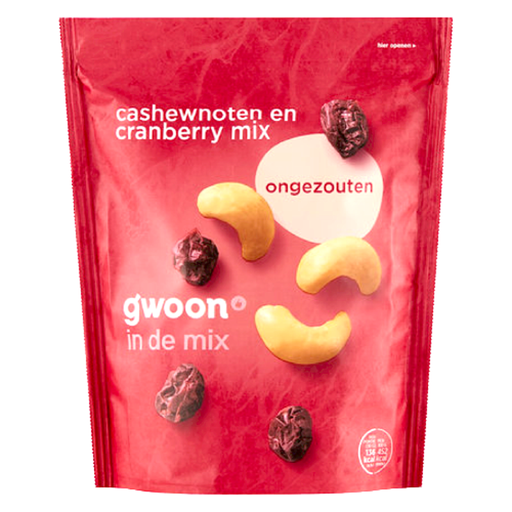
A fruit and nut mix to consider if you want to pack fruit and nuts together; check that the ingredients suit you.
The mix described consists of 50% cashew nuts and 50% sweetened dried cranberries. The listed protein content is 10.9 g per 100 g; this figure alone does not confirm that the product meets the criteria for a ‘high-protein’ claim.
Contains cashew nuts and may contain traces of peanuts and other nuts. The cranberries are sweetened.
 No image available
This dried guava is a fruit addition; pair it with another source of protein if protein is your main priority for lunch.
The listed protein content is 1.27 g per 100 g.
Contains added sugar and a preservative.
 No image available
The individually wrapped mango pieces are an option if you want to pack a measured portion of fruit.
The product description lists 75% mango and 2 g of protein per 100 g.
Contains sulphites and added sugar.
 No image available
Dried apricots can be packed as a fruit addition in a lunchbox; check how much protein a serving provides.
The listed protein content is 1.1 g per 100 g.
Contains sulphites.
 No image available
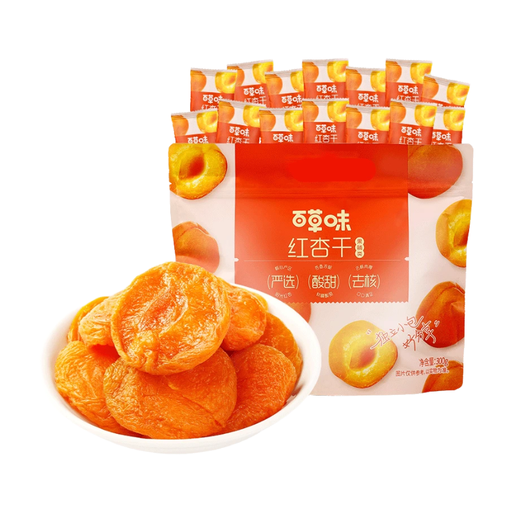
These ready-to-eat dried apricots are a fruit addition for a lunchbox; pair them with another source of protein if you want your lunch to provide more protein.
The listed protein content is 0.9 g per 100 g.
Contains sulphites and added sugar.
No. According to the Netherlands Nutrition Centre, extra food during or after exercise is not always necessary. The centre considers an hour of exercise a day part of a child’s normal activity pattern; if they are hungrier, it suggests a wholemeal sandwich with a filling. This is general guidance, not a personal plan for intensive competitive sport.
If you pack them together, bear in mind that perishable dairy needs to be kept cold. The Netherlands Nutrition Centre advises storing perishable products at 4 °C and discarding them if they have been out of the fridge for more than two hours; the same advice does not automatically apply to dried fruit on its own, which is shelf-stable.
Check the ingredients list and allergen information on the packaging of the specific product. According to the NVWA, the 14 specified allergens must be listed on the label and clearly distinguishable in the ingredients list. For example, check for sulphites, nuts, peanuts, sesame or milk if these are relevant to you.
No. The Netherlands Nutrition Centre presents a maximum of 20 g per day as dietary advice, not a legal limit on purchases. Don’t treat it as a complete personal diet plan.
Follow the storage instructions on the packaging. The checked Jumbo and PLUS apricot products and AH Cranberry Mix are labelled to be stored in a cool, dry, dark place; AH also advises resealing the packaging securely after use.