Who is this guide for?

Parents who need to avoid an allergen

You’re looking for a school snack that’s suitable for your child’s diagnosed allergy or coeliac disease. The Netherlands Food and Consumer Product Safety Authority (NVWA) states that allergen information must appear on the label of prepacked products. Check for warnings about possible cross-contamination too.

Shoppers who are sensitive to sulphites

You want to choose dried fruit with extra care around sulphites. The Netherlands Nutrition Centre describes sulphites as a possible preservative. This means you need to check for more than just allergens such as nuts, milk or gluten.

Parents looking for small portions

You’re looking for a practical school portion and want to distinguish dried fruit with added sugar from other varieties. The Netherlands Nutrition Centre gives a small box of raisins as an example of a small treat, but that alone doesn’t mean it’s suitable for someone with an allergy.

What should you look for in dried fruit for school?

Start with the dietary restriction that applies to you, then compare portion size and how easy the packaging is to use.

What to consider What to look for Who this matters to
Specific allergen Check the ingredients and any warnings about possible cross-contamination on the exact, current packaging. If I need to avoid a specific allergen for my child, I check both parts of the label. Around 42% of consumers put allergen avoidance at the top of their list when shopping.
Sulphites Check for sulphites, sulphur dioxide and preservatives E220 to E228. If I’m sensitive to sulphites, I check for preservatives as well as other allergens. Around 25% of consumers prioritise avoiding sulphites.
Sugar and portion size Check the ingredients for added sugar or syrup, and decide how much to pack. If I want to pack a small portion for school, I check for added sugar and the quantity in the packet. Around 17% of consumers prioritise sugar and portion size.
Packaging and storage Compare the net weight with the portions you want to make, and follow the storage instructions on the packaging. For regular school days, I look for packaging that’s easy to portion out at home. Around 16% of consumers prioritise everyday packaging convenience.

Common mistakes when choosing

  • Assuming fruit is suitable for every allergy

    The type of fruit alone won’t tell you whether a product is suitable for a specific allergy or coeliac disease. The ingredients and any warnings about cross-contamination matter too.

    Match your choice to the allergen you need to avoid, and read the label on the exact product packaging.

  • Checking only for other allergens if you’re sensitive to sulphites

    Sulphites can be present separately as a preservative. A seller’s listing for Jumbo dried apricots mentions E220, but this doesn’t confirm the ingredients of every current pack.

    If you need to avoid sulphites, check the ingredients and allergen information, including for sulphur dioxide and E220 to E228.

  • Assuming a label you read before is still accurate

    Albert Heijn warns that ingredients and allergy information can change, so details from an earlier pack may not apply to a new one.

    Read the packaging for the exact variety again every time you buy it.

    If a product isn’t suitable for the dietary restriction, you may need to arrange a different snack.

  • Treating a large pack as one school portion

    A large pack doesn’t determine how much you want to send in for each school day. The Netherlands Nutrition Centre also distinguishes between dried fruit with added sugar and other fruit choices.

    Decide on the portion in advance and check the label for added sugar.

Supermarket brands to consider

Albert Heijn

The range includes AH Soaked Dried Apricots.

  • Albert Heijn’s product page confirms the product identity.
  • Albert Heijn advises checking the packaging, as ingredients and allergy information can change.

Jumbo

Jumbo lists various types of dried fruit, including sultanas in several pack sizes.

  • You can compare the products by fruit type and pack size.
  • An external seller’s listing mentioning E220 in Jumbo apricots doesn’t confirm the ingredients of every current pack.

Lidl

Lidl’s Alesto range includes dried mango strips for home, school or on the go.

  • The suggested uses for school and on the go come from Lidl’s own information.
  • The product range or suggested use doesn’t confirm that a variety is suitable for a specific allergy.

ALDI

ALDI Netherlands lists Trader Joe’s raisins in a 500 g pack.

  • The product page confirms the product name and pack size.
  • The product name and pack size don’t guarantee that it’s suitable for a specific dietary restriction.

PLUS

PLUS lists its own-brand Sultana raisins in a 375 g stand-up pouch.

  • The product page describes the packaging and options for delivery or collection.
  • The packaging doesn’t tell you whether the product is suitable for your allergy; check the information for the exact variety.

Dirk

Dirk has a product page for raisins.

  • Raisins are one product type to include in your comparison.
  • A general product page doesn’t tell you whether the current packaging is suitable for your dietary restriction.

Joybuy products for a small fruit snack

These Joybuy products are freeze-dried jackfruit in a small pack or individual portions for on the go. Check the current ingredients and allergen information on the packaging to make sure they suit your dietary needs.
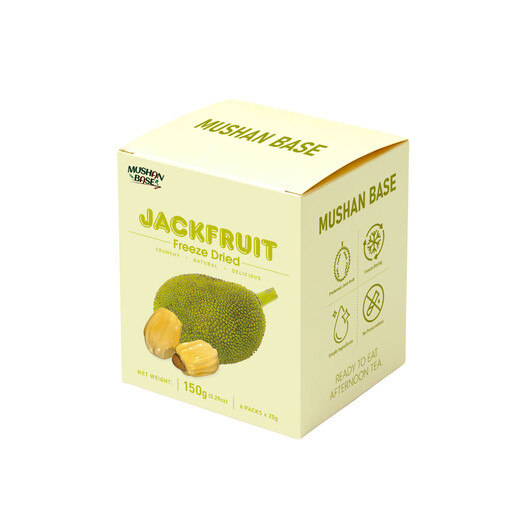
MUSHAN BASE freeze-dried jackfruit, 150g (25g x 6)

MUSHAN BASE freeze-dried jackfruit 150g (25g x 6)

The individual packets are designed to take with you, for example in a lunchbox.

The multipack contains six 25 g packets. The product listing names jackfruit as the only ingredient and doesn’t list any allergens; check the current packaging before choosing this product.

Joybuy
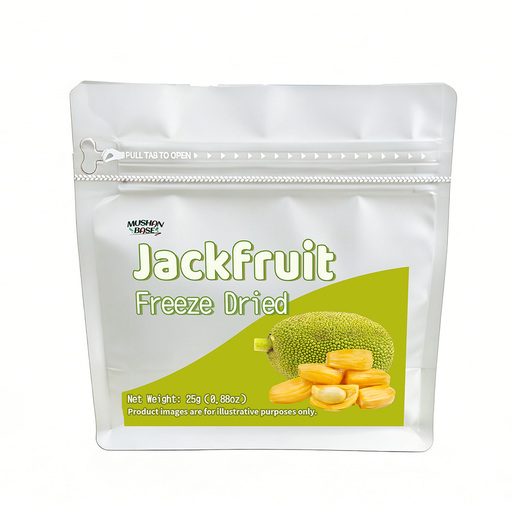
MUSHAN BASE freeze-dried jackfruit 25g

MUSHAN BASE freeze-dried jackfruit 25g

The small pack could be a good choice if you want to take an individual snack portion with you.

The pack contains 25 g. The product listing names jackfruit as the only ingredient and doesn’t list any allergens; check the current packaging before choosing this product.

Joybuy

Frequently asked questions

Does ‘may contain’ mean the allergen has been added as an ingredient?

No. This warning refers to the possible unintentional presence of an allergen due to cross-contamination. Whether you can eat the product depends on the allergy or coeliac disease and your individual circumstances. If you’re unsure, speak to a doctor or dietitian.

Do allergens have to be listed on the label of prepacked dried fruit?

Yes. The NVWA states that allergen information must appear on the label of prepacked products. Also check for warnings about possible cross-contamination and the information for the exact product variety.

Is sulphite sensitivity the same as a food allergy?

No. The Netherlands Nutrition Centre describes sulphite sensitivity as an intolerance. Sulphites can be used as preservatives and are listed as E220 to E228. If you have symptoms, don’t experiment by cutting products out or trying them again. Speak to a doctor or dietitian.

How do I choose a small portion of dried fruit for school?

Decide how much you want to pack and check the ingredients for added sugar. The Netherlands Nutrition Centre gives a small box of raisins as an example of a small treat. If you have an allergy, always check the ingredients and warnings too.

What labelling rules for cross-contamination warnings apply from 2026?

According to the NVWA, new rules for warnings about the unintentional presence of allergens apply from 1 January 2026. The NVWA says the production date is the key factor: stock packed earlier may still be sold afterwards, provided the food is not unsafe. So the purchase date alone won’t tell you when a pack was produced.
