For a protein-conscious birthday get-together, dried fruit is best thought of as one part of the fruit selection. Check the protein content of the portion you serve, and don’t assume the fruit has recovery benefits. The Netherlands Nutrition Centre gives 0.4 grams of protein per 9-gram dried apricot as a general example; for a specific product, check the nutritional information on the packaging. If you’d like to offer more protein, assess a separate protein source or a fruit-and-nut combination by looking at its full nutritional information.
Who is this buying guide for?
Sporty, protein-conscious shoppers
You want to know how much protein you’ll get from the portion on your party table, without automatically treating dried fruit as a recovery product. The Netherlands Nutrition Centre notes that most people who do sport don’t need special protein shakes or bars.
Hosts putting together a mixed party spread
You’re looking for fruit you can portion out or combine, and want to know whether a snack pot contains only dried fruit or other ingredients too, such as nuts and fresh fruit. Albert Heijn, for example, lists a snack pot with fresh blueberries, dried mango and cashew nuts.
Shoppers who check the ingredients first
You pay attention to ingredients, added sugar and allergens that may matter to your guests. The Netherlands Food and Consumer Product Safety Authority says that allergen information for prepacked products is shown on the label.
What should you look for when choosing?
Start by checking the protein content of the portion you actually plan to serve. Then compare the ingredients, portion size and packaging; a mix with nuts is a different product from plain dried fruit.
| What to consider |
What should you check? |
Who is this important for? |
| Protein per portion |
Check the protein content of the exact product and calculate it for the portion you’ll serve. The Netherlands Nutrition Centre gives 0.4 grams of protein per 9-gram dried apricot as a general example. |
If I’m choosing fruit with sport in mind, I want to know how much protein my portion actually contains. Around 42% of consumers say protein content is their main consideration. |
| Sugar and portion size |
Check the ingredients list for added sugar and decide in advance how many grams to serve per person. The Netherlands Nutrition Centre recommends a maximum of 20 grams of dried fruit a day; this is dietary advice, not a legal purchasing limit. |
If I want to keep party portions manageable, I look at both the ingredients and how much I put out. Around 25% of consumers prioritise sugar and portion size. |
| Ingredients and allergens |
Check the allergen information on the current packaging and look at the ingredients of each mix separately. The Netherlands Food and Consumer Product Safety Authority says that allergen information for prepacked products must appear on the label. |
If guests need to avoid certain ingredients, I want to know exactly what’s in each bowl beforehand. Around 17% of consumers prioritise suitable ingredients and allergens. |
| Quantity and serving |
Make sure the net weight suits the number of portions you need, and follow the storage instructions on the packaging you choose. Also check whether you’re buying plain dried fruit or a mixed product. |
If I want to fill several bowls, I look for a pack that suits the amount I plan to serve. Around 16% of consumers focus mainly on quantity and ease of serving. |
Common pitfalls
-
Choosing fruit as a recovery product without checking the portion
The Netherlands Nutrition Centre gives 0.4 grams of protein per 9-gram dried apricot as a general example. This isn’t the label value for every supermarket product, nor does it prove that the fruit helps with recovery.
Compare the protein content of the exact product with the weight you’ll actually serve. Consider nutrition claims separately from a standard nutritional declaration.
-
Treating a fruit-and-nut snack pot as plain dried fruit
A mixed product may also contain fresh fruit and nuts. Its ingredients and relevant allergens will therefore differ from those of a single-fruit product.
Compare products of the same type, and check the full ingredients and allergen information for any mix.
-
Confusing a large pack with a suitable portion
The pack size doesn’t tell you how much each guest will eat. A large pack could mean you buy more than you need for the portions you’ve planned.
First decide how much you want to serve, then choose a net weight to suit.
Relevant supermarket brands for comparison
Albert Heijn
Relevant for soaked dried apricots and a mixed snack pot with fresh blueberries, dried mango and cashew nuts.
- The product listings distinguish between a fruit product and a mixed product.
- A fruit-and-nut snack pot isn’t plain dried fruit; check the nutritional information for the exact product.
Jumbo
Relevant for own-brand sultanas in different pack sizes and 250-gram pitted dried apricots.
- The range information lists sultanas in several pack sizes.
- A larger pack doesn’t mean a product contains more protein; check the nutritional information for the specific product.
Lidl
Lidl presents Alesto as a range that includes nuts, dried fruit and snacks for sharing.
- The retailer lists apricots in the range and also promotes it for sharing occasions.
- This positioning doesn’t prove that the entire range is high in protein.
ALDI
The Dutch ALDI website lists TRADER JOE'S Sun-Dried Apricots, 250 grams.
- The retailer describes these specific apricots as soft.
- This description says nothing about their protein content or any recovery benefits.
PLUS
PLUS lists dried apricots in a 375-gram stand-up pouch.
- The product listing specifies the product type and packaging.
- PLUS recommends checking the current packaging, as product information can change.
Dirk
Dirk lists pitted apricots in its dried fruit and nuts range.
- The product listing confirms the product type.
- The listing says nothing about a protein benefit or whether it’s an own-brand product.
Joybuy products for sharing and mixing with fruit
This selection includes dried fruit, mixes with nuts and a snack pack. Some products are mixed rather than plain dried fruit, so compare the nutritional information and ingredients for each product.
 No image available
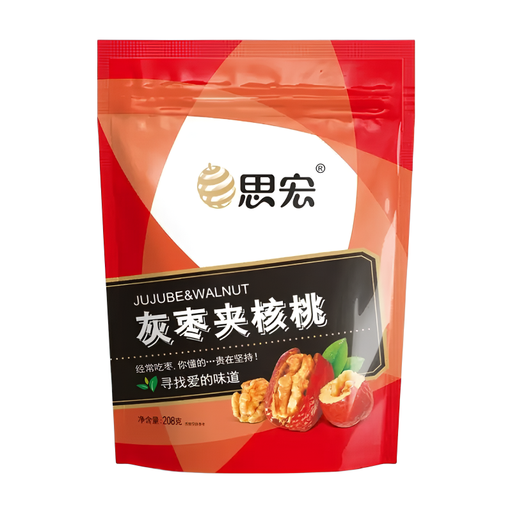
Sihong Grey Dates with Walnuts, 208 g
A combination of dates and walnuts for anyone who wants to serve fruit with nuts.
The product information lists 3.4 g of protein per 100 g.
Contains walnuts; bear in mind that nuts are a relevant allergen for some guests.
Joybuy
 No image available
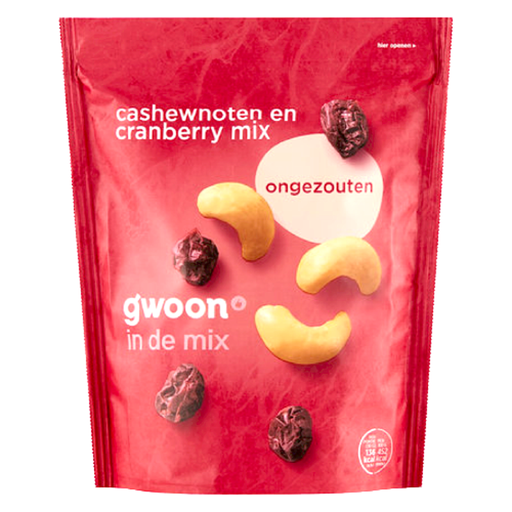
g'woon Cashew Nut Cranberry Mix, 200 g
A fruit and nut mix for anyone who wants to serve both together; the cranberries are sweetened.
The product information lists 50% cashew nuts, 50% sweetened dried cranberries and 10.9 g of protein per 100 g.
Contains cashew nuts and may contain traces of peanuts and other nuts.
Joybuy
 No image available
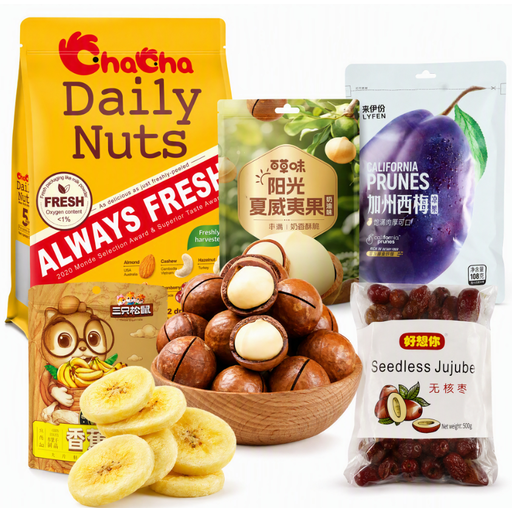
Dried fruit and nut snack pack, 5-pack, 1.073 kg
A pack of five snacks for anyone who wants to share a variety of nibbles; it contains more than just dried fruit.
The product information lists prunes, dates, banana chips and nuts, among other ingredients.
Contains several tree nuts. The prunes contain aspartame, a source of phenylalanine.
Joybuy
 No image available
Three Squirrels Red Apricot Dried, 250 g
Dried red apricots for anyone who wants to serve fruit without nuts.
The product information lists 1.1 g of protein per 100 g.
Contains added sugar, maltose syrup and sulphites.
Joybuy
 No image available
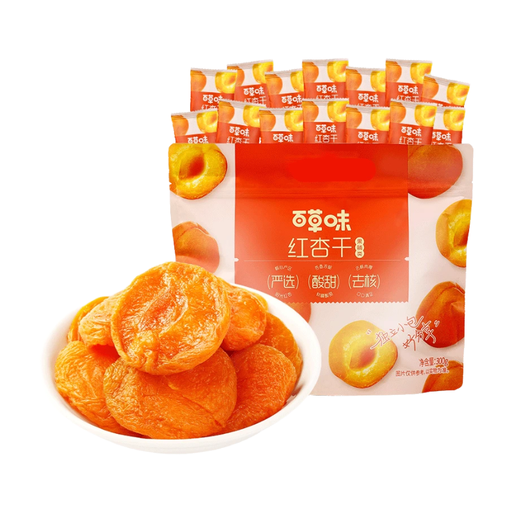
Be&Cheery Dried Red Apricots, 300 g
Dried red apricots for anyone who wants to put a single type of fruit on the party table.
The product information lists 0.9 g of protein per 100 g.
Contains added sugar, maltose syrup and sulphites.
Joybuy
Frequently asked questions
Do you always need special protein products for sport?
No. According to the Netherlands Nutrition Centre, most people who do sport don’t need special protein shakes or bars if they eat a healthy, varied diet. That doesn’t mean every party snack provides enough protein on its own; check the nutritional value of the portion you serve.
Is 20 grams of dried fruit a legal maximum portion?
No. The Netherlands Nutrition Centre recommends a maximum of 20 grams of dried fruit a day as dietary advice. This isn’t a legal purchasing limit for the products on this page.
Can you use general nutritional values to rank supermarket products?
Not as a substitute for the values of the exact product. According to the European guidance on nutrition declarations, the declared values must relate to the product as sold. So compare the information on the current packaging.
Which allergens should you check before a party?
Check the current packaging for allergens relevant to your guests. The Netherlands Food and Consumer Product Safety Authority says that allergen information for prepacked products must appear on the label; don’t assume a fruit and nut mix is free from common allergens.
How should you store leftover sultanas?
Follow the instructions on the packaging for your product. The product listing for Jumbo Organic Sultanas 500 g says to store in a cool, dry, dark place; this instruction doesn’t automatically apply to other types of fruit or products.


