Relevant supermarket chains
These chains offer products and pack sizes you can compare. A chain being listed here doesn’t in itself say anything about the protein content, vegan suitability or availability of a specific product.
Albert Heijn
Its range page lists dried fruit and fruit and nut mixes, including combinations with raisins, pineapple, mango and almonds.
- The product types listed offer different options for snacking or adding to a meal.
- A fruit and nut mix isn’t automatically high in protein or suitable for everyone with allergen restrictions, so check the specific product.
Jumbo
Jumbo lists raisins and dried apricots. The product information for the apricots also gives values per 100 grams and per serving.
- For the apricots checked, Jumbo lists 3.2 grams of protein per 100 grams and 0.6 grams per 20-gram serving.
- The same product information lists sulphites and possible traces of nuts, peanuts and sesame. This applies to this product, not the entire range.
Lidl
Lidl offers dried fruit and nuts under its Alesto brand, and suggests dried fruit as a possible topping.
- The range description includes both fruit and nut products as options for adding to dishes.
- The product type or serving suggestion doesn’t prove that a specific product provides a high amount of protein.
Aldi
Aldi lists Trader Joe’s sun-dried apricots in a 250-gram pack.
- The product description calls them soft dried apricots.
- A description of the texture says nothing about protein content or vegan certification.
Plus
The product page lists PLUS Dried Apricots in a 375-gram stand-up pouch.
- The pack information can help you decide whether the quantity suits how you’ll use it.
- PLUS advises customers to read the packaging, as ingredients, nutritional values and allergen information can change.
Dirk
Dirk lists pitted apricots in a 200-gram pack.
- The product page gives a specific pack size to include in your comparison.
- Check the nutritional values and ingredients of the product itself; a product listing isn’t proof of a protein claim.
Dried fruit and fruit and nut mixes
This selection of Joybuy products includes individual dried fruits and a fruit and nut mix. Check the ingredients and nutritional values for each product; the product name alone doesn’t confirm that it’s vegan or provides enough protein to serve as a protein source.
 No image available
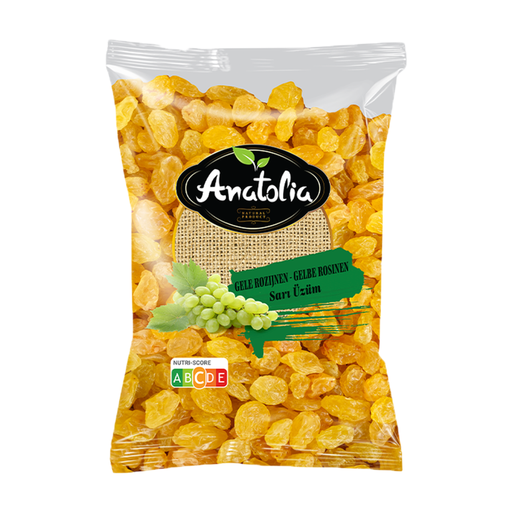
Anatolia Sari Uzum Raisins 500 g
Suitable as a fruity snack or an addition to breakfast cereals; the product description suggests enjoying it as a snack or adding it to dishes.
The ingredients are listed as 100% dried grapes. Check the packaging for up-to-date product information and vegan suitability.
Joybuy
 No image available
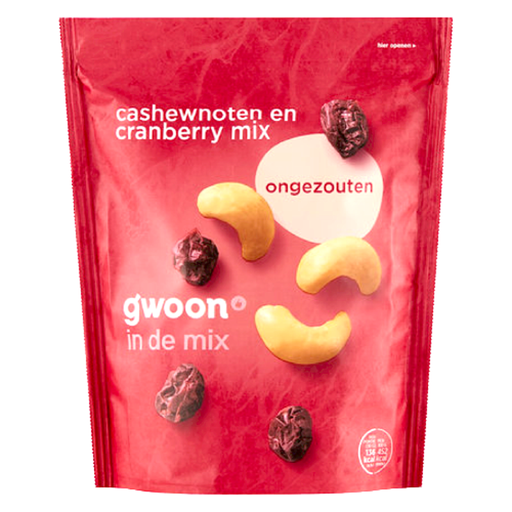
g’woon Cashew Nut Cranberry Mix 200 g
A ready-made combination for anyone who wants to enjoy fruit and nuts together. Check the full ingredients before choosing it as a vegan option.
According to the product information, the mix contains 50% cashew nuts and 50% sweetened dried cranberries, with 10.9 grams of protein per 100 grams. The information lists cashew nuts and possible traces of peanuts and other nuts.
Joybuy
 No image available
OHLA Dried Guava 180 g
A fruity snack or an addition to dishes; the product information suggests both ways to enjoy it.
The description lists 95% guava, and the nutritional information gives 1.27 grams of protein per 100 grams. Sugar and a preservative are also listed, so check the full ingredients list on the packaging.
Joybuy
 No image available
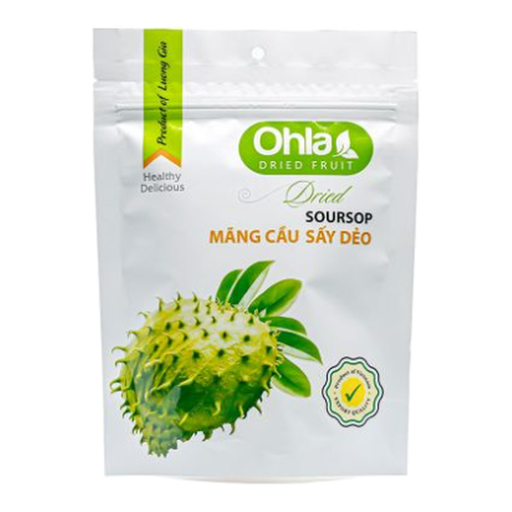
OHLA Dried Soursop 180 g
The product information describes this as a snack; check whether the ingredients suit your preferences.
The nutritional information lists 2.25 grams of protein per 100 grams. The ingredients list soursop, white sugar, glucose, citric acid and sodium metabisulphite. Follow the storage advice on the packaging after opening.
Joybuy
 No image available
PHILIPPINE BRAND Dried Mango 100 g
The product description mentions individually wrapped portions for snacking or adding to dishes.
The description lists 75% mango, and the nutritional information gives 2 grams of protein per 100 grams. The ingredients list sugar and E223 (sulphites); check the packaging if sulphites are relevant to you.
Joybuy
Frequently asked questions
Do you always need special protein products for sport?
No. According to the Netherlands Nutrition Centre, most people who exercise don’t need special protein shakes or bars if they eat a healthy, varied diet. Look at your overall diet, not just a serving of dried fruit.
Does ‘no added sugars’ mean the same as ‘sugar-free’?
No. ‘No added sugars’ refers to what has been added during preparation; it doesn’t mean the product contains no sugars. The Netherlands Nutrition Centre defines ‘sugar-free’ as no more than 0.5 grams of sugar per 100 grams or 100 millilitres.
Do allergens have to be listed on packaging in the Netherlands?
Yes. The NVWA states that allergen information for prepacked products must be shown on the label. Check which allergens are listed on the packaging of your specific product.
Does the presence of sulphites mean a product isn’t vegan?
The presence of sulphites alone doesn’t tell you whether a product is suitable for vegans. The Food Allergy Foundation describes sulphites as a preservative. Check the ingredients list separately, and look out for sulphites if you’re sensitive to them.
How should you store raisins after opening?
For golden raisins, the Netherlands Nutrition Centre recommends storing them in a cool, dry, dark place in a tightly sealed container. Also follow the specific instructions on your product’s packaging.


