What should you look for in a TV snack?
Dried fruit as a snack on its own
A good fit if: you mainly want a fruit component and aren’t choosing the snack as your main source of protein.
Bear in mind: a 20 g portion of the AH, Jumbo and PLUS apricots studied provides 0.80 g, 0.64 g and 0.68 g of protein respectively, based on the declared values. These are portion values calculated from the product information for those brands.
Dried fruit on quark or yoghurt
A good fit if: you fancy a bowl and want to use dried fruit as a topping alongside a separate source of protein.
Bear in mind: assess the nutritional value and portion of the whole bowl. The Netherlands Nutrition Centre suggests low-fat or semi-skimmed quark and yoghurt as possible additions.
Dried fruit with unsalted nuts
A good fit if: you’re looking for a combination with a plant-based protein source and nuts suit your needs.
Bear in mind: a fruit and nut mix isn’t automatically high in protein. Check the nutritional information for the exact combination and look at the allergen information.
The main decision is whether you want a measured portion of fruit, or a more complete snack with a separate source of protein.
| What to consider |
What should you check? |
Who is this important for? |
| Protein per portion |
Check the protein per 100 g, weigh your portion and calculate its contribution. Assess the combination as a whole. |
If you have a TV snack after exercising, you’ll want to know how much protein your measured portion really provides. Around 36% of consumers prioritise this protein contribution. |
| Portion size and sugars |
Check both the ingredients and the ‘of which sugars’ line in the nutritional information, and decide on your portion in advance. |
Want to choose mindfully how much dried fruit you eat during a night in front of the TV? Around 29% of consumers put portion size and sugars at the top of their list. |
| Ingredients and sensitivities |
Check the ingredients, allergens and any warnings on the packaging of the exact product. |
If you have a known sensitivity or would rather avoid an ingredient, the product information could be the deciding factor. Around 21% of consumers prioritise checking ingredients. |
| Buying and storage |
Check the pack size, best-before date, storage advice after opening and where you can buy the product. |
If you’re stocking up for several TV nights, you’ll want a pack you can store and a convenient way to buy it. Around 14% of consumers prioritise buying and storage. |
Dried fruit on Joybuy
These Joybuy products are dried fruit options for a TV snack; they’re not presented here as high-protein products. Check the nutritional information for the option you choose and calculate the values for your measured portion.
 No image available
Zohra Medjool dates (M) 908 g
An option if you’re looking for a dried fruit component for a TV snack.
The product name specifies Medjool dates, size M and 908 g. The product description says the dates are pitted and recommends storing the pack sealed in a cool, dry place.
View on Joybuy
 No image available
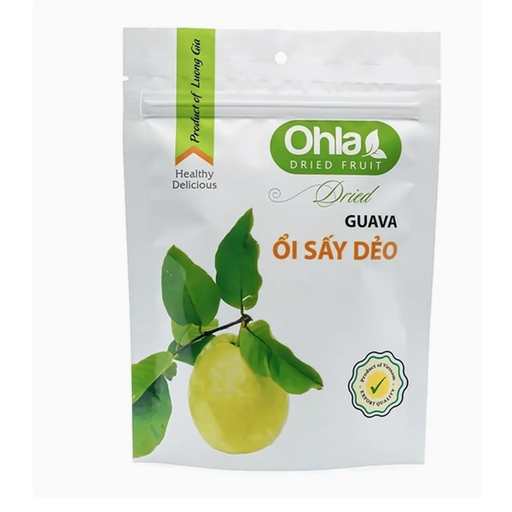
OHLA dried guava 180 g
A dried fruit option if you’re looking for guava as a snack or ingredient.
The ingredient description lists guava, sugar and a preservative. Check the packaging for the product’s nutritional and ingredient information.
View on Joybuy
 No image available
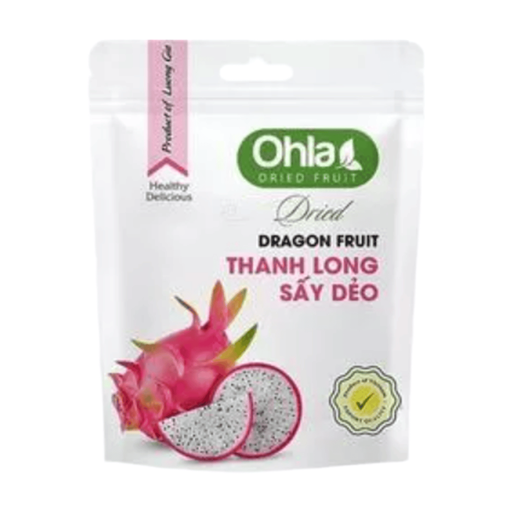
OHLA dried dragon fruit 180 g
An option if you want dried dragon fruit as the fruit component in a snack.
The product information includes a nutritional table and recommends sealing the pack well after opening and storing it in a cool, dry place.
View on Joybuy
 No image available
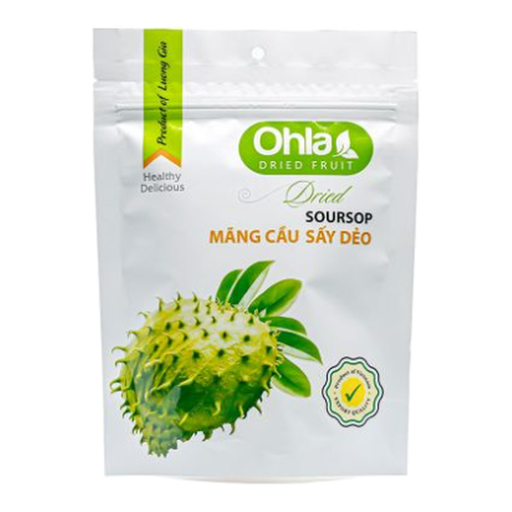
OHLA dried soursop 180 g
A dried fruit option if you’re looking for soursop as a TV snack.
The ingredient description lists soursop, sugar, glucose and sodium metabisulphite. Check the ingredients and nutritional information on the pack for your portion.
View on Joybuy
Frequently asked questions
Do you need a special protein bar or shake for a TV snack after exercising?
According to the Netherlands Nutrition Centre, most people who exercise don’t need special protein shakes or bars if they eat a healthy, varied diet. If you want to increase your protein intake, the Centre suggests options including low-fat or semi-skimmed quark or yoghurt, tofu, nuts and beans. If you have specific sports nutrition needs, you can ask for individual advice if necessary.
How much dried fruit can you put in your bowl in advance?
The Netherlands Nutrition Centre recommends eating no more than 20 g of dried fruit a day. This is dietary advice, not a legal sales limit or personal recovery prescription; count any dried fruit you’ve already eaten that day.
Does all dried fruit need to go in the fridge after opening?
Follow the instructions for the exact product. AH Soaked Dried Apricots should be refrigerated after opening at a maximum of 7 °C; Jumbo Pitted Dried Apricots should be stored in a cool, dry and dark place. Don’t assume the same storage instructions apply to the whole category.
What should you do if the ingredients or nutritional information online differs from what’s on the pack?
Check the packaging of the product you bought. AH and PLUS recommend checking the packaging because product formulations and information can change. If you have any questions, contact the retailer’s or supplier’s customer service team.
Where can you check allergens in dried fruit?
Check the allergen information on the packaging of the exact product. According to the NVWA, allergen information for prepacked foods must be shown on the label. The AH, Jumbo and PLUS apricots studied contain sulphites; Jumbo also mentions the possible presence of nuts, peanuts and sesame.


