Who is this choice relevant to?

Viewers looking for extra protein

You want a fruity snack while also making a conscious choice to include a source of protein. Distinguish between the dried fruit itself and the contribution from, for example, nuts or dairy. Advice for athletes is only relevant if you exercise yourself. Kenniscentrum Ondervoeding describes fruit as a food group that’s low in protein, while Voedingscentrum distinguishes between watching sport and training yourself.

Viewers who want to keep an eye on their portion

You want something sweet to eat during the match without repeatedly dipping into a large bag. Measuring out a portion beforehand makes it easier to keep track of how much you’re eating. Voedingscentrum recommends a maximum of 20 grams of dried fruit per day.

Viewers who need to consider allergens

Your choice may depend on sulphites, nuts, peanuts or milk. Check the packaging of each product before mixing ingredients or serving a shared snack. NVWA explains the allergen information provided on prepacked products.

What should you look out for when choosing?

Dried fruit without an extra source of protein

A good choice when: you’re mainly after a fruity snack and extra protein isn’t your top priority.

Bear in mind: fruit on its own shouldn’t be assumed to be a main source of protein.

Dried fruit with nuts

A good choice when: you want to put together a snack with a plant-based source of protein and nuts are suitable for you.

Bear in mind: the nutritional value depends on the ingredients and their proportions; adding nuts doesn’t automatically make a mix high in protein.

Dried fruit with dairy

A good choice when: you want to make a snack at home with a separate protein base and dairy products are suitable for you.

Bear in mind: dairy needs to be kept chilled, so you’ll need to take extra care when serving it during the match.

After your own training session

A good choice when: your match-night viewing follows your own strength or endurance training, and the snack fits into your overall diet.

Bear in mind: advice for athletes depends on your training goals; it doesn’t automatically make a particular dried fruit snack a recovery snack.

What to consider What should you check? Who is it most relevant to?
Protein content Compare the nutritional information for the exact ingredients and calculate it for the portion you eat. Don’t rely solely on a product name or claim: according to the European Commission, nutrition claims are only permitted under the relevant EU rules. If protein is the priority for my snack, I want to be able to assess how much fruit and any nuts or dairy contribute to my portion. Around 36% of consumers therefore give the actual protein contribution top priority.
Portion size and ingredients Check the ingredients and weigh out your portion. Voedingscentrum recommends a maximum of 20 grams of dried fruit per day. I want to have a measured portion of fruit during the match, rather than keep eating from a large bag. Around 29% of consumers prioritise keeping portions in check.
Serving and storage Decide in advance how you’ll serve the snack. For perishable ingredients, Voedingscentrum recommends a fridge temperature of 4 °C and no more than 2 hours out of the fridge. If I want to prepare and portion the snack easily during the match, I pay attention to how it’s prepared and stored. Around 21% of consumers make ease of serving their main consideration.
Allergens and intolerances Read the ingredients and allergen information for every component. Look out for sulphites and, depending on the combination, nuts, peanuts and milk. If an ingredient isn’t suitable for my allergy or intolerance, I want to be able to check the packaging of every component. Around 14% of consumers give suitability for people with allergies or intolerances top priority.

Common mistakes when choosing

  • Assuming dried fruit is a main source of protein

    Fruit is low in protein. So choosing a different type of fruit doesn’t tell you whether the whole snack suits a protein goal.

    First decide whether you want to add a separate source of protein. Then compare the nutritional information for the exact products and portions you’re using.

  • Treating a large bag as one match-night portion

    The amount in a pack and the amount you eat are two different things. Voedingscentrum recommends a maximum of 20 grams of dried fruit per day; this is dietary advice.

    Measure out your portion beforehand and check the packaging for the ingredients.

  • Storing a fruit and dairy combination as if it were just dried fruit

    Dairy is perishable and needs to be stored differently from dried fruit.

    Keep perishable ingredients chilled. Voedingscentrum advises not leaving them out of the fridge for more than 2 hours.

  • Choosing a shared mix without checking all the allergens

    Dried fruit may contain sulphites, while nuts and dairy introduce other relevant allergens.

    Read the packaging for every ingredient. Keep components separate if guests have different allergies or intolerances.

Popular supermarket brands

Albert Heijn

Albert Heijn lists, among other things, soaked dried apricots and a fruit and nut mix with pear and date. These are different types of product to consider.

  • The product pages confirm the products mentioned.
  • You can’t tell whether a fruit and nut mix is high in protein from its name alone; check the current packaging.

Jumbo

Jumbo lists sultanas in a range of pack sizes and varieties.

  • The range page lists 250 g, 500 g and 750 g packs.
  • Pack size tells you nothing about the protein content of your portion.

Lidl

Lidl describes Alesto as a range of nuts and dried fruit.

  • The range is a useful starting point if you want to explore these product groups together.
  • The range description doesn’t confirm the protein content or a protein claim for any specific mix.

ALDI

ALDI lists TRADER JOE’S Sun-Dried Apricots in a 250 g pack.

  • The product page confirms the product type and pack size.
  • The product description doesn’t say how much protein your portion provides.

PLUS

PLUS lists dried apricots in a 375 g stand-up pouch.

  • The product page confirms the product name, packaging type and pack size.
  • If nutritional value matters to you, check the information on the current packaging.

Dirk

Dirk has a product listing for raisins.

  • The listing confirms the product category.
  • The listing doesn’t provide complete nutritional information to help you assess its protein contribution.

Joybuy product picks

This selection includes dried fruit on its own and combinations with nuts for a fruity snack. If these factors matter to your choice, check the nutritional and allergen information on the exact pack.
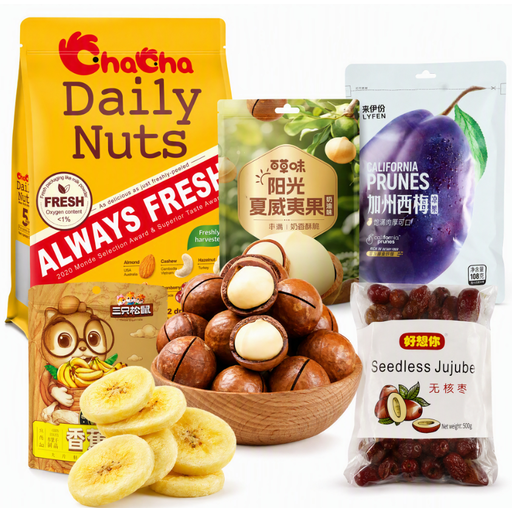
Full of fruit flavor nuts and dried fruit sharing pack, 5-pack, 1.073 kg

Full of fruit flavor nuts and dried fruit sharing pack, 5-pack, 1.073 kg

A good choice if you like to alternate between different fruit and nut snacks. The product description states that the plums contain aspartame, a source of phenylalanine, and that the product should be refrigerated after opening and eaten within one day.

Joybuy
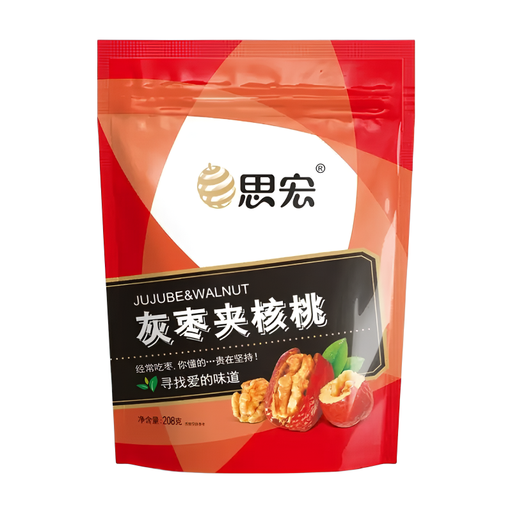
Sihong Gray Dates with Walnuts, 208 g

Sihong Gray Dates with Walnuts, 208 g

A good choice if you want to pair dates with a nut ingredient. The product description lists walnuts; check the nutritional information on the exact pack if protein matters to you.

Joybuy
PHILIPPINE BRAND Dried Mango, 100 g

PHILIPPINE BRAND Dried Mango, 100 g

A good choice if you’re looking for a fruity snack without any nuts listed in the combination. Check the nutritional information on the pack if you want to take the protein content into account.

Joybuy
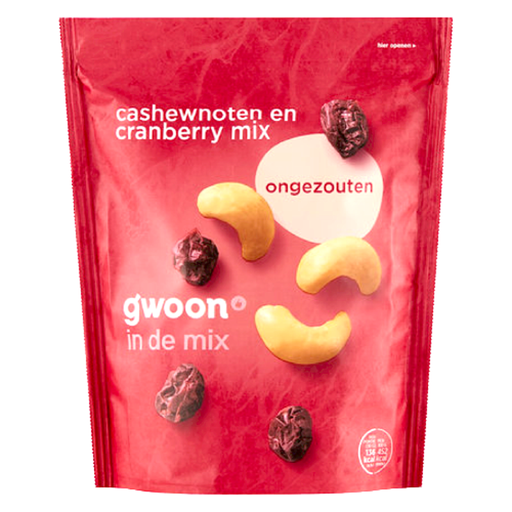
g'woon Cashew Nut Cranberry Mix, 200 g

g'woon Cashew Nut Cranberry Mix, 200 g

A good choice if you want to pair dried fruit with a nut ingredient. The product description lists cashews and possible traces of peanuts and other nuts; check the allergen information on the pack.

Joybuy

OHLA Dried Guava, 180 g

OHLA Dried Guava, 180 g

A good choice if you’re looking for dried guava as a fruity snack. The product description states that it contains 95% guava; check the nutritional information on the exact pack if protein content matters to you.

Joybuy

Frequently asked questions

Do you need extra protein just because you’re watching football?

No. Watching football alone isn’t a reason to need extra protein. Voedingscentrum links a higher protein requirement to doing strength or endurance sports yourself; advice for serious athletes also depends on their goals.

How do you calculate the protein in a homemade mix?

Add together the protein contribution of each ingredient. To work it out, multiply the protein value per 100 grams by the weight used, then divide by 100. Use the nutritional information for the exact products, not just the information for the fruit in the mix as a whole.

Is 20 grams of dried fruit a legal limit?

No. The 20-gram amount is Voedingscentrum’s daily dietary recommendation for dried fruit, not a legal maximum or a packaging limit.

Which allergens should you look out for in this snack?

Check the fruit for sulphites and, for combinations, look out for nuts, peanuts and milk too. NVWA states that allergen information for prepacked products must be shown on the label. Stichting Voedselallergie describes reactions to sulphites as intolerance reactions, not allergic reactions.

Can any product containing fruit and nuts be marketed as high in protein?

No. The presence of nuts or a product name doesn’t, on its own, prove that a product can be marketed as high in protein. According to the European Commission, nutrition claims are only permitted under the applicable EU rules and conditions, so check the nutritional information for the exact variety.
