
People who exercise and watch their protein intake
You want to know how much protein an everyday snack portion provides, without mistaking dried fruit for a protein-focused snack.


Dried fruit is primarily a fruity addition to party nibbles, rather than something to choose solely for its protein content. Based on product information from Albert Heijn, PLUS and Jumbo, a 20 g serving of the apricots and raisins reviewed provides 0.62 to 0.80 g of protein. If you’re keeping an eye on protein around your workouts, consider how much your serving contributes to your overall diet. According to the Netherlands Nutrition Centre, most people who exercise don’t need special protein shakes or bars if they get enough protein from a varied diet. When choosing fruit, also check the serving size, total sugars, allergens and storage instructions.
You want to know how much protein an everyday snack portion provides, without mistaking dried fruit for a protein-focused snack.
You’re looking for fruit to serve with party nibbles and want to check the ingredients, any nuts and storage instructions to suit your guests and the occasion.
You want to choose a suitable amount of dried fruit and know that no added sugar doesn’t mean low in total sugars.
First, decide what matters most for your drinks spread: protein content, ease of serving, portion size, suitability for your guests or pack size.
| What to consider | What should you check? | Who might find this more important? |
|---|---|---|
| Protein per serving | Compare protein per 100 g and per serving you plan to have; use the nutritional information for the exact product. | If I have fruit with drinks after exercising, I want to know how much protein my serving actually provides. Around 39% of consumers put protein content first. |
| Serving and storage | Check whether the fruit has been soaked, and follow the product-specific storage instructions after opening. | When I’m serving nibbles, I want fruit that suits the occasion and that I can store appropriately afterwards. Around 23% of consumers say ease of serving is the deciding factor. |
| Total sugars and portion size | Check both total and added sugars, and decide in advance how much to serve. | If I want to manage my portion of dried fruit, I look at total sugars, not just added sugar. Around 15% of consumers put portion control first. |
| Suitability for guests | Check the ingredients and allergen information on the exact pack, particularly for sulphites or nuts. | When I choose fruit for guests, I want to take any known intolerance or allergy into account. Around 15% of consumers prioritise ingredient suitability. |
| Pack size | Choose a net weight that suits the portions you plan to serve, and bear in mind the storage instructions for after opening. | For a one-off get-together, I want a pack that suits the amount I’m going to serve. Around 8% of consumers prioritise pack size and how well it suits their needs. |
A 20 g serving of the apricots and raisins reviewed provides 0.62 to 0.80 g of protein, based on product information from Albert Heijn, PLUS and Jumbo.
Use the amount you’ll actually serve and compare it with your overall diet.
The PLUS dried apricots reviewed list 0 g of added sugars and 53.4 g of total sugars per 100 g.
Check total sugars, added sugars and portion size together on the label of the product you choose.
A mix has a different composition and may contain nuts. The protein content of the whole mix can’t be determined just by the presence of nuts.
Check the ingredients and allergen information on the specific pack before serving the mix.
The AH Soaked Dried Apricots reviewed come with specific instructions to refrigerate after opening; these instructions won’t necessarily apply to other products.
Read the instructions for after opening and choose a pack size that suits the amount you’ll use.
Use these brands as a starting point, but check the label of the exact product for protein, ingredients and storage information.
The product information for AH Soaked Dried Apricots 250 g is useful if you’re specifically looking at apricots.
The product information for Jumbo Sun-Dried Sultana Raisins 500 g provides a separate example of dried fruit.
Lidl describes Alesto as a range of dried fruit and nuts, including products for sharing or using as a topping.
ALDI lists both Trader Joe’s Sun-Dried Apricots 250 g and a separate 200 g nut and fruit mix.
The PLUS Dried Apricots reviewed are sold in a 375 g stand-up pouch.
Dirk’s category overview includes pitted apricots, dried figs, plums and dates.
These fruity snacks are worth a look as an addition to a drinks spread, but their inclusion here doesn’t automatically make them high-protein choices.
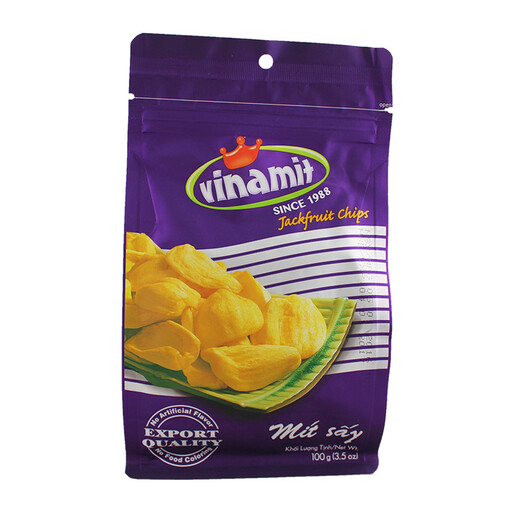 No image available
A fruity snack to consider serving with drinks; check the pack’s nutrition table to see how much protein your portion provides.
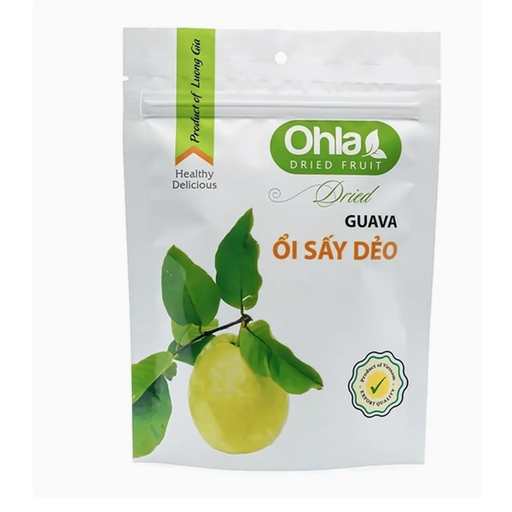 No image available
A fruity addition to consider serving with drinks; the product information lists sugar and a preservative, so check that the ingredients suit your preferences.
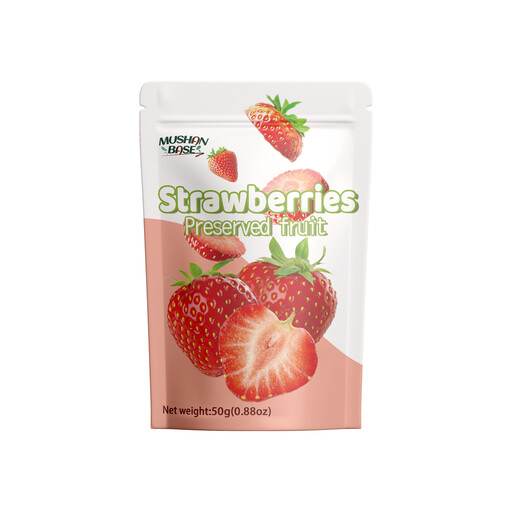 No image available
This fruity snack can also be used as a topping; check the total sugars and choose a portion to suit how you plan to serve it.
Multiply the amount on the label by your portion weight, then divide by 100. For example, 20 g of AH Soaked Dried Apricots provides 0.80 g of protein, based on the listed 4 g per 100 g.
No. The PLUS apricots reviewed list 0 g of added sugars, but 53.4 g of total sugars per 100 g. Check both figures separately on the pack.
It depends on the product. Albert Heijn says AH Soaked Dried Apricots should be refrigerated at a maximum of 7 °C. For the PLUS apricots reviewed, the instructions are to store them in a cool, dry, dark place; follow the instructions on your pack.
Not necessarily. According to the Netherlands Nutrition Centre, most people who exercise don’t need special protein shakes or bars if they get enough protein from a varied diet. Whether you need to supplement your diet depends on what you already eat and how much exercise you do.
Check the ingredients and allergen information on the exact pack. The AH and PLUS apricots reviewed list sulphites. The Food Allergy Foundation describes reactions to sulphites as intolerance reactions, not allergic reactions.