When buying dried fruit for the school holidays, focus on the portion size and ingredients rather than choosing it simply because you’re looking for a high-protein snack. According to the Netherlands Nutrition Centre, a 20 g handful of raisins contains 0.6 g of protein. If you want a snack with an additional source of protein, consider the whole combination and portion sizes. For children aged 4 to 12, the Netherlands Nutrition Centre recommends a maximum of one handful of dried fruit with no added sugar per day.
Who is this guide for?
Active holiday snackers
You’re looking for a snack to enjoy around sports activities and want to know how much protein dried fruit actually provides. Compare the nutritional information per portion and consider whether an additional source of protein would work well with the snack. General sports guidance isn’t individual protein advice for a child; the Netherlands Nutrition Centre also notes that most people who do sport don’t need special protein shakes or bars.
Parents who like to portion snacks in advance
You want to prepare clearly portioned snacks for your school-age child. Check the ingredients, quantity and snack times. The Netherlands Nutrition Centre lists dried fruit with no added sugar as a snack for children aged 4 to 12.
Families who need to consider allergens
Your choice depends on the ingredients and allergens, especially if you’re combining fruit with nuts or dairy products. Check the current label and consider the size and texture of the pieces too, so they’re easy to chew.
What should you look for when choosing?
First decide whether you’re mainly looking for a fruity snack or a combination with an additional source of protein. Then compare the portion size and ingredients, and think about who will be eating the snack.
| What to consider |
What should you check? |
Who is this relevant for? |
| Protein per portion |
Compare the protein per 100 g and per portion you’ll actually eat. The Netherlands Nutrition Centre gives 0.6 g per 20 g handful of raisins and 0.4 g per 9 g dried apricot as reference values. Check the label for a specific product. |
When it comes to sport, I want to know how much protein my fruity snack provides and whether I need an extra source of protein. That’s why around 36% of consumers give protein content top priority. |
| Portion size and ingredients |
Read the ingredients list and check whether sugar has been added. For children aged 4 to 12, the Netherlands Nutrition Centre recommends a maximum of one handful of dried fruit with no added sugar per day. |
For holiday days with children, I want to portion snacks in advance and be able to see what’s been added. For around 29% of consumers, portion size and added sugar come first. |
| Packaging and storage |
Check the net weight, how many portions you’ll get from the pack and the storage instructions after opening. Storage advice can vary by type and product. |
I want snacks that are easy to buy and portion, without opening more than I need. Around 21% of consumers give packaging convenience and shopping options top priority. |
| Allergens and ease of chewing |
Check the current allergen information, including that for ingredients in a combination. Consider the size and texture of the pieces; the Netherlands Nutrition Centre advises against whole nuts or peanuts for children under 4. |
If someone eating the snack has a relevant food sensitivity or finds chewing difficult, I want to check that the combination and texture are suitable first. For around 14% of consumers, suitability is the deciding factor. |
Common pitfalls
-
Assuming dried fruit is a substantial source of protein
A fruity or sporty snack name doesn’t tell you how much protein a portion provides. According to the Netherlands Nutrition Centre, a reference 20 g handful of raisins contains 0.6 g of protein.
Compare the protein in the portion you’ll eat and check any additional ingredients separately.
-
Confusing a large pack with a suitable portion for a child
For children aged 4 to 12, the Netherlands Nutrition Centre recommends a maximum of one handful of dried fruit with no added sugar per day. This advice distinguishes between plain dried fruit and sweetened or coated varieties.
Read the ingredients list and portion out a suitable amount in advance, rather than relying on the packaging or image.
-
Serving a nut or dairy combination without checking the label
A combination may contain allergens that aren’t present in the dried fruit itself. Whole nuts also need extra care for young children and anyone who finds chewing difficult.
Check the current allergen information and choose a size and texture that suit the person’s age and ability to chew. The Netherlands Nutrition Centre advises against whole nuts or peanuts for children under 4.
Brands and supermarkets to consider
Albert Heijn
The product pages include AH Raisins and AH Hamsterchef Raisins and Apricot Pieces.
- There are examples of both plain raisins and a combination with apricot.
- Albert Heijn recommends checking the packaging; ingredients, nutritional values and allergen information may change.
Jumbo
Jumbo describes a range of dried fruit, including apricots, cranberries, prunes, dates and raisins.
- One product page lists Jumbo Dried Apricots, Pitted, 250 g.
- The type of fruit and pack weight alone don’t tell you how much protein a portion provides; check the nutritional information to compare.
Lidl
Lidl’s Alesto range includes nuts, dried fruit and snacks, such as dried mango strips.
- Lidl lists home, school and on-the-go as occasions for enjoying the mango strips.
- The range includes different types of product; check the product name and ingredients to see whether it’s plain dried fruit or another kind of snack.
Aldi
The Trader Joe’s products described at ALDI are 500 g raisins and 250 g sun-dried apricots.
- The fruit types and pack weights mentioned give you practical options for portioning snacks.
- Pack weight isn’t nutritional information; check the nutritional details for the product you choose.
PLUS
PLUS lists Sultana raisins in a 375 g stand-up pouch.
- PLUS offers delivery or collection as ways to receive your shopping.
- The packaging and way you shop don’t tell you how much protein a portion provides; check the label.
Dirk
Dirk describes 1 de Beste Sultana Raisins, 375 g, as an ingredient for yoghurt, muesli and baking, among other things.
- The product description suggests several ways to use raisins.
- Dirk states on its information page that it doesn’t offer a delivery service; bear this in mind when planning your shopping.
Joybuy products for fruity snacks and combinations
These product options range from dried fruit to fruit-and-nut combinations and a sharing pack. Check the ingredients, nutritional information and any allergens for each product to see if it suits your needs.
 No image available
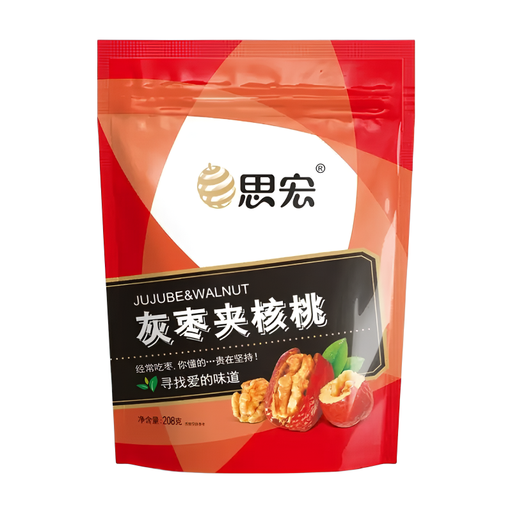
Sihong grey dates with walnuts, 208 g
A fruit-and-nut combination for anyone looking for dates with a nut component.
The ingredients are dates and walnuts; the nutritional information lists 3.4 g of protein per 100 g. Contains walnuts and isn’t suitable for anyone with a walnut allergy. The Netherlands Nutrition Centre advises against whole nuts for children under 4.
Joybuy
 No image available
Zohra Medjool dates (M), 908 g
An option for anyone looking for a date snack without an additional nut component.
The product information describes them as black dates and states that they’re pitted. The nutritional information lists 3.2 g of protein per 100 g.
Joybuy
 No image available
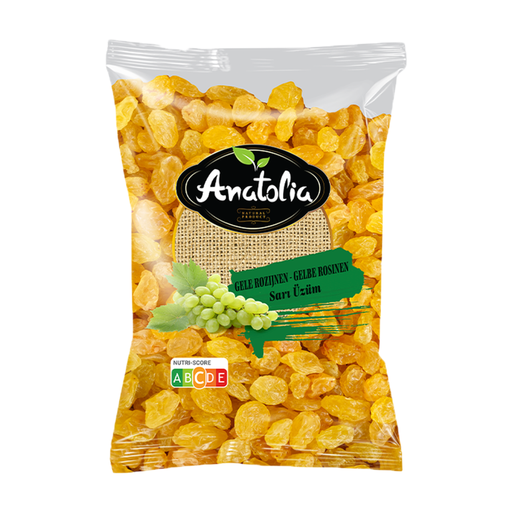
Anatolia Sari Uzum raisins, 500 g
An option for anyone looking for plain raisins to snack on or add to breakfast cereal.
The ingredients information lists 100% dried grapes. Use the nutritional information on the packaging to check the protein content of the portion you choose.
Joybuy
 No image available
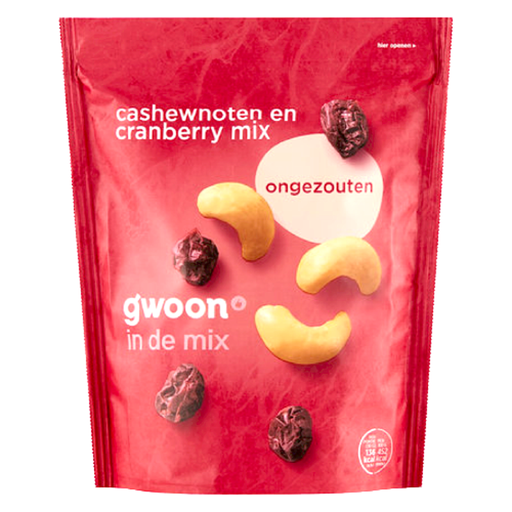
g'woon cashew and cranberry mix, 200 g
A fruit-and-nut mix for anyone who wants to combine dried cranberries with cashew nuts.
The description lists 50% cashew nuts and 50% sweetened dried cranberries; the nutritional information lists 10.9 g of protein per 100 g. The cranberries contain sugar and sunflower oil. Contains cashew nuts and may contain traces of peanuts and other nuts.
Joybuy
 No image available
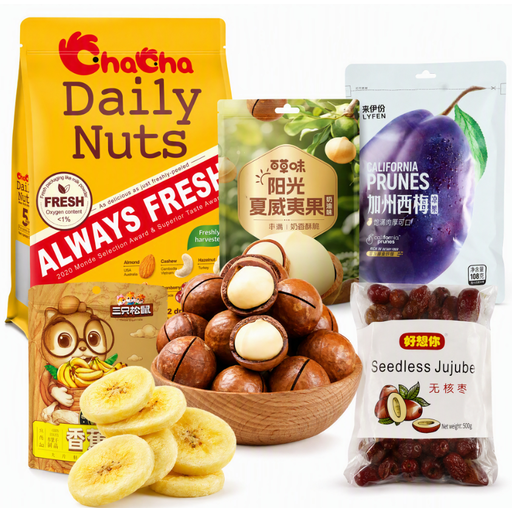
Full of fruit flavor nuts and dried fruit pack, 5-pack, 1.073 kg
A sharing pack with a variety of fruit and nut products, for anyone looking for several individual snacks.
The bundle includes prunes, raisins, nuts and banana chips, among other things; the nutritional information lists 9 g of protein per 100 g. Several items contain sugar or sweeteners. One prune product contains aspartame, a source of phenylalanine. Check the allergen information on the individual packs. According to the description, the products should be refrigerated after opening and eaten within one day.
Joybuy
Frequently asked questions
How much protein does a handful of raisins provide?
According to the Netherlands Nutrition Centre, a 20 g handful of raisins contains 0.6 g of protein. This is a reference value for raisins; check the nutritional information and portion size on the packaging for a specific product.
How much dried fruit can I give my school-age child?
For children aged 4 to 12, the Netherlands Nutrition Centre recommends a maximum of one handful of dried fruit with no added sugar per day. It also recommends having no more than four eating or drinking occasions between meals; water is fine at any time between meals.
Does everyone who does sport need special protein snacks?
No. According to the Netherlands Nutrition Centre, most people who do sport don’t need special protein shakes or bars if they eat a healthy, varied diet. This is general guidance, not an individual assessment of a young athlete’s protein needs.
How should I handle whole nuts and pieces that are difficult to chew?
Make sure your child sits quietly while eating and stay nearby. Cut pieces smaller if you’re not sure they can chew them properly. The Netherlands Nutrition Centre advises against whole nuts or peanuts for children under 4; older children can choke on them too.
Are claims such as ‘high in protein’ regulated?
Yes. The Netherlands Food and Consumer Product Safety Authority refers to European rules on nutrition and health claims, including Regulation (EC) No 1924/2006. So check the nutritional information and don’t judge a claim by the product name alone.


