
Gift buyers focused on recovery
You’re looking for something for a father who enjoys sport, and want protein to be part of your decision. Check the protein source in the whole combination, not just the fruit.


If you want to make protein the priority, give dried fruit as the fruit component alongside a separate protein source, rather than assuming it will provide the basis for recovery. According to product information from Albert Heijn, Jumbo and PLUS, a 20 g portion of the apricots reviewed contains around 0.64 to 0.80 g of protein. So assess the whole combination, and check sugars, ingredients, allergens and storage instructions too.
You’re looking for something for a father who enjoys sport, and want protein to be part of your decision. Check the protein source in the whole combination, not just the fruit.
You want to give fruit for a snack or to add to breakfast, perhaps with nuts, without treating it as sports nutrition.
You check ingredients, added sugar and any known allergies or intolerances. If you’re putting together a snack, check every component.
First decide whether the gift is mainly a fruity snack or part of a combination where protein matters. Then check the ingredients and storage instructions.
Choose this when: your father mainly wants fruit as a snack or topping, and gets protein from other parts of his diet.
Trade-off: the apricots reviewed provide little protein per small portion.
Choose this when: you want a snack combination and nuts fit with your ingredient preferences.
Trade-off: nutritional values vary by mix, so check added ingredients and allergens too.
Choose this when: protein for recovery is the main reason for the gift, and you want to give fruit as a topping or side.
Trade-off: assess the nutritional values of the whole combination and consider how each component needs to be stored.
| Consideration | What to check before buying | Who is it most relevant to? |
|---|---|---|
| Protein content | Check the amount of protein per 100 g and calculate how much that provides in the portion your father will actually eat. | If recovery nutrition is the priority, you’ll want to know how much protein the whole snack provides. Around 36% of consumers put protein content first when choosing. |
| Sugars and portion size | Compare total sugars and added sugars separately, and bear the portion size in mind. | If ingredients and portion size are important to you, you’ll want to assess both sugar values separately. Around 29% of consumers prioritise this consideration. |
| Gift presentation and storage | Check the packaging and instructions for storage after opening. | If you plan to portion out the fruit or prepare it in advance, check how to store it safely according to the label. Around 21% of consumers focus mainly on giving and storage. |
| Allergens and intolerances | Check the ingredients and allergen information for every component, even if you’re putting together your own mix. | If you have a known allergy or intolerance, check every ingredient before combining fruit with nuts or another product. Around 14% of consumers prioritise dietary suitability. |
According to product information from Albert Heijn, Jumbo and PLUS, a 20 g portion of the apricots reviewed contains less than 1 g of protein. So the protein value of the fruit alone tells you little about the whole snack.
Assess the whole combination and don’t attribute a sports or recovery benefit to the fruit packaging.
The PLUS apricots reviewed state 0 g of added sugars, but contain 53.4 g of total sugars per 100 g.
Read both values separately and compare products using the same portion size.
Once opened, the Albert Heijn soaked apricots reviewed must be kept refrigerated at a maximum of 7 °C.
Follow the instructions on the specific pack and include them with the product if you repackage it as a gift.
Nuts and other additions change the make-up of the gift; the fruit label won’t tell you about the whole combination.
If you have a known allergy or intolerance, check the ingredients and warnings for every component.
The soaked dried apricots reviewed are intended as a fruity snack or topping.
The range includes pitted dried apricots and an organic option.
Lidl describes Alesto as a range of nuts and dried fruit.
The Dutch product page describes Trader Joe's 250 g sun-dried apricots as soft dried apricots.
The dried apricots reviewed are sold in a 375 g stand-up pouch.
Dirk describes the 375 g apricots as suitable for breakfast and baking recipes.
These products work as a fruity snack or a combination of dried fruit and nuts. Check the protein value, sugars and ingredients for each product.
 No image available
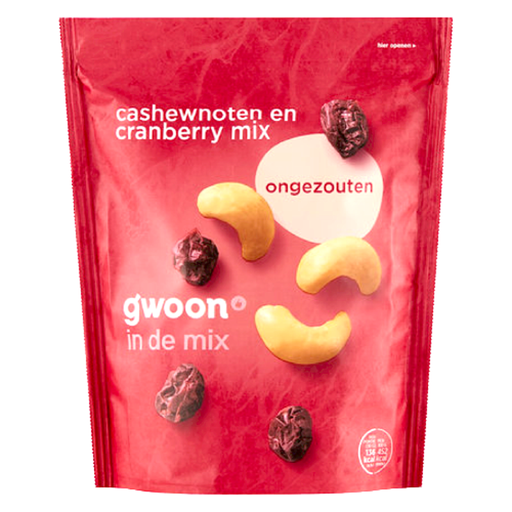
A good choice as a fruit and nut snack if you also want to consider the mix’s protein value and ingredients.
Joybuy lists 50% cashew nuts and 10.9 g of protein per 100 g. The mix contains 32.5 g of sugars per 100 g, and the cranberries are sweetened.
Contains cashew nuts and may contain traces of peanuts and other nuts.
 No image available
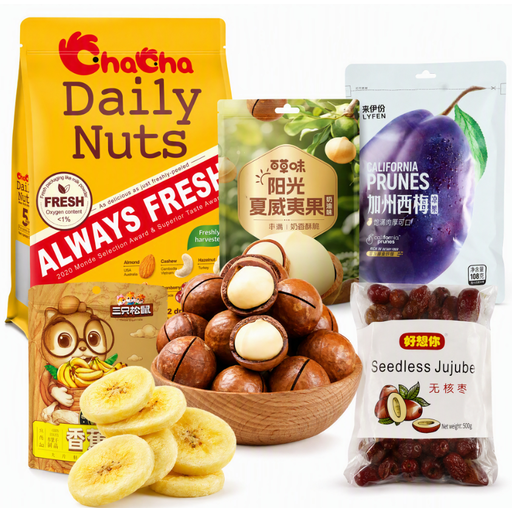
Suitable as a varied sharing snack; check the ingredients of each individual snack.
The product description lists five snacks, including dried fruit and nuts. Added sugar is listed for several components.
Contains tree nuts. The prunes contain aspartame and are a source of phenylalanine. Refrigerate after opening and consume within one day.
 No image available
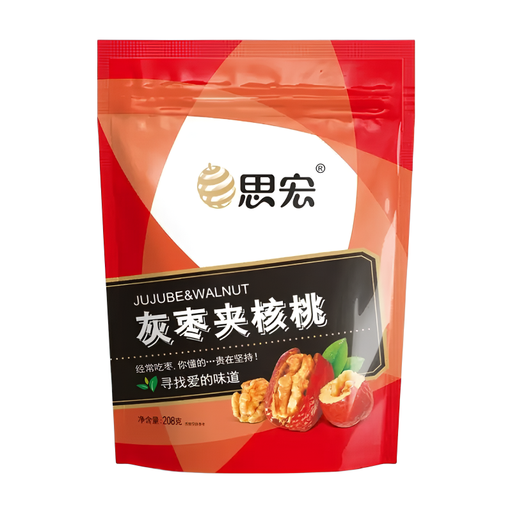
A ready-made combination of dried fruit and walnuts, but not a protein source for recovery.
Joybuy lists dates and walnut kernels as ingredients, with 3.4 g of protein and 12.1 g of sugars per 100 g. Store in a cool, dry place.
Contains walnuts.
 No image available
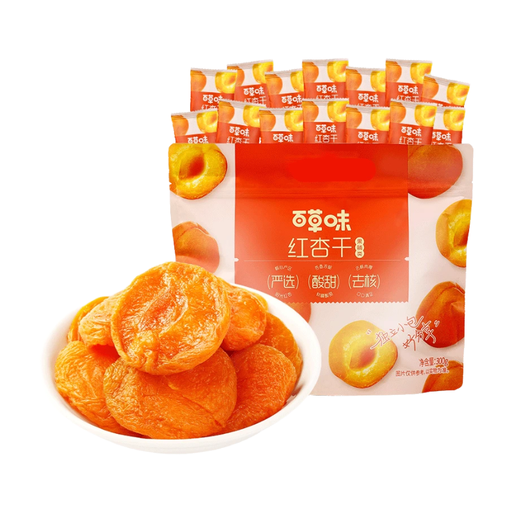
Suitable as a fruity snack or recipe ingredient; don’t consider the apricots a protein source for recovery.
Joybuy lists 1.1 g of protein and 62.0 g of sugars per 100 g. The ingredients include sugar and maltose syrup.
Contains sulphites.
 No image available
Suitable as a fruity snack; if you’re putting together a recovery-focused combination, bear in mind the low protein content.
Joybuy lists 0.9 g of protein and 64.5 g of sugars per 100 g. The ingredients include sugar and maltose syrup; store in a cool, dry place.
Contains sulphites.
Convert the values to the same weight: grams of protein per 100 g × portion weight divided by 100. According to Jumbo, a 20 g portion of the apricots reviewed contains 0.64 g of protein, based on 3.2 g per 100 g; the product page rounds this to 0.6 g.
No. The fact that a product contains protein does not automatically mean it can carry that claim. The European Commission explains that nutrition claims must meet the criteria for permitted claims and their conditions; the NVWA points to the European rules that apply in the Netherlands.
No. The PLUS apricots reviewed list 0 g of added sugars and 53.4 g of total sugars per 100 g. Check both values on the packaging.
Not if you’re using the Albert Heijn soaked apricots reviewed: once opened, they must be kept refrigerated at a maximum of 7 °C. Always follow the storage instructions on the specific pack.
Check the ingredients and allergen information for every component. The Albert Heijn and PLUS apricots reviewed list sulphites, which is relevant if you have a known sulphite intolerance. Check the label on any nuts you add too.