What should you look for when buying?
Plain dried fruit
Choose this if: you’re mainly looking for a fruity snack or topping and get your protein at other mealtimes.
Bear in mind: according to the Netherlands Nutrition Centre, an average dried apricot contains 0.4 g of protein and 5 g of sugar per 9 g piece. This isn’t a product specification for every variety.
Fruit with nuts
Choose this if: you want to combine fruit and nuts in one snack; the Netherlands Nutrition Centre lists unsalted nuts as a source of protein.
Bear in mind: the protein content depends on the proportions of the ingredients, and you’ll need to check the allergen information for the nuts.
Fruit with a separate source of protein
Choose this if: you want to plan your breakfast or another mealtime on holiday, combining fruit with a separate source of protein. The Netherlands Nutrition Centre lists dairy products, tofu and unsalted nuts among the sources of protein.
Bear in mind: this is a meal or snack made up of different ingredients, so check the ingredients, nutritional values and allergens of each separately.
The nutritional values for dried apricots below are averages from the Netherlands Nutrition Centre, not label values for every product. Compare the information for the exact product with the amount you eat.
| What to consider |
What should you check? |
Who is this most important for? |
| Protein per portion |
Compare protein figures on the same basis and work out the amount for your own portion. |
If I’m keeping up with my exercise on holiday, I want to know how much protein my portion actually provides. Around 31% of consumers prioritise protein content. |
| Packing and storage |
Read the storage advice and use-by date; consider whether you can meet the storage requirements while you’re out and about. |
If I’m out for the day, I want a snack I can store as directed on the label. Around 25% of consumers prioritise convenience when packing and storing snacks. |
| Sugar and portion size |
Check the sugar and energy content alongside the portion size; don’t compare a fruit and nut mix as if it were plain fruit. |
If I want to tailor my portion, I look at more than just protein: sugar and energy matter too. Around 19% of consumers prioritise sugar and portion size. |
| Allergens and when you eat it |
Check the ingredients and allergen information on the packaging; before exercise, pay attention to portion size and ingredients too. |
If I avoid allergens or eat shortly before exercising, I want to be able to check the ingredients and portion size. Around 13% of consumers prioritise allergens or comfort around exercise. |
| Packaging and cost |
Compare the net weight and current unit price of the same type of product with the amount you expect to use. |
If I’m buying snacks for several days of my holiday, I want to choose a pack that suits how I’ll use it. Around 12% of consumers prioritise cost and pack size. |
Joybuy products
This selection from Joybuy includes plain dried fruit and fruit and nut mixes. Compare the nutritional values given per 100 g and work out what they mean for your own portion; a protein figure on its own doesn’t mean a product is ‘high in protein’.
 No image available
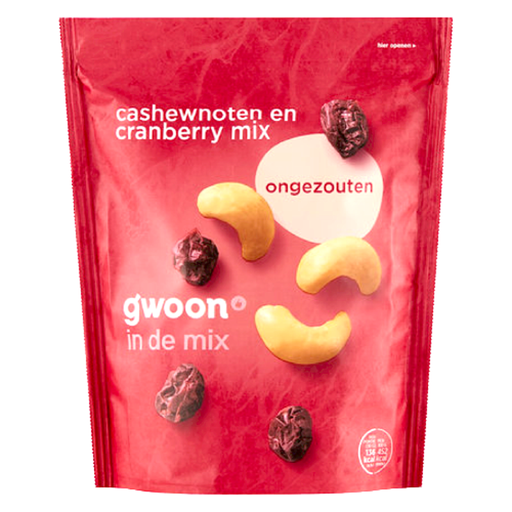
g'woon cashew and cranberry mix, 200 g
A good choice if you want to combine fruit and cashew nuts in one snack.
50% cashew nuts.
Protein: 10.9 g per 100 g.
Sugars: 32.5 g per 100 g.
Contains cashew nuts; may contain traces of peanuts and other nuts.
View product at Joybuy
 No image available
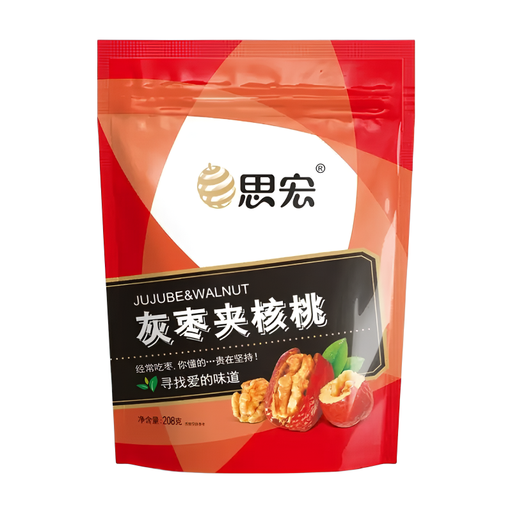
Sihong grey dates with walnuts, 208 g
A good choice if you want to combine dates and walnuts in a snack.
Protein: 3.4 g per 100 g.
Energy: 549 kcal per 100 g.
Contains walnuts.
View product at Joybuy
 No image available
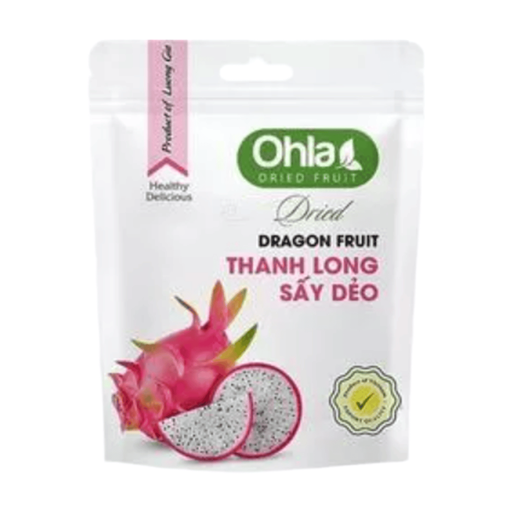
OHLA dried dragon fruit, 180 g
A good choice if you’re looking for a dried fruit snack without nuts.
Protein: 5 g per 100 g.
Sugars: 57.5 g per 100 g.
Energy: 375 kcal per 100 g.
View product at Joybuy
 No image available
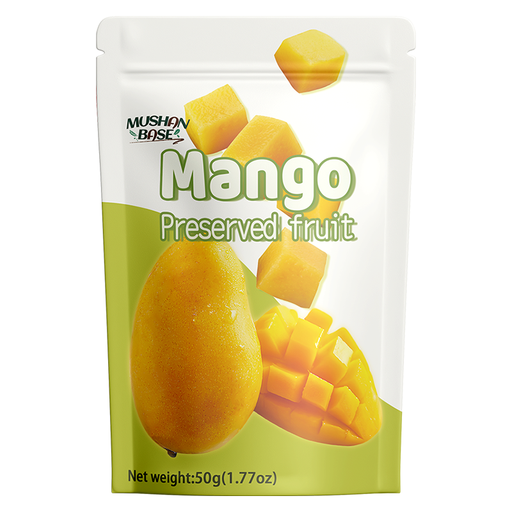
MUSHAN BASE dried mango, 50 g
A good choice if you’re looking for an individually packed fruity snack to take with you.
Protein: 1.0 g per 100 g.
Sugars: 36.3 g per 100 g.
Contains sulphites.
View product at Joybuy
 No image available
PHILIPPINE BRAND dried mango, 100 g
A good choice if you’re looking for individually portioned dried mango to take with you.
Protein: 2 g per 100 g.
Sugars: 56 g per 100 g.
Contains sulphites.
View product at Joybuy
Frequently asked questions
Do you automatically need extra protein products if you exercise on holiday?
No, exercising doesn’t automatically mean you need them. The Netherlands Nutrition Centre distinguishes between recreational exercise and intensive strength or endurance training. Even if your needs are higher, you may already be getting enough protein from your usual diet.
Can you store dried apricots in a warm holiday bag?
That doesn’t follow the Netherlands Nutrition Centre’s storage advice: keep dried apricots in a cool, dry, dark place in a tightly sealed container. For the pack you’ve chosen, also follow the instructions and use-by date on the label.
Does the same storage advice apply to home-dried fruit?
No. The Netherlands Nutrition Centre recommends keeping home-dried fruit in an airtight container or bag for a few days, or freezing it in portions. Don’t apply the storage period for commercial dried apricots to fruit you’ve dried at home.
Where can you check allergens in prepacked dried fruit?
Check the allergen information on the label of the exact pack. According to the Netherlands Food and Consumer Product Safety Authority, allergen information for prepacked products must appear on the label. For fruit and nut mixes, pay particular attention to the ingredients and any warnings listed.
Can you call dried fruit ‘high in protein’ based on its product name?
A product name or search term doesn’t substantiate that claim. The Netherlands Food and Consumer Product Safety Authority says voluntary food information must not be misleading, confusing or ambiguous. The European Commission explains that nutrition claims are only permitted when they are listed in the Annex to Regulation (EC) No 1924/2006. So check the exact product information and the relevant requirements.


