What should you look for when buying?
First, decide whether the fruit itself needs to provide protein. Then choose a portion size and check what’s needed for a shared snack stash.
| What to consider |
What should you look for? |
Who is this most relevant for? |
| Protein per snack portion |
Compare protein per 100 g and per portion you actually eat. Use the nutrition table for the exact product. |
If I want a snack around my training, I want to know how much protein the whole portion provides. Around 42% of consumers putting together this office snack stash prioritise protein content. |
| Portion size and sugars |
Check the values for your portion and look at the ingredients to see whether sugar has been added. |
If the snack tin is always within reach, I want to be able to gauge how much I’m eating with my coffee. Around 25% of consumers prioritise portion control above all else. |
| Allergens for colleagues |
Read the ingredients, highlighted allergens and any warnings on the current packaging. |
If I’m buying for several colleagues, I want to know what product information applies to the snack. Around 17% of consumers prioritise allergen information that can be checked. |
| Stock and storage |
Choose a pack size that matches how quickly it will be used, and follow the storage advice on the packaging. |
If I’m managing the stock, I want packaging that suits how it will be used and the storage space available. Around 16% of consumers prioritise suitable stock management and costs. |
Products at Joybuy
These product options include dried fruit and fruit and nut combinations for a shared snack stash. Before choosing, check the nutrition and allergen information for the exact product.
 Image unavailable
Zohra Medjool-dadels (M), 908 g
An option if you’re looking for plain dried fruit for the office stash.
The product name lists Medjool dates, size M and a weight of 908 g.
View at Joybuy
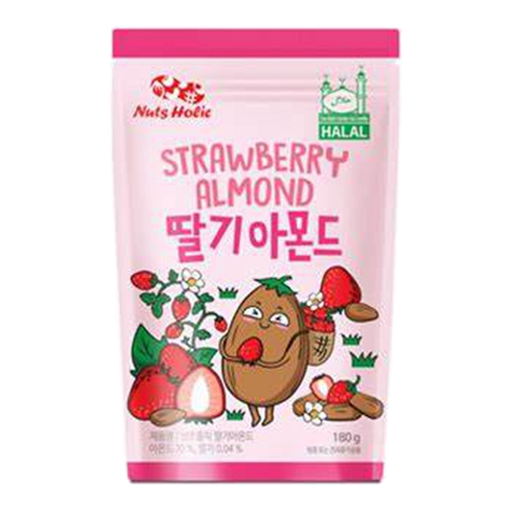 Image unavailable
Nutsholic Almond Strawberry Fl, 180 g
Worth a look if you’re after a combination of almonds and strawberries.
The product name lists almonds, strawberries and a weight of 180 g. Check the ingredients and allergen information in the product details.
View at Joybuy
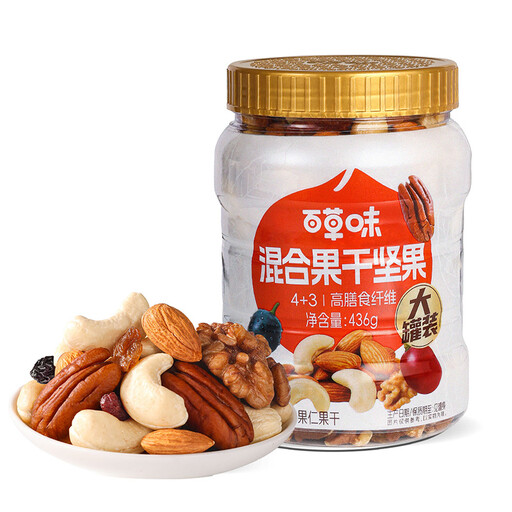 Image unavailable
BE&CHEERY mixed nuts and dried fruit, 436 g (4+3)
A ready-made mix to consider if you’re looking for nuts and dried fruit together.
The product name lists a mix of nuts and dried fruit. Check the exact ingredients and allergen information for everyone sharing the stash.
View at Joybuy
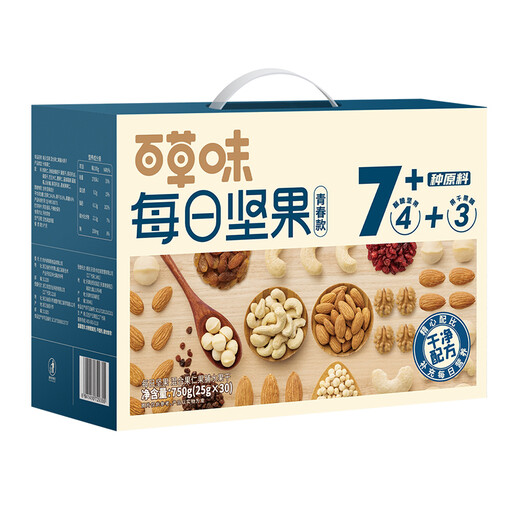 Image unavailable
BE&CHEERY Daily Mixed Nuts and Dried Fruits, 750 g
An option if you’re looking for a mix of nuts and dried fruit for a shared snack stash.
The product name lists a weight of 750 g. Check the ingredients and allergen information on the current product packaging.
View at Joybuy
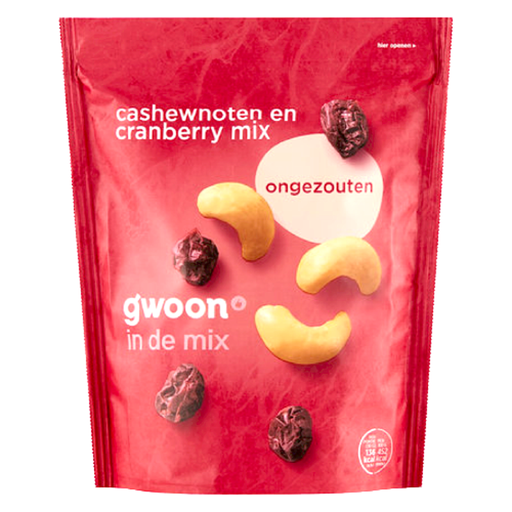 Image unavailable
g'woon Cashew Nut Cranberry Mix, 200 g
Worth a look if you’re after a mix of cashews and cranberries.
The product name lists cashews, cranberries and a weight of 200 g. Check the ingredients and any ‘may contain’ warnings in the product information.
View at Joybuy
Frequently asked questions
Do you automatically need to buy a protein bar or shake if you’re a sportsperson?
No, not automatically. The Netherlands Nutrition Centre says that most sportspeople who eat a healthy, varied diet don’t need special protein shakes or bars. That doesn’t make a small portion of fruit high in protein; consider the snack as part of your overall diet.
How can I check whether dried fruit fits my protein goal?
Check the protein value in the nutrition table for the exact product, then calculate it for the portion you actually eat. The Netherlands Nutrition Centre’s general table lists 0.4 g of protein in one 9 g dried apricot; this isn’t the label value for a specific pack.
Can a product simply be described as ‘high in protein’?
A product name or sales page alone doesn’t prove that a nutrition claim meets the requirements. The European Commission explains that nutrition claims are only permitted if they appear in the Annex to Regulation (EC) No 1924/2006 and meet the relevant conditions. The NVWA refers to the European rules and the Handbook on Nutrition and Health Claims.
Can you apply the storage period for dried mixed fruit to all dried fruit?
No, follow the advice for the product you have. For opened dried mixed fruit, the Netherlands Nutrition Centre gives a storage period of 6–9 months in a kitchen cupboard. Don’t automatically apply this period to soaked fruit, homemade mixes or products with other ingredients.
Does ‘store in a cool place’ mean the same as ‘keep refrigerated’?
No. According to the Netherlands Nutrition Centre, ‘store in a cool place’ means somewhere cool, dark and dry, at 15–20 °C. Products labelled ‘keep refrigerated’ belong in the fridge; the Netherlands Nutrition Centre advises setting your fridge to 4 °C. Check the instructions for storage after opening too.
What allergen information should I check for a shared snack stash?
Check the allergen information on the packaging of the exact product. The NVWA says this information should appear on the label of prepacked products; nuts, peanuts, milk and sulphites may all be relevant. So if you transfer snacks into an office container, keep the original product information too.


