Use dried fruit as a small addition to your lunch, rather than automatically treating it as your main protein source. The Netherlands Nutrition Centre gives 0.4 g of protein for one 9 g dried apricot; this is a general figure, not a brand-specific value from a product label. If you want to build your lunch around protein, start with a suitable source such as dairy, eggs, tofu or pulses, then choose your fruit based on portion size, ingredients and convenience.
Who is this for?
People who train and have lunch at home
You do strength or endurance training and want to know whether dried fruit makes a meaningful contribution to a protein-focused lunch. It helps to distinguish fruit as an accompaniment from the meal's protein source.
People working from home who prepare portions in advance
You want to have a small fruit accompaniment ready and are keeping an eye on portion size, added sugar and how to store the pack once opened.
People who need to consider allergens
Your choice may depend on sulphites or allergens in the combination, such as milk, soya, nuts or peanuts. Check the current label for both the fruit and the other lunch ingredients.
What should you look for when choosing?
Fruit as a separate accompaniment
A good fit when: the rest of your lunch already includes a protein source and you simply want to add something fruity.
Bear in mind: each dried apricot provides only a small amount of protein; the Netherlands Nutrition Centre gives 0.4 g per 9 g piece.
Pairing fruit with a protein source
A good fit when: you also plan your lunch around your protein intake for strength or endurance training.
Bear in mind: the protein contribution depends on all the ingredients, so check for allergens in both the fruit and your chosen base.
| What to consider |
What to look for when buying |
Who this is for |
| Protein contribution |
Compare nutritional values on the same basis and calculate them for your own portion. Also check which protein source the rest of your lunch contains. |
If you want to know how much protein the fruit actually adds and are planning a lunch around exercise, consider the whole meal. Around 39% of consumers prioritise protein contribution. |
| Portion size and sugars |
Check the ingredients for added sugar and look at the sugar content per 100 g as well as per portion. The Netherlands Nutrition Centre recommends a maximum of 20 g of dried fruit per day; this is dietary advice, not a legal purchasing limit. |
If you want a measured fruit accompaniment with no added sugar, check both the ingredients and your portion size. Around 23% of consumers give portion size and sugar the highest priority. |
| Convenience and storage |
Read the storage advice for the specific product and check whether the pack can be sealed securely after opening. |
If you prepare lunches in advance, consider how easy the fruit is to portion and store. Around 15% of consumers mainly choose based on lunch-time convenience and storage. |
| Pack size |
Check the net weight and think about how much you will actually use. A larger pack needs to be sealed and stored carefully. |
If you want a pack that suits how often you have lunch at home, consider whether you can use the amount in good time. Around 15% of consumers mainly look for a suitable pack size. |
| Sulphites and allergens |
Check the label for sulphites and any other allergens relevant to you; assess the lunch base separately. |
If an allergy or sensitivity affects your choice, check every part of your lunch separately. Around 8% of consumers prioritise allergens above all else. |
Common pitfalls
-
Treating dried fruit as your main protein source
In the Netherlands Nutrition Centre's general example, one 9 g dried apricot contains 0.4 g of protein and 5 g of sugars. So, while it contains some protein, that doesn't make it the main protein source in your lunch.
First check which protein source your meal contains, then use the fruit as a separately portioned accompaniment.
-
Confusing ‘no added sugar’ with ‘sugar-free’
Dried fruit contains sugars even when no sugar has been added. The ingredients list and nutrition table answer different questions.
Check both and decide in advance how much fruit to have with lunch.
-
Choosing a larger pack without considering storage
The Netherlands Nutrition Centre's Storage Guide recommends keeping dried apricots in a cool, dry, dark place in a tightly sealed container. Also follow the instructions on the pack for your specific product.
Choose an amount that suits how you use it and seal the pack securely after opening.
-
Checking only the fruit in a lunch combination
Sulphites may be added to dried fruit. Your chosen protein source may also contain allergens that are relevant to you.
Check the ingredients and allergen information for each item separately.
Brands to consider
Albert Heijn
AH Soaked Dried Apricots are an example of soaked apricots as a fruit accompaniment, as listed on Albert Heijn's product page.
- The product listing confirms that these are soaked, dried apricots.
- The product format alone says nothing about a higher protein contribution.
Jumbo
Jumbo's range page lists sultanas in a choice of pack sizes.
- Jumbo lists 250 g, 500 g and 750 g packs, as well as a 250 g organic option.
- Pack size and an organic label do not indicate a higher protein content.
Lidl
Lidl presents Alesto as a range that includes dried fruit; its page features dried mango strips.
- The range includes examples of dried fruit for home or work.
- Marketing descriptions are not evidence of a protein claim or an independent taste assessment.
ALDI
ALDI Netherlands lists Trader Joe's sun-dried apricots in a 250 g pack.
- The product description says the apricots are soft.
- That description does not substantiate a protein claim or a benefit for sports recovery.
PLUS
The PLUS product page lists dried apricots in a 375 g stand-up pouch.
- The product page confirms the packaging and net weight.
- The pack format says nothing about its protein contribution.
Dirk
Dirk lists pitted apricots in its dried fruit and nuts range.
- The pitted label describes a practical product feature.
- This feature is not a nutritional claim.
Dried fruit at Joybuy
This Joybuy selection features dried fruit that you can pair with a separate protein source as part of your lunch.
 No image available
OHLA Dried Guava 180 g
Works as a fruit accompaniment alongside a separate protein source; the listed nutritional information gives 1.27 g of protein per 100 g.
The ingredients list guava, sugar and a preservative. The pack contains 180 g; keep it tightly sealed after opening.
View at Joybuy
 No image available
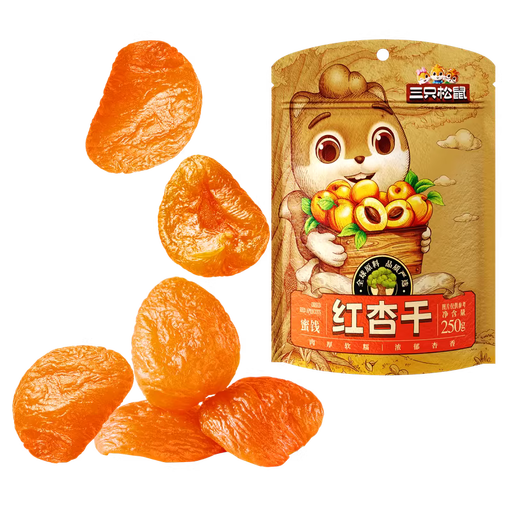
Three Squirrels Red Apricot Dried, 250g
Convenient as a fruit accompaniment with no preparation needed; the listed nutritional information gives 1.1 g of protein per 100 g.
The ingredients list sugar and maltose syrup; the product contains sulphites. The pack contains 250 g.
View at Joybuy
 No image available
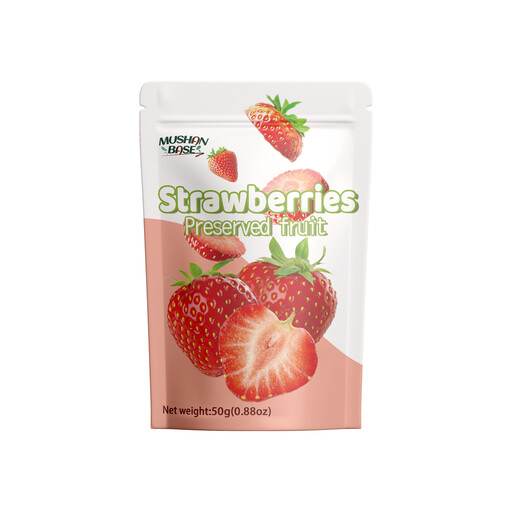
MUSHAN BASE Dried Strawberry Slices 50g
Can be added to a lunch prepared in advance; the listed nutritional information gives 1.2 g of protein per 100 g.
The ingredients list sugar. The pack contains 50 g, is resealable and the product is ready to eat.
View at Joybuy
Frequently asked questions
Do you need to buy a special protein snack with your lunch for sport and recovery?
Not necessarily. According to the Netherlands Nutrition Centre, most people who exercise do not need special protein shakes or bars if they eat a varied diet, although your protein needs may be higher if you do strength or endurance training.
How should you store dried apricots after opening?
The Netherlands Nutrition Centre's Storage Guide recommends keeping dried apricots in a cool, dry, dark place in a tightly sealed container. Also follow the instructions on the pack for the specific product.
Can you have a whole bag as your fruit portion with lunch?
The Netherlands Nutrition Centre recommends a maximum of 20 g of dried fruit per day. This is dietary advice, not a legal limit; use it as a guide when measuring out a portion in advance.
What allergen information must appear on pre-packed dried fruit?
According to the Netherlands Food and Consumer Product Safety Authority, allergen information must appear on the label of pre-packed products. Also check information about sulphites and any other allergens relevant to you in fruit mixes and your chosen lunch base.
Can you use the same delivery option with all the supermarket chains mentioned?
No, delivery options vary by retailer. The PLUS product page lists home delivery or collection; Dirk says on its product page that it does not offer a delivery service.


