Who is this guide for?

Lunch-makers mindful of protein

You want to know how much protein your portion of dried fruit actually adds, rather than relying on a claim on the packaging. Nutrition information from Albert Heijn, PLUS and Jumbo makes it possible to compare products by portion.

Parents of children who play sport

You’re looking for a suitable holiday lunch without assuming that everyday activity means your child needs special post-exercise recovery food. The Netherlands Nutrition Centre says an hour of exercise a day is part of a child’s usual activity levels.

Lunch-makers on the go

You take fruit or a packed lunch with you and want to follow the storage instructions for the exact product. For example, soaked apricots may need to be stored differently after opening from raisins.

What should you look for when choosing?

Plain dried fruit

A good fit if: you’re mainly looking for a fruity addition and get protein from other parts of your lunch.

Bear in mind: a small portion provides only a little protein; check the nutrition information on the exact product.

Fruit with a separate source of protein

A good fit if: the overall balance of your lunch matters more than what the fruit contributes on its own. Consider a separate lunch item such as dairy, eggs, pulses, or a soya- or pea-based alternative.

Bear in mind: perishable combinations need to be kept chilled, and both items must be suitable for the person eating them, including with regard to allergens.

Nut and raisin mix

A good fit if: you’re looking for a ready-made combination of fruit and nuts, and nuts are suitable for the person eating it.

Bear in mind: this isn’t plain fruit. The specific AH mix contains several types of nuts and sulphites, and carries a warning about choking in young children.

What to consider What should you check? Who should pay particular attention?
Protein per portion Check the grams of protein per 100 g and work out how much that is for your own portion. If I want to know what my portion of fruit actually adds to lunch, I look at the grams per portion; around 36% of consumers put this protein contribution first.
A portion for a child Take regular meals and the amount of dried fruit into account. The Netherlands Nutrition Centre recommends a maximum of 20 g of dried fruit a day; this is dietary advice. When I’m putting together a usual lunch for a child on an active day, I want to keep the portion appropriate without automatically treating sport as a reason to eat extra; around 29% of consumers prioritise a child-sized portion.
Storing food on the go Read the instructions for storage before and after opening, and consider how you’ll store the whole lunch while travelling. If my lunch needs to last all day, I want the storage instructions to suit the options I have for transporting it; around 21% of consumers look at this first.
Allergens and texture Check the current packaging for allergens and possible cross-contamination; for young children, consider the texture too. If an allergy or the suitability of the texture for the person eating it is a deciding factor, I check the label before choosing; around 14% of consumers make this their first selection criterion.

Common pitfalls when choosing

  • Thinking of dried fruit as your entire source of protein

    The three pure fruit products checked provide around 0.5 to 0.8 g of protein in a 20 g portion. So a nutrition figure per 100 g doesn’t immediately show how much protein your portion provides.

    Weigh or estimate the portion you’ll actually take with you, then assess the whole lunch, not just the fruit.

  • Assuming all dried fruit should be stored in the same way

    Storage instructions vary by product. AH Gewelde gedroogde abrikozen should be kept chilled after opening; for highly perishable food, the Netherlands Nutrition Centre recommends leaving it out of the fridge for no more than two hours.

    Check the label before buying, and consider whether you can store your lunch according to the instructions during your day out.

    Products that need to be kept chilled may also need to be transported in a cool bag.

  • Treating a nut and fruit mix as plain dried fruit

    AH Noten rozijnen mix ongebrand has a different composition from plain fruit. It lists several types of nuts and sulphites, and carries a warning about choking in young children.

    Consider the mix as a separate product choice, and check that its ingredients and texture are suitable for everyone sharing it.

Brands and product ranges for reference

Albert Heijn

The examples checked include both plain apricots and a nut and raisin mix; the product information applies to those specific products.

  • According to Albert Heijn, AH Gewelde gedroogde abrikozen contains 4 g of protein per 100 g. The product information says to refrigerate after opening, at a maximum of 7 °C.
  • According to Albert Heijn, AH Noten rozijnen mix ongebrand contains 12 g of protein per 100 g. It’s a separate mix of nuts and raisins, not plain fruit.
  • The apricots and the mix list sulphites; the mix also lists several nut allergens and carries a warning about choking in young children.

Jumbo

Jumbo Blauwe Rozijnen 250 g is a simple fruit product that you can assess by checking its nutrition information and ingredients.

  • Jumbo lists 2.5 g of protein per 100 g, and raisins make up 99.5% of the ingredients.
  • The allergen information mentions sulphites and the possible presence of other allergens. Check the current packaging if allergens are a concern.

Lidl

The Dutch Alesto range includes dried fruit and nuts, including dried mango strips.

  • The range page is a useful starting point if you’re looking for dried mango; check the ingredients and nutrition information on the exact product.

ALDI

ALDI lists TRADER JOE'S Rozijnen as dried grapes in a 500 g pack.

  • The product information confirms the product type and pack weight; check the nutrition information and ingredients on the packaging.

PLUS

PLUS Gedroogde abrikozen Per Stazak 375 g is an example of an apricot-based product.

  • PLUS lists 3.4 g of protein per 100 g for the product as sold.
  • The product information lists sulphite as a preservative. The nutrition information is for the product as sold.

Dirk

The Dutch category page includes dried figs, prunes, dates and apricots.

  • Use the packaging for your chosen product to check its ingredients, nutrition information and any allergens.

Dried fruit at Joybuy

These products are options for a fruity addition to your lunch. Assess their protein contribution using the nutrition information provided and the size of your own portion.
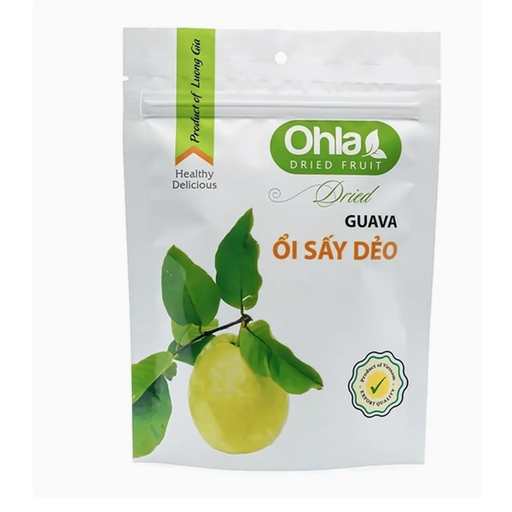
OHLA dried guava 180 g

OHLA Dried Guava 180g

Works as a fruity addition or ingredient; the product description suggests using it as a snack or in dishes.

The product description lists 1.27 g of protein per 100 g. A 20 g portion therefore provides around 0.25 g of protein.

The product description lists 95% guava, added sugar and a preservative.

View at Joybuy
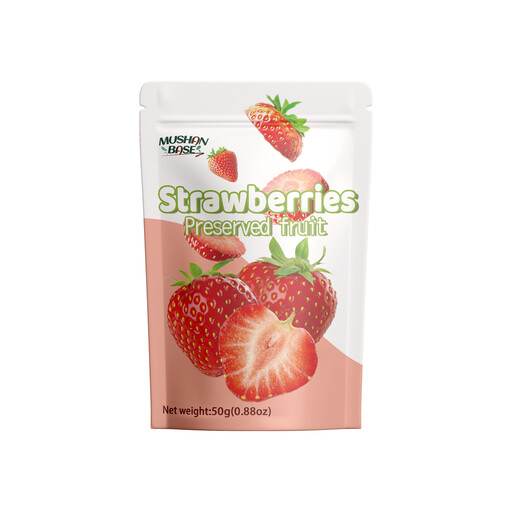
MUSHAN BASE dried strawberry slices 50 g

MUSHAN BASE Dried Strawberry Slices 50g

Works as a fruity addition or as a topping for yoghurt and desserts, as suggested in the product description.

The product description lists 1.2 g of protein per 100 g. A 20 g portion therefore provides around 0.24 g of protein.

The product description lists sugar as an ingredient.

View at Joybuy

Frequently asked questions

Does my child need a special high-protein snack after an hour of exercise?

Not automatically. The Netherlands Nutrition Centre says an hour of exercise a day is part of a child’s usual activity levels; eating during or after exercise isn’t always necessary. If your child is hungry, the Netherlands Nutrition Centre suggests vegetables or fruit as a suitable choice.

Is the serving size on the packaging the same as the dietary recommendation?

No. Albert Heijn lists a 50 g product portion for AH Gewelde gedroogde abrikozen, while the Netherlands Nutrition Centre recommends a maximum of 20 g of dried fruit a day. So a serving size on a label isn’t the same as personal dietary advice.

How should I store an opened pack of dried fruit?

Follow the advice for the exact product. AH Gewelde gedroogde abrikozen should be refrigerated after opening, at a maximum of 7 °C; PLUS Gedroogde abrikozen and Jumbo Blauwe Rozijnen say to store in a cool, dry, dark place.

Where can I check the allergens in pre-packed dried fruit?

Check the current packaging for the specific product. The Netherlands Food and Consumer Product Safety Authority says allergen information must be shown on the label of pre-packed products. This is important because some varieties may contain sulphites or nuts, for example.

How can I check for changes to ingredients or product information?

Check the packaging of the product you buy. Albert Heijn and PLUS recommend reading the product information again, as ingredients and information can change.
