
Protein-conscious sports enthusiasts
You’re looking for a snack to have around your training and want to know how much protein you’re actually getting. Check the whole portion and the label, rather than relying on a sporty product name.


Think of dried fruit primarily as a fruit component, not automatically as your main source of protein. According to the Netherlands Nutrition Centre, one dried apricot weighing 9 grams contains an average of 0.4 grams of protein. If you want your snack to be mainly a source of protein, check the whole portion and add a separate source of protein if needed. Choose according to the ingredients and storage instructions too, especially if you’re taking something chilled with you.
You’re looking for a snack to have around your training and want to know how much protein you’re actually getting. Check the whole portion and the label, rather than relying on a sporty product name.
You want to take fruit with you without carrying chilled dairy products. For ordinary dried apricots, the Netherlands Nutrition Centre recommends storing them in a cool, dry, dark place in a well-sealed container. Check the label for other varieties.
You want to take a measured portion with you and keep an eye on sugar and ingredients. The Netherlands Nutrition Centre recommends eating no more than 20 grams of dried fruit a day; this is dietary advice, not a legal limit on purchases.
A good fit if: you’re mainly looking for a fruit component that’s easy to take with you, and get your protein at other meals.
Consider: according to general data from the Netherlands Nutrition Centre, dried apricots provide little protein per piece; this is not brand-specific nutritional information.
A good fit if: you want to combine your fruit with something like nuts.
Consider: check the nutritional information and allergens for the whole combination; a fruit and nut mix isn’t automatically a high-protein snack.
A good fit if: you’re using dairy as a separate source of protein and can keep it chilled while you’re out.
Consider: the protein content depends on the type and portion of dairy; chilled products need to be kept at the right temperature.
First, choose according to the protein content of the portion you’ll actually eat and how you can store the snack. Then check the ingredients, allergen information and portion size on the exact product packaging.
| What to consider | What should you check? | Who is this important to? |
|---|---|---|
| Protein in your portion | Check the protein per 100 grams and calculate it for the portion you’ll actually eat. The Netherlands Nutrition Centre states that one dried apricot weighing 9 grams contains an average of 0.4 grams of protein. | If I’m focusing mainly on protein around my training, I want to know what my whole snack provides. Around 33% of consumers put protein content first. |
| Taking it with you and storage | Check the storage instructions for the exact variety and seal the pack or portion well. Keep chilled additions cold according to their storage instructions; the Netherlands Nutrition Centre recommends a fridge temperature of 4 °C. | If you want to take a snack in your gym bag without refrigeration, transport and storage matter most; around 27% of consumers prioritise this. |
| Sugar and portion size | Read the ingredients and nutrition table together. The general Netherlands Nutrition Centre table lists 5 grams of sugars per dried apricot weighing 9 grams; its recommendation for dried fruit is no more than 20 grams a day. | If I want to keep track of my portion and sugar intake, I check the ingredients and how much I’m taking with me. Around 20% of consumers put this consideration first. |
| Allergens and sulphites | Check the ingredients list, allergen information and warnings on the exact product packaging; sulphites and, for example, nuts are separate considerations. | For consumers who need to take a relevant allergy or sensitivity to sulphites into account, checking the exact packaging is important; around 13% prioritise suitability. |
| Packaging and ease of purchase | Compare the net weight with the portions you’re planning and check the current price per kilogram and your preferred place to buy. | If I’m mainly looking for a suitable pack and a convenient way to buy it, these practical choices matter too; around 7% of consumers put them first. |
A sporty name doesn’t tell you how much protein is in your portion. According to the Netherlands Nutrition Centre, one piece (9 grams) of dried apricots in a standard portion provides 0.4 grams of protein; this isn’t a product specification for a supermarket variety.
Compare protein per 100 grams and per portion, and assess the whole snack if protein is your main priority.
Fruit with no added sugar can still contain naturally occurring sugars. The general Netherlands Nutrition Centre table lists 5 grams of sugars per dried apricot weighing 9 grams.
Read the ingredients list alongside the nutrition table and decide in advance how much you want to take with you.
Dried fruit and a perishable addition don’t have the same storage requirements. The Netherlands Nutrition Centre recommends keeping your fridge at 4 °C.
Follow the storage instructions for each component, and only take dairy with you if you can keep it at the required temperature.
The additions can affect the nutritional value and which allergen information is relevant.
Check the ingredients, allergen information and nutrition table for the whole mix.
The range includes dried fruit and fruit and nut mixes, including AH Organic dried & unsweetened pineapple.
Jumbo lists dried pitted apricots in a 250 g pack.
The Alesto range includes nuts, dried fruit and snacks; Lidl lists dried mango strips, among other products.
Aldi lists Trader Joe's sun-dried apricots in a 250 g pack.
PLUS lists dried apricots in a 375 g stand-up pouch and offers delivery or collection.
Dirk lists pitted apricots in its range.
These products are dried fruit options for adding a fruit component to a snack. For each variety, check the nutritional information, ingredients and portion size if protein is your main priority.
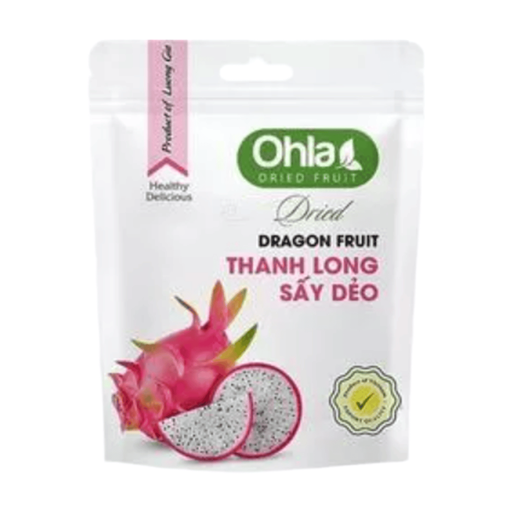 No image available
The product information recommends storing it in a cool, dry place and sealing the pack well after opening.
 No image available
The product name specifies dried mango in a 100 g pack; if you want to assess its protein content, check the nutritional information for this variety.
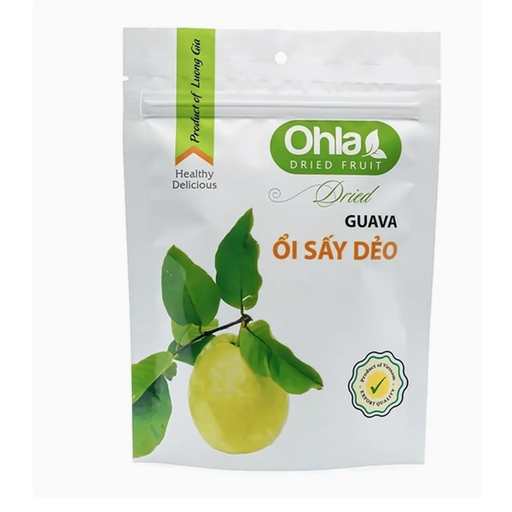 No image available
The product information lists 1.27 g of protein per 100 g, with sugar and a preservative among the ingredients. The amount per portion depends on how much you eat.
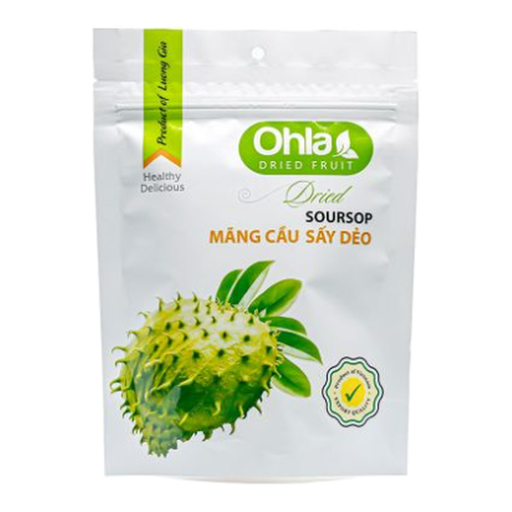 No image available
The product information lists 2.25 g of protein per 100 g, with white sugar, glucose and sodium metabisulphite among the ingredients. Check these ingredients when assessing your portion.
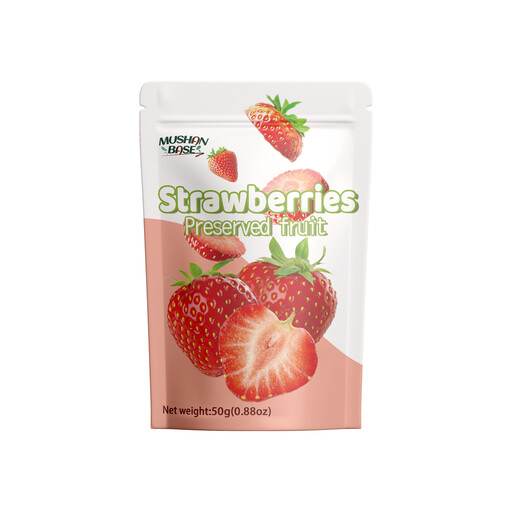 No image available
The product information lists 1.2 g of protein per 100 g, with sugar as an ingredient. After opening, the product information recommends sealing the pack well.
No. According to the Netherlands Nutrition Centre, most sports enthusiasts don’t need special protein shakes or bars if they eat a healthy, varied diet. Assess your overall diet rather than focusing on one snack.
Only compare the same quantity and the same product state. The Netherlands Nutrition Centre lists 0.4 grams of protein per dried apricot weighing 9 grams and 2 grams per 70-gram bowl of dried, soaked apricots. These are different portions, so they aren’t directly comparable or brand-specific label values.
Store ordinary dried apricots in a cool, dry, dark place in a well-sealed container, following the general advice from the Netherlands Nutrition Centre. Also follow the storage instructions and best-before date on the exact pack; don’t automatically apply this advice to a soaked variety or a snack with dairy.
No. Sulphites and nuts are different substances, so check the packaging for each separately. The Food Allergy Foundation describes a reaction to sulphites as an intolerance reaction, not an allergic reaction.
Nutrition claims can’t be used arbitrarily: nutrition and health claims must comply with European rules. The Netherlands Food and Consumer Product Safety Authority also states that voluntary food information must not be misleading, confusing or ambiguous. A sporty presentation doesn’t prove that a product meets the requirements for a protein claim.