Who is this advice for?

Protein-conscious hosts

You want to know how much protein is actually in the portion you’re serving. The Netherlands Nutrition Centre recommends dried fruit as the fruit component; add a separate protein source if you want to boost the protein content.

Hosts catering for guests with dietary requirements

You want to check ingredients and allergens before serving fruit, nuts or dairy. The Netherlands Food and Consumer Product Safety Authority explains which allergens must be listed on prepacked product labels.

Portion-conscious snack buyers

You want to offer a fruity snack without losing sight of how much you’re serving. The Netherlands Nutrition Centre recommends taking portion size and nutritional information into account when making your choice.

What should you look for when choosing?

Plain dried fruit

Choose this when: you mainly want to serve fruit as part of your spread.

Bear in mind: fruit on its own is not a substitute for a separate protein source.

Fruit with dairy

Choose this when: quark or yoghurt suits your guests and you’d also like to serve a source of protein.

Bear in mind: milk is an allergen, so check the labels and portion sizes of the products you choose.

Fruit with a plant-based protein source

Choose this when: you want to offer a separate protein component without dairy, such as nuts, tofu or beans.

Bear in mind: nuts and soya are allergens; a plant-based combination isn’t automatically allergen-free.

What to consider What should you look for? Who is this important for?
Protein per portion Compare the protein information for the portion you’re serving; assess the fruit and any protein source separately. If I want to offer protein with the snacks after exercise, I want to know what each component contributes. Around 40% of consumers prioritise protein content.
Sugars and portion size Check the sugars per portion and consider how much you’ll put on the platter. If I want to keep track of how much dried fruit I serve, I also check the sugars per portion. Around 20% of consumers prioritise sugar and portion size.
Ingredients and allergens Check the ingredients and allergens in each product, especially in fruit-and-nut mixes or combinations with dairy. When I’m hosting different guests, I want to know which ingredients and allergens are in each product I choose. Around 20% of consumers prioritise checking this information.
Packaging and leftovers Choose packaging that suits the amount you want to serve, and follow the storage instructions on the pack. If I want to keep preparation and leftovers simple, I look at the quantity and whether the fruit is pitted. Around 20% of consumers prioritise serving convenience and packaging.

Common buying mistakes

  • Assuming dried fruit is a high-protein snack

    The Netherlands Nutrition Centre’s general table lists 0.4 g of protein per 9 g dried apricot. This figure doesn’t tell you how much protein is in a specific shop-bought product, nor does it substantiate a claim about that product.

    Compare the nutritional information for the portion you’re serving and assess any separate protein source on its own. Don’t attribute the protein in nuts or dairy to the fruit.

  • Taking ‘no added sugars’ to mean sugar-free

    According to the Netherlands Nutrition Centre, this claim doesn’t rule out naturally occurring sugars. So the claim alone doesn’t tell you how much sugar is in a portion.

    Check the ingredients and nutrition table, and make the amount you’re serving clear. The Netherlands Nutrition Centre recommends a maximum of 20 g of dried fruit a day; this is dietary advice, not a legal limit on purchases.

  • Assuming a fruit mix is suitable for every guest

    A mix may contain different ingredients and allergens from plain dried fruit. The Netherlands Food and Consumer Product Safety Authority lists nuts, peanuts, milk, soya and sulphites among the allergens that must be declared on prepacked products.

    Ask about dietary requirements and check the packaging of every product you choose separately.

Supermarket chains to consider

Albert Heijn

Albert Heijn lists both plain dried fruit and fruit-and-nut combinations, including a blueberry and cashew mix and an organic mix with raisins, pineapple, mango and almonds.

  • These combinations offer a range of options for a sharing platter.
  • The presence of nuts in a mix doesn’t prove that the product meets a protein claim; check the full ingredients list and nutritional information.

Jumbo

Jumbo lists different types of dried fruit and pack sizes, including 250 g of pitted dried apricots.

  • The pitted variety is a useful feature to consider when serving.
  • The product listing doesn’t rank products by their protein content.

Lidl

Lidl has a Dutch product listing for dried tropical fruit.

  • The listing gives you a starting point for exploring this product category at Lidl.
  • A category listing alone doesn’t tell you the protein content or nutritional value of a specific product.

Aldi

ALDI Netherlands lists TRADER JOE'S Sun-Dried Prunes, 250 g. The retailer describes the prunes as soft and pitted.

  • The retailer’s description highlights a pitted variety that may be practical to serve.
  • ‘Soft’ is ALDI’s product description, not an independent taste or texture test, and it doesn’t substantiate a protein claim.

PLUS

PLUS lists dried apricots in a 375 g stand-up pouch.

  • The pack size can help you match the quantity to your get-together.
  • PLUS recommends checking the packaging, as product information can change. The pack size isn’t a recommended portion.

Dirk

Dirk lists pitted apricots as a dried-fruit product.

  • The product listing confirms that a pitted fruit option is available.
  • Dirk doesn’t list a delivery service, so plan to visit a shop when you make your purchase.

Dried fruit at Joybuy

These products are intended as the fruit component for a get-together. Choose a separate protein source if you’d also like to serve protein.
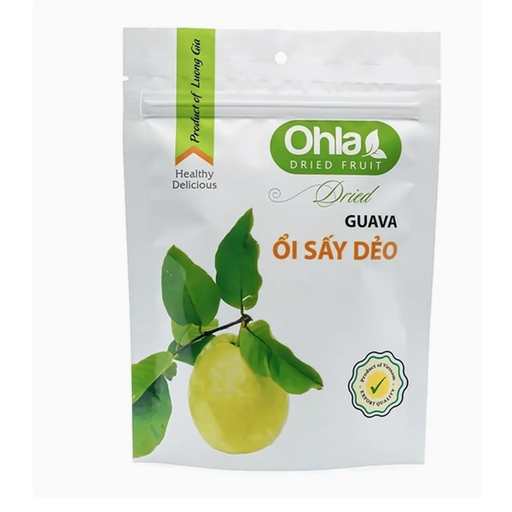
OHLA Dried Guava 180g

OHLA Dried Guava 180g

Dried guava is a fruit option for anyone who wants to serve fruit as part of their spread.

The product description lists 95% guava, sugar and a preservative; the pack contains 180 g.

View at Joybuy

Haoxiangni Pitted Jujubes 500g

Haoxiangni Pitted Jujubes 500g

These pitted red dates are a good fit for a get-together where you want to serve dried fruit straight from the pack.

The ingredients list states 100% red dates, and the description says they’re pitted. The pack contains 500 g.

View at Joybuy
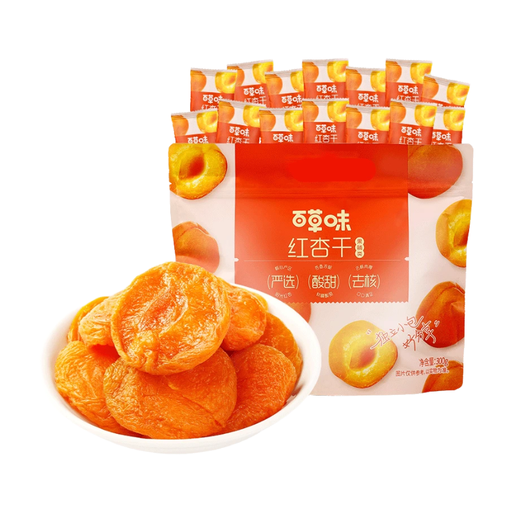
Be&Cheery Dried Red Apricots 300g

Be&Cheery Dried Red Apricots 300g

These dried apricots are a good choice if you want to serve apricots as the fruit component.

The ingredients list includes apricot, sugar and maltose syrup; sulphites are listed as an allergen. The pack contains 300 g.

View at Joybuy
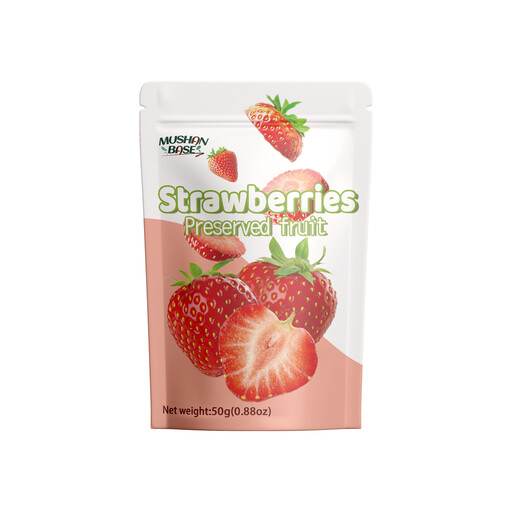
MUSHAN BASE Dried Strawberry Slices 50g

MUSHAN BASE Dried Strawberry Slices 50g

Dried strawberries are a fruity option for anyone who wants to serve strawberries as part of their spread.

The ingredients list includes dried strawberries and sugar. The pack contains 50 g.

View at Joybuy
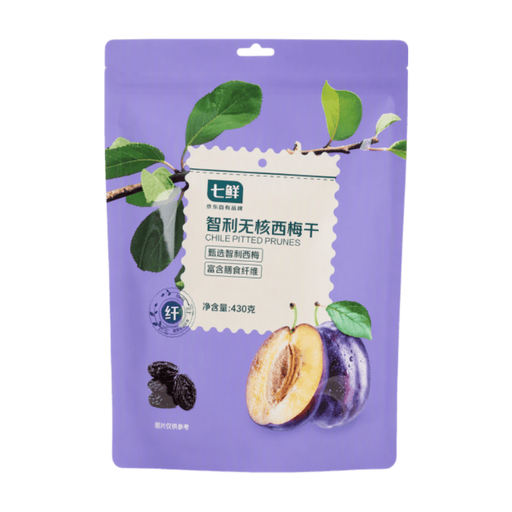
7FRESH Pitted Prunes 430g

7FRESH Pitted Prunes 430g

These pitted prunes are a good choice if you want to serve prunes as the fruit component.

The product description states that they’re pitted; the pack contains 430 g.

View at Joybuy

Frequently asked questions

Does every guest need extra protein just because the get-together is after exercise?

No. The timing of a get-together alone doesn’t determine whether someone needs extra protein. The Netherlands Nutrition Centre discusses protein in relation to exercise demands and lists everyday foods as possible additions.

Does ‘no added sugars’ mean the same as sugar-free?

No. According to the Netherlands Nutrition Centre, ‘no added sugars’ doesn’t rule out naturally occurring sugars. So check the nutrition table too.

Which information should I follow if the packaging differs from the online product information?

Check the current packaging before eating the product. PLUS warns that ingredients, nutritional values and allergen information can change.

How should I store leftover dried apricots?

Keep them in a cool, dry, dark place in a tightly sealed container, and follow any different instructions on the packaging. For a general opened product, the Netherlands Nutrition Centre recommends storing it in a kitchen cupboard for 6–9 months to maintain quality.

Which allergens should I check in prepacked products?

Check the allergen information on the label of every prepacked product. The Netherlands Food and Consumer Product Safety Authority lists nuts, peanuts, milk, soya and sulphites among the allergens; which ones are relevant depends on the ingredients you choose.

When can a product be described as ‘high protein’?

A product can’t make this kind of nutrition claim solely because of its product category or the name on the front of the pack. The European Commission states that nutrition claims must be included in the Annex to Regulation (EC) No 1924/2006; the Netherlands Food and Consumer Product Safety Authority confirms that a protein claim must meet the applicable criteria.
