For protein around exercise, dried fruit is best treated as a small addition alongside a protein source: 20 g of the AH apricots, PLUS apricots or Jumbo raisins reviewed here provides 0.62 to 0.8 g of protein, based on the declared values (Albert Heijn, PLUS and Jumbo). So choose according to portion size, ingredients and storage requirements. The Nutrition Centre recommends a maximum of 20 g of dried fruit a day and says that most people who do sport do not need special protein shakes or bars.
Who is dried fruit suitable for as part of this top-up shop?
Adding protein around exercise
You’re looking for something to go alongside your sports nutrition on a quick shopping trip. Consider the protein contribution of the whole eating occasion: dried fruit can be an extra, but the apricots and raisins reviewed here provide little protein in a small portion. The Nutrition Centre offers dietary advice for people who do sport; product values come from Albert Heijn, Jumbo and PLUS.
A little sweet topping
You want a small amount for yoghurt, breakfast or a snack, rather than treating the whole bag as one portion. Check how much you use and the nutritional information; the Nutrition Centre advises on how much dried fruit to eat each day.
Topping up your supplies
You’re looking for a pack that suits how much you use and the storage space you have. Check the net weight and instructions for storing the product after opening: Albert Heijn, for example, says its rehydrated apricots should be kept in the fridge.
What should you look for when buying?
First decide whether protein content, portion size, stocking up or ingredients matter most to you; then check the information for that exact variant.
| What to consider |
What should you check? |
Who is this important for? |
| Protein content |
Compare protein per 100 g and per portion. Based on the declared values, a 20 g portion of AH apricots, PLUS apricots and Jumbo raisins provides 0.8 g, 0.68 g and 0.62 g of protein respectively (Albert Heijn, PLUS and Jumbo). |
If I take something with me for around my workout, I want to know how much protein my whole eating occasion provides. Around 34% of consumers put protein content first. |
| Portion size and sugars |
Check both the portion size and the total sugars. PLUS lists 0 g of added sugars and 53.4 g of total sugars per 100 g for its dried apricots; the Nutrition Centre recommends a maximum of 20 g of dried fruit a day. |
For a small sweet addition, I want to be able to weigh my portion and take total sugars into account too. Around 20% of consumers put portion control first. |
| Packaging and storage |
The packs described range from 200 g of Dirk apricots to 500 g of Jumbo raisins. Albert Heijn says its rehydrated apricots should be kept in the fridge after opening at a maximum of 7 °C. |
For a small top-up shop, I want to choose an amount that suits how much I use and the storage space I have. Around 33% of consumers prioritise having the right amount in stock and storing it appropriately. |
| Ingredients |
Check the ingredients list for the exact variant. The AH and PLUS apricots list sulphites; Jumbo Sultana Raisins contain cottonseed oil, while AH Raisins contain sunflower oil. |
If certain ingredients aren’t right for me, I want to check the list before choosing a variant. Around 13% of consumers put ingredient suitability first. |
Common buying mistakes
-
Mistaking a little protein for a proper protein choice
A 20 g portion of the AH apricots or Jumbo raisins reviewed here provides 0.8 g and 0.62 g of protein respectively, based on the declared values. So, seeing protein listed doesn’t mean a small portion provides all the protein for your eating occasion.
Consider the contribution of the whole eating occasion and use dried fruit as a small addition, not as your main protein source. The values come from Albert Heijn and Jumbo.
-
Reading ‘no added sugars’ as ‘sugar-free’
PLUS lists 0 g of added sugars in its dried apricots, but also 53.4 g of total sugars per 100 g. These terms don’t mean the same thing.
Check both the ingredients and nutritional information, and bear the portion size in mind.
-
Treating a multipack as a set of small snack portions
The AH apricot pack described contains four separate packs of 250 g each. These are not four pre-measured small portions.
Check the number of packs and the amount in each one before choosing a multipack.
-
Storing all dried fruit in the same way
Storage instructions vary by product. AH Rehydrated Dried Apricots should be kept in the fridge after opening at a maximum of 7 °C and have a limited shelf life; AH Raisins should be kept in a cool, dark and dry place.
Follow the instructions on the pack of the variant you buy, and choose an amount that suits how much you use.
Brands and product ranges to compare
Albert Heijn
The own-brand range includes rehydrated dried apricots and raisins; both packs described contain 250 g.
- Albert Heijn lists 4 g of protein per 100 g for the rehydrated apricots and 3 g per 100 g for the raisins.
- The apricots contain sulphites and should be kept in the fridge after opening at a maximum of 7 °C. The raisins should be kept in a cool, dark and dry place.
Jumbo
Jumbo describes Sun-dried Sultana Raisins in a 500 g pack.
- The declared nutritional information lists 3.1 g of protein per 100 g.
- The ingredients are raisins and cottonseed oil; the protein content doesn’t automatically make this a high-protein choice.
Lidl
Lidl Netherlands describes Alesto as a range of nuts and dried fruit. The dried tropical fruit described comes in various 200 g variants and, according to the range information, is available in store only.
- Lidl suggests dried fruit as a possible snack or topping; this is brand messaging.
- The range description does not support a high-protein claim for all variants.
ALDI
ALDI Netherlands describes Trader Joe’s Sun-dried Apricots in a 250 g pack as soft dried apricots.
- The product description specifies the variant and the texture described.
- Trader Joe’s is the product brand and ALDI the retailer; the description does not support a high-protein claim.
PLUS
PLUS describes dried apricots in a 375 g stand-up pouch.
- PLUS lists 3.4 g of protein, 53.4 g of total sugars and 0 g of added sugars per 100 g.
- The apricots contain sulphites. The claim of 0 g of added sugars does not mean the product contains no total sugars.
Dirk
Dirk describes pitted apricots in a 200 g pack in its dried fruit and nuts category.
- The pack described is smaller than the 500 g pack of Jumbo raisins.
- The product description does not support a high-protein claim or make clear whether this is a Dirk own-brand product.
Dried fruit at Joybuy
These Joybuy products are dried fruit for snacking or adding to foods such as yoghurt, breakfast cereal or other dishes. Think of them as a fruity addition, not a primary source of protein.
 Image unavailable
OHLA Dried Guava 180 g
The product description suggests using it as a snack or an ingredient in dishes. If you’re looking for protein, this is a fruity addition rather than a protein source; the product information indicates that it provides little protein.
The ingredients information lists sugar and a preservative. Check the ingredients if they’re important to your choice.
View at Joybuy
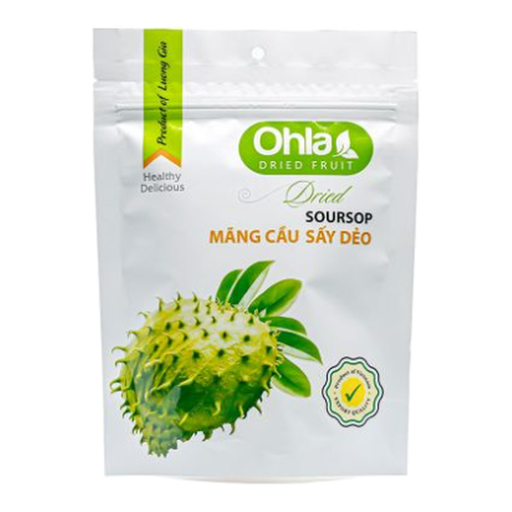 Image unavailable
OHLA Dried Soursop 180 g
The product description suggests using it as a snack or adding it to yoghurt and breakfast cereal. The product information indicates that it provides little protein, so treat it as a fruity addition rather than a protein source.
The ingredients list includes sugar, glucose, citric acid and sodium metabisulphite. Check the full list if the ingredients are a deciding factor for you.
View at Joybuy
 Image unavailable
PHILIPPINE BRAND Dried Mango 100 g
The product description suggests using it as a snack or topping for yoghurt, breakfast cereal and desserts. The product information indicates that it provides little protein, so choose it as a fruity addition rather than a protein source.
The ingredients information lists sugar and sulphites. Check the ingredients list for this variant if you want to review it.
View at Joybuy
 Image unavailable
Three Squirrels Dried Red Apricots 250 g
The product description suggests using them as a snack, in lunchboxes or for baking. The product information indicates that they provide little protein, so think of the apricots as a fruity addition rather than a protein source.
The ingredients information lists sugar and sulphites. Check the full ingredients list if the product’s composition is important to you.
View at Joybuy
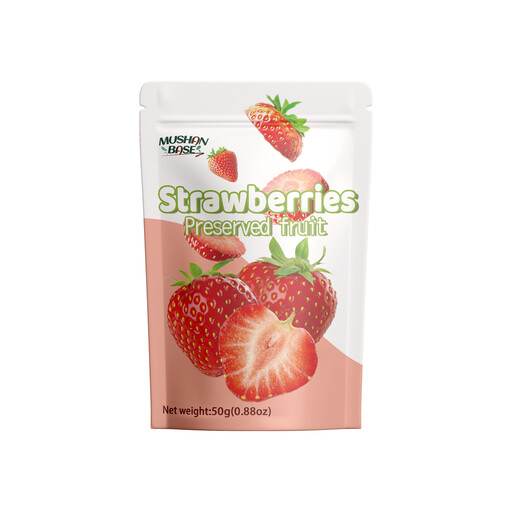 Image unavailable
MUSHAN BASE Dried Strawberry Slices 50 g
The product description suggests using them as a snack or topping for yoghurt, breakfast cereal and desserts. The product information indicates that they provide little protein, so use them as a fruity addition rather than a protein source.
The ingredients information lists strawberries and sugar. Check the ingredients and nutritional information for this variant if you want to take them into account.
View at Joybuy
Frequently asked questions
Do you always need special protein products if you do sport?
No. According to the Nutrition Centre, most people who do sport don’t need special protein shakes or bars if they eat a healthy, varied diet. People who do intensive strength or endurance training may need more protein, so consider your overall diet rather than just one snack.
How much protein is there in one dried apricot?
The Nutrition Centre lists 0.4 g of protein for a generic 9 g piece of dried apricot. This isn’t a product specification for every pack, so check the nutritional information for the variant you buy.
Does dried fruit always need to be kept in the fridge?
No. Follow the storage instructions for the specific product. AH Rehydrated Dried Apricots should be kept in the fridge after opening at a maximum of 7 °C and have a limited shelf life; AH Raisins should be kept in a cool, dark and dry place.
Is a 4-pack a pack containing four small snack portions?
Not the AH Rehydrated Dried Apricots 4-pack described here: it contains four separate items of 250 g each. Check the pack size before choosing a multipack for a small top-up.
Does ‘no added sugars’ mean the same as sugar-free?
No. PLUS lists 0 g of added sugars and 53.4 g of total sugars per 100 g for its dried apricots. So check both the ingredients and the nutritional information.


