Who is this choice for?

People who exercise and watch their protein intake

You want to put together a snack for the New Year period that supports your recovery after intense exercise. Check how much protein the fruit itself provides and which separate protein source you might add.

Party guests mindful of portions

You want to serve dried fruit without mistaking a small portion of fruit for an unlimited snack. Check the portion size and distinguish between total sugars and added sugar.

Hosts catering for dietary needs

You’re putting together a snack table for guests with different needs. Keep plain fruit, nut and fruit mixes, and combinations with dairy separate, and check the ingredients and allergens.

What should you look for when buying?

Plain dried fruit

Choose this if: you want a small, sweet addition of fruit and will get your protein from another source.

Bear in mind: the fruit category or sporty packaging alone won’t tell you how much protein a portion provides.

Nut and fruit mix

Choose this if: you’d rather serve a mixed snack than fruit on its own.

Bear in mind: the mix contains other ingredients, so check the full list of ingredients and any relevant allergens.

Fruit with a separate protein source

Choose this if: you want to eat fruit, but protein after intense exercise is an important reason for choosing your snack. The Dutch Association of Sports Nutrition Experts gives quark with fruit and muesli as an example of a recovery meal.

Bear in mind: in this case, most of the protein doesn’t come from the dried fruit. Check the ingredients and storage instructions for the combination, too.

What to consider What should you check? Who is this important for?
Protein per portion Compare the protein content with the portion you eat. The Netherlands Nutrition Centre gives average figures of 0.6 grams of protein per 20 grams of raisins and 0.4 grams per 9-gram dried apricot; these are averages, not figures for every pack. If you want to consciously add protein after intense exercise, you’ll want to know what the fruit contributes and which source you could add. Around 42% of consumers say protein content is their top priority.
Sugar and portion size Read both the ingredients list and the nutrition table. The Netherlands Nutrition Centre gives an average of 13.8 grams of sugars per 20 grams of raisins; this isn’t the same as the amount of added sugar. If you want to tailor the amount of fruit to your snack, consider the portion and what else you’ve eaten that day. Around 25% of consumers focus mainly on portion control and added sugar.
Serving and storage Compare the pack size and check whether it can be resealed. Follow the storage instructions on the packaging of the product you choose. If you’re preparing a platter for several guests, you’ll want to portion out the fruit easily and store any leftovers according to the label. Around 17% of consumers prioritise ease of serving and storage.
Ingredients and allergens Check the current label of each product. If anyone has a relevant sensitivity, check the ingredients in nut and fruit mixes, dairy combinations and dried fruit. If you or a guest has a known allergy or intolerance, or needs to avoid specific ingredients, you’ll want to be able to check what’s in each bowl. Around 16% of consumers check ingredients and food sensitivities first.

Common buying mistakes

  • Assuming fruit provides enough protein for a protein-focused snack

    The average portion figures for raisins and apricots show that they provide only a small amount of protein. The fruit category or sporty product presentation won’t tell you how much protein the whole snack provides.

    If protein is your main priority, decide which protein source you want first; add dried fruit as the fruit component.

  • Taking ‘no added sugar’ to mean low in sugar

    Total sugars and added sugar are different things. The Netherlands Nutrition Centre gives an average of 13.8 grams of sugars per 20-gram portion of raisins.

    Read both the ingredients list and the nutrition table, and decide in advance how much you want to serve.

  • Serving a nut and fruit mix without checking the ingredients

    A mix contains different ingredients from plain fruit. Nuts, peanuts, milk in a combination, or sulphites in dried fruit may be relevant for people with food sensitivities.

    Check the information on every label and keep different snacks clearly separate for guests.

Brands to consider

Albert Heijn

The range includes, among other things, plump dried apricots and fruit and nut combinations.

  • The category includes different types and combinations.
  • A product name or category doesn’t confirm a protein claim; check the current packaging.

Jumbo

Sultana raisins are available in different pack sizes, including 250 and 500 grams.

  • The product information for Jumbo Organic Sultana Raisins 500 g includes storage instructions.
  • This product-specific information doesn’t prove that the raisin range as a whole is high in protein.

Lidl

The Alesto range includes dried mango and other products in the dried fruit category.

  • The product range offers fruit products for snacking.
  • Lidl’s statements about product features aren’t independent tests or evidence to support a protein claim.

Aldi

The range includes raisins and a fruit and nut product group with different varieties.

  • The 200-gram product group described is said to come in a resealable pack.
  • Product group names can cover different combinations; assess each variety and its label separately.

Plus

The product mentioned is dried apricots in a 375-gram stand-up pouch.

  • The product name and pack size help you identify the variety.
  • Check the current product packaging for ingredients and nutritional values.

Dirk

The range listings distinguish between, among other things, sultana raisins, golden raisins, apricots and pitted prunes.

  • The product names make it easy to identify different types of fruit.
  • Range listings aren’t an assessment of protein content or recovery benefits.

Products at Joybuy

This selection includes plain dried fruit and nut and fruit mixes to add to a snack. Treat the protein values shown as product specifications; the information here doesn’t establish that a product meets the requirements for a ‘high protein’ claim.
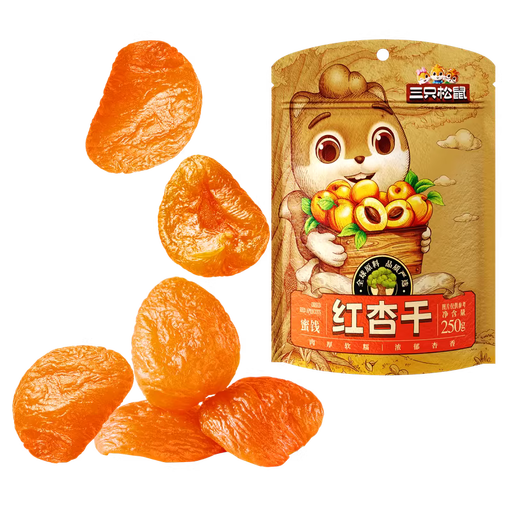
Three Squirrels Red Apricot Dried, 250g

Three Squirrels Red Apricot Dried, 250g

Works as a small addition of fruit to a snack with a separate protein source.

The product description lists 1.1 g of protein per 100 g. The product contains added sugar and maltose syrup; sulphites are listed as an allergen.

View product at Joybuy
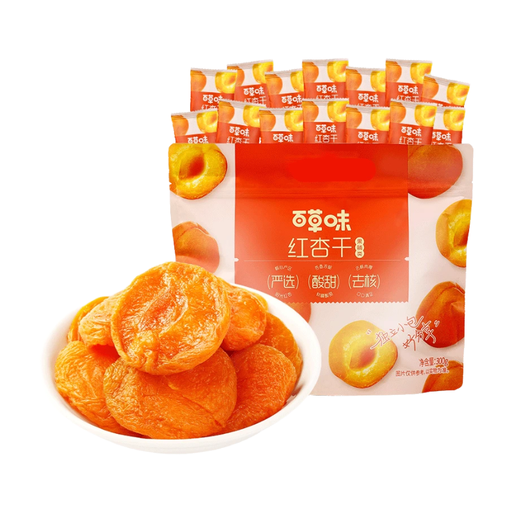
Be&Cheery Dried Red Apricots 300g

Be&Cheery Dried Red Apricots 300g

Works as a small addition of fruit to a snack with a separate protein source.

The product description lists 0.9 g of protein per 100 g. The product contains sugar and maltose syrup; sulphites are listed as an allergen.

View product at Joybuy
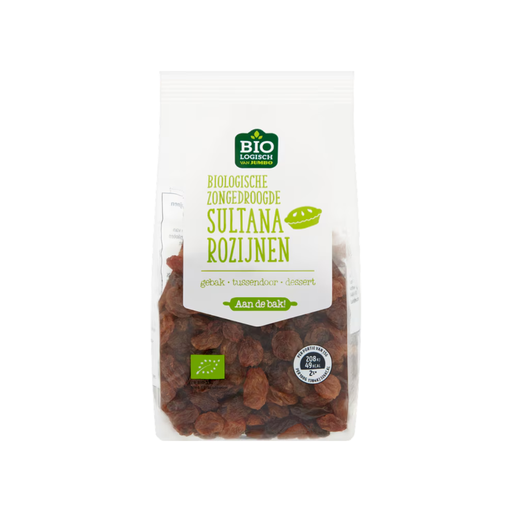
B+ Sultana Raisins, 250 g

B+ Sultana Raisins, 250 g

Works as a small addition of fruit to a snack with a separate protein source.

The product description lists 3.1 g of protein per 100 g. According to the description, a stalk or stone cannot be completely ruled out.

View product at Joybuy
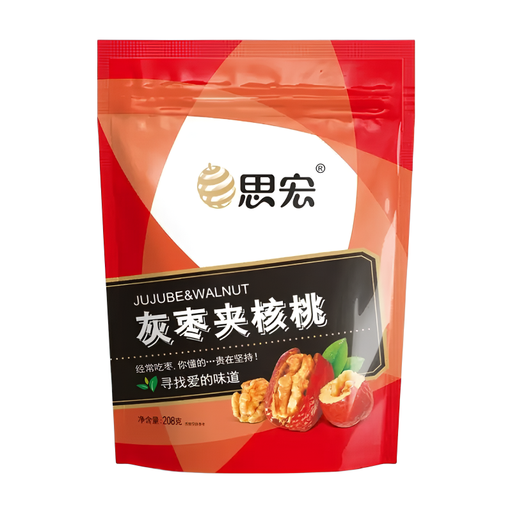
Sihong Gray Dates with Walnuts, 208g

Sihong Gray Dates with Walnuts, 208g

Works as a mixed snack when you want to serve something other than dried fruit on its own.

The product description lists 3.4 g of protein per 100 g and names dates and walnuts as ingredients. Contains walnuts.

View product at Joybuy
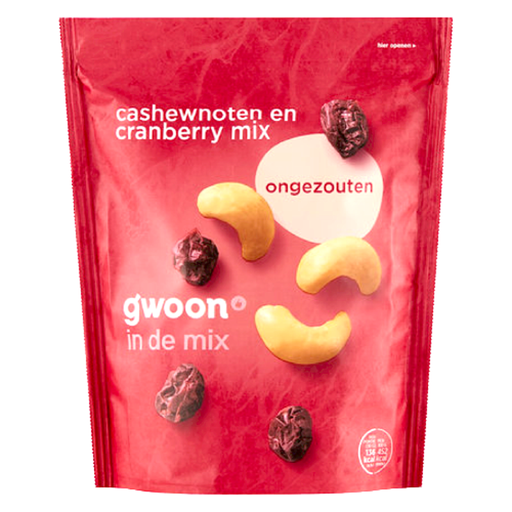
gwoon Cashew Nut Cranberry Mix, 200g

g'woon Cashew Nut Cranberry Mix, 200g

Works as a mixed snack when you want to combine fruit with nuts.

The product description lists 10.9 g of protein per 100 g and a mix of 50% cashew nuts and 50% sweetened cranberries. Contains cashew nuts; may contain traces of peanuts and other nuts.

View product at Joybuy

Frequently asked questions

Can a handful of raisins be my main source of protein after exercise?

Think of raisins mainly as a fruit addition: the Netherlands Nutrition Centre gives an average of 0.6 grams of protein per 20-gram portion. The Dutch Association of Sports Nutrition Experts gives quark with fruit and muesli as an example of a recovery meal after exercise.

How much dried fruit is suitable for a party when you’re mindful of portions?

The Netherlands Nutrition Centre recommends a maximum of 20 grams of dried fruit per day. This is general dietary advice, not a legal limit; also take into account any dried fruit you’ve already eaten that day.

How should I store raisins left over after New Year’s Eve?

Follow the instructions on your pack. The product information for Jumbo Organic Sultana Raisins 500 g says to store in a cool, dry, dark place. Don’t automatically apply this advice to other products or a prepared combination with dairy.

What should I check if a guest can’t have sulphites or nuts?

Check the current ingredients and allergen information for each product you choose. Sulphites may be present in dried fruit; for nut and fruit mixes, also check which nuts and whether they contain peanuts. The Netherlands Food and Consumer Product Safety Authority lists sulphites, nuts, peanuts and milk among the substances for which allergen information is relevant.

When can you call a product high in protein?

Only when the claim is permitted under the applicable European rules and the specific product meets the requirements. The Netherlands Food and Consumer Product Safety Authority assesses whether a product’s composition supports a protein claim; the mere presence of protein isn’t enough to confirm one.
