What should you look for when choosing?
Dried fruit on its own
A good fit if: you mainly want a sweet addition and get your protein from your meal or another food.
The trade-off: the average protein contribution from raisins and dried apricots is small; also consider the type of fruit and portion size.
Dried fruit with nuts
A good fit if: you want to eat fruit and nuts together and those ingredients suit you.
The trade-off: the nutritional value depends on the proportions in the mix; nuts are also an allergen.
Fruit with a separate protein source
A good fit if: you want to add a separate source of protein to your snack, such as quark or yoghurt.
The trade-off: assess your chosen option and portion separately; if it’s dairy, check the allergen information too.
| What to consider |
What should you look for? |
Who is this most relevant to? |
| Protein per portion |
Compare protein per 100 grams and per the amount you actually eat. Keep the contribution from the fruit separate from that of any other ingredients. |
If protein is your priority for an evening snack, you’ll want to know how much the fruit itself provides. Around 31% of consumers rank protein content as their top purchasing priority. |
| Portion size, sugar and energy |
Read the nutritional information and ingredients, and decide on your portion in advance. Compare products on the same basis. |
If you’re looking for a measured sweet snack, portion size and the values on the label matter. Around 25% of consumers give portion size and sugar the highest priority. |
| Combining ingredients |
Check whether you’re choosing fruit on its own or a mix. For a snack made up of several ingredients, assess all the components together. |
If you want an easy-to-put-together evening snack, you’ll want to know whether you’ll eat the fruit on its own or with something else. Around 19% of consumers prioritise how easy it is to combine ingredients. |
| Ingredients and allergens |
Check the allergen information for every component on the current label. Don’t assume a product has a particular composition without checking. |
If your snack needs to meet specific requirements around ingredients or allergens, the full composition is crucial. This is the top purchasing priority for around 13% of consumers. |
| Pack size |
Compare the net weight and choose a pack that suits the portions you expect to use. |
If you’re mainly looking for an amount that suits your needs, check the net weight and type of fruit. Around 12% of consumers give pack size the highest priority. |
The values from the Netherlands Nutrition Centre are average reference figures, not exact nutritional values for every brand or variety. Check the current label before making your choice.
Dried fruit and fruit-and-nut mixes on Joybuy
This selection of Joybuy products includes dried fruit and fruit-and-nut combinations for anyone looking for a sweet addition or wanting to combine ingredients. The protein values listed are specific to each product and don’t automatically make it the main source of protein in your snack.
 No image available
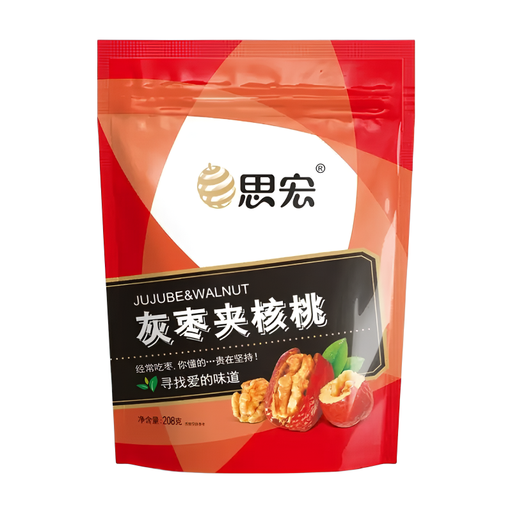
Sihong Gray Dates with Walnuts, 208 g
A good fit if you want to pair dates with nuts; the ingredients are dates and walnuts.
Lists 3,4 g of protein per 100 g. Contains walnuts.
Joybuy
 No image available
Medjool Dates (M) Zohra, 908 g
An option if you want to use dried dates as a fruity addition.
The product description suggests pairing them with yoghurt or a protein shake.
Joybuy
 No image available
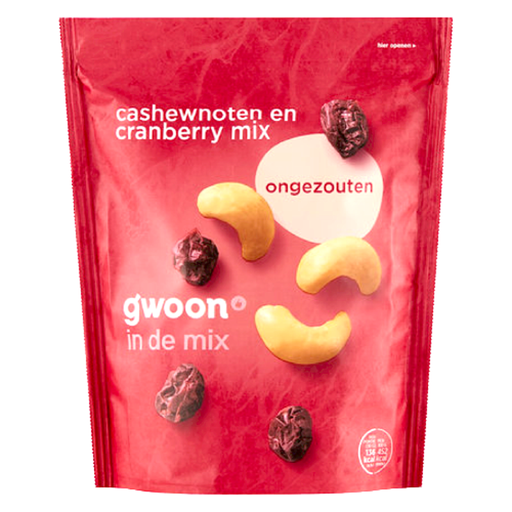
g’woon Cashew Nut Cranberry Mix, 200 g
A good fit if you want to eat fruit and nuts together; the mix contains 50% cashews and 50% sweetened dried cranberries.
Lists 10,9 g of protein per 100 g. Contains cashews and may contain traces of peanuts and other nuts. The cranberries are sweetened.
Joybuy
 No image available
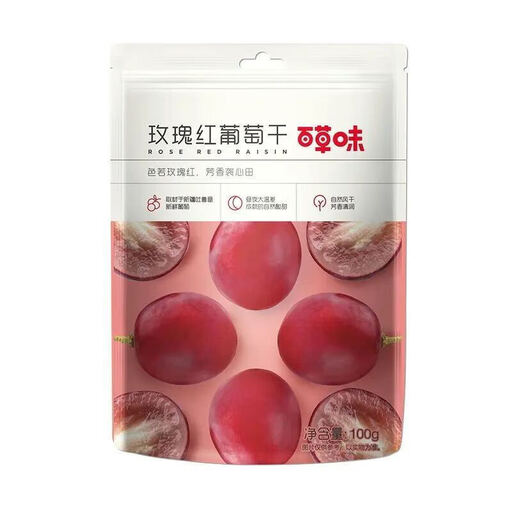
Be&Cheery Rose Red Raisins, 100 g
A good fit as a sweet fruit addition to your evening TV snack; the ingredients list specifies red raisins.
Lists 3,1 g of protein per 100 g. Enjoy it as a fruit addition, not as your main source of protein.
Joybuy
 No image available
OHLA Dried Guava, 180 g
An option if you’re looking for dried guava as a fruity snack or addition.
Lists 1,27 g of protein per 100 g and 95% guava. Contains added sugar and a preservative.
Joybuy
Frequently asked questions
Do you need a special protein snack after every workout?
No. According to the Netherlands Nutrition Centre, most people who exercise don’t need special protein shakes or bars if they eat a varied diet. The needs of dedicated strength and endurance athletes may be different; in that case, consider your overall diet rather than just your evening snack.
Is 20 grams of dried fruit a day a legal limit?
No. The Netherlands Nutrition Centre recommends eating no more than 20 grams a day as dietary advice, not as a legal limit on buying a pack. Use it as a guide when deciding on your daily portion.
Should I check the allergen information on a pack?
Yes. The Netherlands Food and Consumer Product Safety Authority (NVWA) states that allergen information must appear on the labels of pre-packed products and lists milk, nuts and sulphites among the allergens. That doesn’t mean every dried fruit product contains these ingredients; check the label on the specific pack.
Can I pair dried fruit with a separate source of protein?
Yes, if you want to make a snack with more than one component. The Netherlands Nutrition Centre suggests options such as quark and yoghurt. Check the nutritional values and allergen information for the variety you choose, and keep the contribution from the fruit separate.
How long can you keep homemade dried fruit?
For the fruit in its recipe, the Netherlands Nutrition Centre advises letting it cool, then keeping it in an airtight container or bag for a few days, or freezing it in portions. This advice applies to that homemade fruit and not automatically to shop-bought products.


