Dried fruit can add a fruity touch to your picnic, but don’t automatically count on it as your main source of protein. According to the Netherlands Nutrition Centre, a 9 g dried apricot contains 0.4 g of protein. So check the label of the exact product and work out how much protein your planned portion provides. After exercising, consider the rest of your meal too, and keep perishable foods chilled.
Who is this relevant to?
Post-workout picnickers
You’re looking for a snack after strength or endurance training and want to know how much protein your portion provides. Compare the fruit’s label with the rest of your meal. The Netherlands Nutrition Centre states that a 9 g dried apricot contains 0.4 g of protein.
Anyone wanting to take a small portion
You want a fruity snack without accidentally eating a large amount. Check the portion size and see whether sugar has been added. The Netherlands Nutrition Centre recommends eating no more than 20 g of dried fruit a day.
Practical picnickers
You want to transport and share food safely. If you’re combining dried fruit with perishable foods, the Netherlands Nutrition Centre recommends keeping them chilled and using clean hands and utensils.
What should you look for when choosing?
First decide whether you’re mainly after a fruity snack or something to add to a post-workout meal. Then check the nutritional information for the exact product and work out how much you want to take with you.
| What to consider |
What should you check? |
Who is this important for? |
| Protein content |
Check the protein information on the label and calculate how much there is in the portion you’ll actually take with you. |
If I take fruit with me after strength training, I want to know what my own portion provides rather than relying on the product name. Around 40% of consumers put protein content first. |
| Portion size and added sugar |
Read the ingredients list and decide in advance how much fruit you want to eat. |
If I’m taking a sharing bag to the park, I want to decide on my portion beforehand and check whether sugar has been added. Portion size is the main consideration for around 30% of consumers. |
| Chilling and hygiene |
Follow the storage instructions on the packaging. Plan how to keep perishable combinations chilled in transit and serve them with clean utensils. |
If I’m sharing food in the park, I want to know how to transport and serve it safely. This is the top priority for around 20% of consumers. |
| Pack size |
Compare the net weight with the number of people and the amount you want to take. |
For a group, I want to take enough without having a large amount left over. Around 10% of consumers mainly look for a suitable pack size. |
Common pitfalls
-
Automatically treating dried fruit as your main source of protein
The Netherlands Nutrition Centre states that a 9 g dried apricot contains 0.4 g of protein. This figure is general nutritional information; it doesn’t confirm the protein content of a particular supermarket product or your whole meal.
Check the nutritional information for the exact product and calculate the amount provided by your planned portion. Consider the rest of your meal too.
-
Confusing a large sharing bag with an individual portion
A pack that’s handy for sharing doesn’t determine how much you should eat yourself. The Netherlands Nutrition Centre recommends eating no more than 20 g of dried fruit a day. This is dietary advice, not a legal limit on what you can buy.
First work out how many people will be eating, then divide up the portions before choosing a pack.
-
Forgetting about perishable foods in your picnic
If your meal includes perishable items, it’s important to transport them chilled and serve them hygienically. The Netherlands Nutrition Centre recommends keeping food chilled and using clean hands and utensils.
Plan to keep perishable foods chilled in transit and follow the storage instructions for each product separately.
Brands to consider
Albert Heijn
The product page lists AH Soaked Dried Apricots as a specific fruit option.
- Albert Heijn advises reading the packaging before using the product.
- The product name alone doesn’t confirm that it’s high in protein; check the current label.
Jumbo
Jumbo lists Pitted Dried Apricots in a 250 g pack.
- The product name and net weight given can help you plan how much to buy for a group.
- The pack size doesn’t tell you how much protein your portion provides.
Lidl
Lidl describes Alesto as a range of nuts and dried fruit, including apricots.
- Lidl suggests snacking and using the products as a topping.
- This description of the range doesn’t assess the nutritional value of a specific product; check the product label.
Aldi
Aldi lists TRADER JOE'S Sun-Dried Apricots in a 250 g pack.
- The product description says the dried apricots are soft.
- The product name and description don’t substantiate a protein claim; TRADER JOE'S is the product brand named.
PLUS
PLUS lists Dried Apricots in a 375 g stand-up pouch and offers delivery and collection as ways to buy.
- The pack size gives you a specific point of reference when working out how much to get for a group.
- PLUS warns that product and allergen information can change, so check the current packaging.
Dirk
Dirk lists pitted apricots as an in-store option.
- The product page is a useful starting point if you want to buy in store.
- Dirk’s page does not mention a delivery service; it doesn’t identify a specific product brand.
Dried fruit at Joybuy
These products are dried fruit to take along as a fruity snack. Check the nutritional information and ingredients for each product if you want to assess its protein content or added sugar.
 No image available
OHLA dried guava 180 g
An option if you’re looking for dried guava as a fruity picnic snack.
The nutritional information lists 1.27 g of protein per 100 g. The ingredients include sugar and a preservative; check the current packaging.
View at Joybuy
 No image available
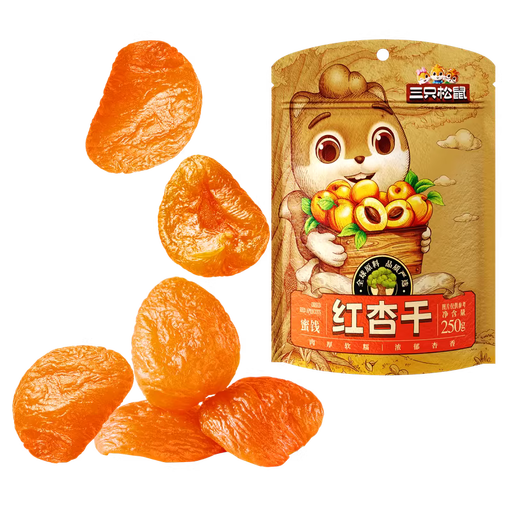
Three Squirrels dried red apricots 250 g
An option if you’d like to take a portion of dried apricots as a snack.
The nutritional information lists 1.1 g of protein per 100 g. The ingredients include sugar and maltose syrup; the product also contains sulphites.
View at Joybuy
 No image available
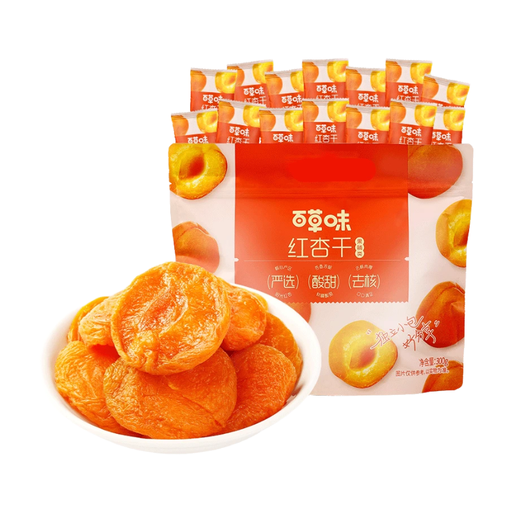
Be&Cheery dried red apricots 300 g
An option if you’re looking for ready-to-eat dried apricots as a fruity snack.
The nutritional information lists 0.9 g of protein per 100 g. The ingredients include sugar; the product also contains sulphites.
View at Joybuy
 No image available
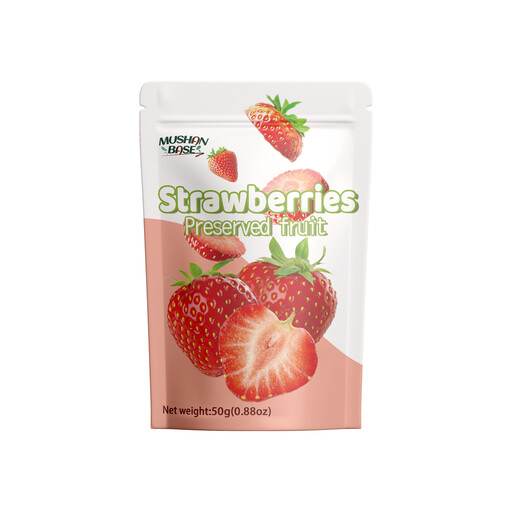
MUSHAN BASE dried strawberry slices 50 g
An option if you’d like to take dried strawberries as a snack or topping.
The nutritional information lists 1.2 g of protein per 100 g. The ingredients include sugar.
View at Joybuy
Frequently asked questions
Do you need to buy a special protein snack after exercising?
Not necessarily. The Netherlands Nutrition Centre says that most people who exercise don’t need special protein shakes or bars if they eat a healthy, varied diet. Consider your overall diet and meal, not just the word ‘protein’ on a snack.
How should you take dried fruit along with perishable foods?
Keep perishable items chilled and use clean hands and utensils. This is the Netherlands Nutrition Centre’s general advice for picnics; also follow the storage instructions for each product separately.
Where can you check ingredients and allergen information?
Read the current packaging for the exact product. Albert Heijn and PLUS warn that product information can change, so don’t rely on an older product description alone when checking ingredients or allergen information.
Can all the supermarket options listed be delivered to your home?
No. PLUS offers delivery and collection, while Dirk’s page states that it does not offer a delivery service. Check which ways to buy are available for your order.
Can any product containing protein be marketed as high-protein?
The presence of protein alone doesn’t substantiate a high-protein claim. According to the European Union’s Your Europe website, nutrition claims must not be false, ambiguous or misleading. The European Commission states that permitted nutrition claims must be listed in the Annex to Regulation (EC) No 1924/2006.


