What should you look for when buying?
First compare the energy per 100 g, then decide how much you want to weigh out. Next, check added sugar and the packaging separately. If you’d prefer a larger fruit snack, you could also consider fresh fruit and compare the type of fruit you choose separately.
| What to consider |
What to look for |
Who is this important for? |
| Energy per portion |
Compare kcal per 100 g and weigh the amount you eat. |
If I want to limit the energy in my portion while watching a film, I compare the labels and weigh out my bowl. Around 42% of consumers prioritise the energy in their portion. |
| Added sugar |
Check the ingredients list, total sugars and whether added sugars are listed separately. |
I want to avoid added sugar without assuming that this means the product is low in total sugars or energy. Around 25% of consumers mainly choose products to avoid added sugar. |
| Type and form of fruit |
Check the product’s form and any warnings about stones or stone fragments. |
For my movie night, I want to choose a type and form of fruit that suits the way I plan to eat my snack, while paying attention to any packaging warnings. Around 17% of consumers prioritise the type of fruit and ease of eating. |
| Packaging and storage |
Check the net weight and the storage and use-by instructions after opening. |
If I buy a bag to enjoy on several occasions, I want to know how to store and use the rest properly. Around 16% of consumers mainly consider packaging and how to manage leftovers. |
The percentages reflect the corresponding buying priorities; they are not a general breakdown of the market. The Netherlands Nutrition Centre’s recommended limit and the information on product labels can help you choose, but a small portion doesn’t automatically make a product low in energy.
Dried fruit at Joybuy
These Joybuy products are dried prunes, dates and guava, which you can compare by energy per 100 g, portion size and ingredients. Their listed energy values are above the European threshold for a low-energy claim on solid foods.
 No image available
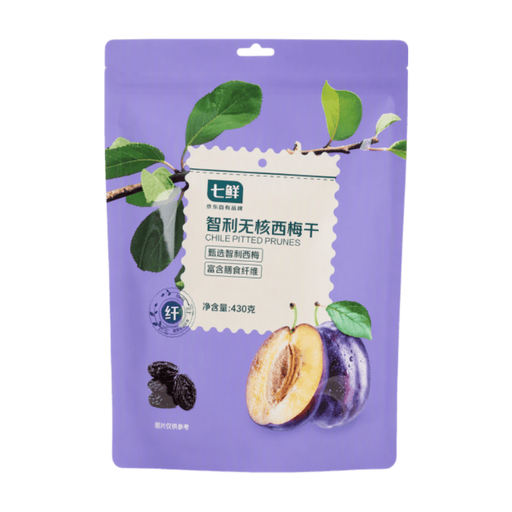
7FRESH Pitted Dried Prunes 430 g
A good choice if you’re looking for dried prunes and want to weigh out your own portion.
The product information lists 283 kcal per 100 g and prunes with no added sugar. The pack contains 430 g.
View at Joybuy
 No image available
Haoxiangni Pitted Red Dates 500 g
A good choice if you’re looking for pitted dried dates and want to decide on your own portion size.
The product information lists 300 kcal per 100 g and gives the ingredients as 100% red dates. The pack contains 500 g.
View at Joybuy
 No image available
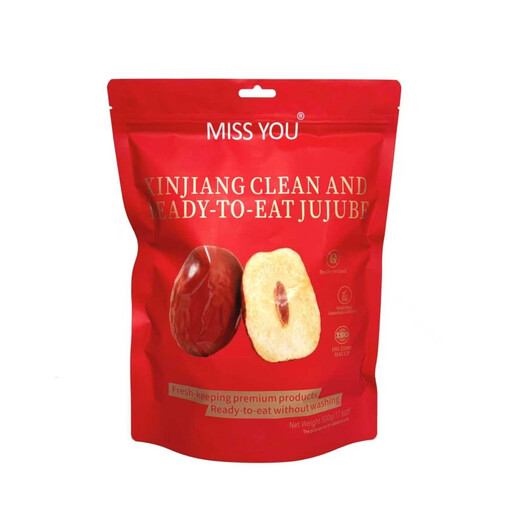
Haoxiangni Grade A Wash-Free Jujubes 500 g
A good choice if you’re looking for dried jujubes that, according to the product description, are ready to eat.
The product information lists 304 kcal per 100 g and gives the ingredients as 100% jujube. The pack contains 500 g.
View at Joybuy
 No image available
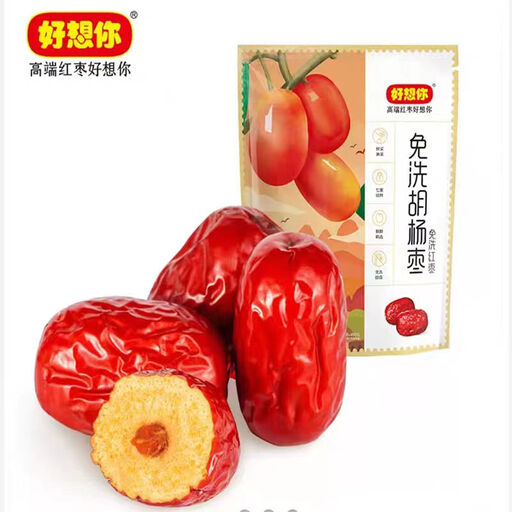
Haoxiangni No-Wash Red Jujubes with Stones (Grade 2) 450 g
A good choice if you’re looking for dried red jujubes and don’t mind them containing stones.
The product information lists 331 kcal per 100 g and gives the ingredients as 100% jujube. This variety contains stones and the pack contains 450 g.
View at Joybuy
 No image available
OHLA Dried Guava 180 g
A good choice if you’re looking for dried guava and want to compare the ingredients with the other options.
The product information lists 308 kcal per 100 g and 95% guava. The ingredients also include sugar and a preservative. The pack contains 180 g.
View at Joybuy
Frequently asked questions
Can you call dried fruit low in energy if it has few calories per portion?
Not on the basis of a small portion alone. For solid foods, the European Commission sets the threshold for a low-energy claim at no more than 40 kcal per 100 g; the three label examples examined from Albert Heijn, Jumbo and PLUS are above this. It’s better to state the energy for a clearly specified, weighed portion.
How much dried fruit does the Netherlands Nutrition Centre recommend?
The Netherlands Nutrition Centre recommends a maximum of 20 g of dried fruit a day. This is dietary advice, not a legal portion limit. Weigh out your movie-night portion and take into account any dried fruit you’ve already eaten that day.
Does ‘no added sugar’ mean it contains little sugar?
No, that wording doesn’t automatically refer to total sugars. For the soaked apricots examined, Albert Heijn lists 0 g of added sugars and 37 g of total sugars per 100 g; for the prunes examined, PLUS lists 0 g of added sugars and 38.1 g of total sugars per 100 g. Check the ingredients list and energy on the label, too.
Can I keep an opened bag of dried fruit in the cupboard?
Follow the instructions for the exact product. For the soaked apricots examined, Albert Heijn says to refrigerate at a maximum of 7 °C after opening and use within a limited time. The Jumbo apricots examined should be stored in a cool, dry and dark place, so don’t assume that all dried fruit has the same storage requirements.
What should I check if a guest has an allergy or intolerance?
Check the ingredients, allergens and warnings on the exact product’s packaging for that guest. Albert Heijn and Jumbo list sulphites; Jumbo also mentions possible traces of nuts, peanuts and sesame. The NVWA confirms that allergen information must appear on prepacked products. A lower energy value says nothing about whether a product is suitable for someone with allergies.


