Who is this buying guide for?

Snackers looking to keep portions in check

If you want to keep eating dried fruit, how much you actually have may matter more than a nutrition claim. The Netherlands Nutrition Centre and the World Cancer Research Fund offer general guidance on eating dried fruit.

Label-conscious snackers

If you keep an eye on fat content, you may also want to know whether the product contains sugar, oil or sulphites. A nutrition claim is no substitute for the ingredients list, nutrition table and allergen information.

Everyday topping users

If you regularly add dried fruit to breakfast, the product's form and storage instructions after opening may also influence your choice.

What should you look for when choosing?

What to consider What to look for Who should consider this?
Energy per portion Compare kcal per 100 g and calculate the figure for your weighed portion. The Netherlands Nutrition Centre says that solid foods must contain no more than 3 g of fat per 100 g to carry the ‘low fat’ claim; this alone does not tell you how much energy your portion provides. If I want to weigh my portion, I look at the energy in the amount I actually eat; around 42% of consumers prioritise energy per portion.
Fat and ingredients Check fat, ‘of which sugars’, ingredients and allergens separately. For prepacked products, allergen information is shown on the label; the Netherlands Food and Consumer Product Safety Authority (NVWA) lists sulphites as an allergen that must be declared. If you want to assess added ingredients or allergens as well as fat, compare that information with the nutrition values; around 33% of consumers start with the ingredients.
Product form and storage Check whether the product is dry or soaked, and read the storage instructions for after opening. According to the product information, AH Soaked Dried Apricots should be refrigerated after opening, at no more than 7 °C. If I regularly have dried fruit with breakfast or as a snack, I want its form and storage requirements to suit my routine; around 25% of consumers prioritise convenience.

Common pitfalls when choosing

  • Confusing low fat with low energy

    Energy also depends on the portion size. AH Raisins lists 344 kcal per 100 g; based on this product value, 20 g provides 68,8 kcal.

    Weigh your portion and calculate using the nutrition values for the exact product, rather than relying on its fat content alone.

  • Reading ‘no added sugar’ as ‘sugar-free’

    AH Raisins lists no added sugar, but does contain 59 g of total sugars per 100 g.

    Read the ingredients list and the ‘of which sugars’ line in the nutrition table separately; they provide different information.

  • Storing all dried fruit in the same way

    Storage instructions can vary depending on the product's form. According to the product information, AH Soaked Dried Apricots should be refrigerated after opening, at no more than 7 °C.

    Follow the instructions on the pack you have, and don't automatically apply them to other dried fruit.

Brands as a guide

Albert Heijn

The AH products reviewed show how raisins and soaked dried apricots can differ from one another.

  • The product pages provide ingredients and nutrition values for these specific products.
  • The soaked apricots need to be refrigerated after opening. These examples don't necessarily represent the full range.

Jumbo

Jumbo Dried Pitted Apricots 250 g is a specific product you can use to compare nutrition values and ingredients.

  • The product information gives nutrition values per 100 g and per 20 g portion.
  • The apricots contain sulphites; Jumbo also notes that they may contain nuts, peanuts and sesame. Check the information on the packaging.

Lidl

Lidl describes Alesto as a range of nuts and dried fruit, including apricots.

  • Lidl suggests snacking and using the products as a topping.
  • A general description of a range doesn't provide product-specific nutrition values, and a nut mix is not the same as plain dried fruit.

Aldi

ALDI Netherlands lists Trader Joe’s Sun-Dried Apricots 250 g as a specific product example.

  • The product details and pack size are listed on the product page.
  • ‘Soft dried apricots’ is the seller's product description, not an independent assessment of taste.

PLUS

PLUS Dried Apricots 375 g is a specific product example with a larger pack size than the Jumbo pack reviewed here.

  • The product page lists nutrition values, ingredients and sulphites for this product.
  • These values apply to these apricots and not necessarily to other PLUS products.

Dirk

Dirk lists own-brand 1 de Beste apricots in a 375 g pack.

  • The product page suggests them for snacking, breakfast and baking.
  • The suggested uses and descriptions come from Dirk and are not an independent comparison with other supermarket products.

Dried fruit at Joybuy

This selection includes dried fruit for snacking and use in dishes. Compare the nutrition values and ingredients based on how you plan to use it.
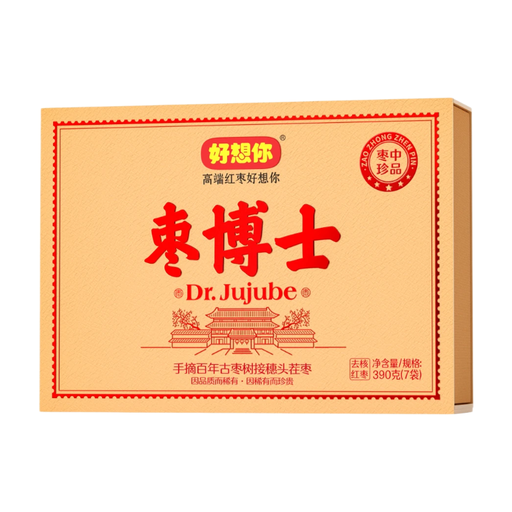
Haoxiangni Dr.Jujube Premium Gold-Grade Pitted 390g

Haoxiangni Dr.Jujube Premium Gold-Grade Pitted 390g

The product information lists nutrition values per 100 g, which you can take into account when deciding on a portion.

Fat: 0 g per 100 g. Energy: 327 kcal per 100 g.

The product description suggests eating them as they are or using them in soup, tea and baked dishes.

View at Joybuy
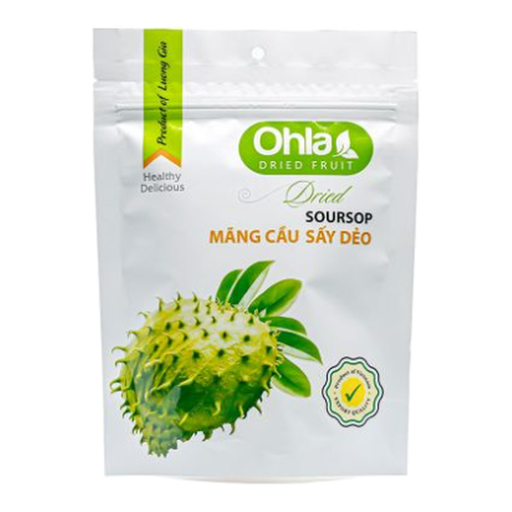
OHLA Dried Soursop 180g

OHLA Dried Soursop 180g

The nutrition values provided can help you compare energy and fat per 100 g.

Energy: 348 kcal per 100 g. Fat: 2,21 g per 100 g.

The product information lists white sugar, glucose and sodium metabisulphite as ingredients. The description suggests having it as a snack or adding it to yoghurt and cereal.

View at Joybuy

Haoxiangni Pitted Jujubes 500g

Haoxiangni Pitted Jujubes 500g

The product information lists fat and energy per 100 g, giving you a basis for considering these values when choosing your portion.

Fat: 0,5 g per 100 g. Energy: 300 kcal per 100 g.

The description suggests eating them as they are or using them in cooking, baking, soup or tea.

View at Joybuy

Three Squirrels Red Apricot Dried 250g

Three Squirrels Red Apricot Dried 250g

According to the description, these dried apricots are ready to eat and suitable for snacking, lunchboxes or baking.

Fat: 0 g per 100 g. Energy: 311 kcal per 100 g.

The ingredients list includes white sugar, maltose syrup and sulphites.

View at Joybuy
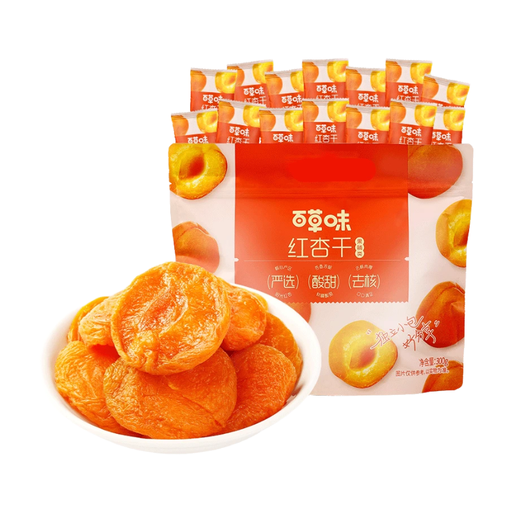
Be&Cheery Dried Red Apricots 300g

Be&Cheery Dried Red Apricots 300g

The product description suggests eating them as they are or using them in recipes; the nutrition values can help you factor them into your portion.

Fat: 1,0 g per 100 g. Energy: 327 kcal per 100 g.

The ingredients list includes sugar, maltose syrup and sulphites.

View at Joybuy

Frequently asked questions

Does low fat also mean low calorie?

No. For solid foods, the European Commission sets a maximum of 3 g of fat per 100 g for the ‘low fat’ claim, but this doesn't tell you how much energy a portion provides. For example, AH Raisins lists 0,5 g of fat and 344 kcal per 100 g.

How much dried fruit is a practical daily guideline?

The Netherlands Nutrition Centre advises having no more than a handful of dried fruit with no added sugar. The World Cancer Research Fund recommends a maximum of 20 g a day. These are general nutrition guidelines, not a legal purchase limit or a measure of your personal energy needs.

How do I compare the energy in different products?

First compare the values per 100 g, then calculate them for the same weighed amount. For example, the AH Raisins product page lists 344 kcal per 100 g; based on that, a 20 g portion provides 68,8 kcal.

What should I look for in the sugar and ingredients information?

Read the ingredients list and the ‘of which sugars’ line in the nutrition table separately. AH Raisins lists no added sugar, but does contain 59 g of total sugars per 100 g; also check the allergen information on the packaging.

How should I store soaked apricots after opening?

Follow the instructions for the specific product. According to the product information, AH Soaked Dried Apricots should be refrigerated after opening, at no more than 7 °C. Don't automatically apply these instructions to other dried fruit.
