What should you look for when choosing?
First compare the energy per 100 g for the exact product, then decide how much you actually want to take with you. Also check the ingredients, allergens and storage advice.
| What to consider |
What should you check? |
Who is this important for? |
| Energy per portion |
Check the kcal per 100 g and weigh your own portion; the energy in a portion does not qualify as a low-energy product claim. |
If I want to know how much energy is in my weighed picnic snack, I compare the label with my portion size. Around 39% of consumers prioritise the energy content of a portion. |
| Ingredients and allergens |
Read the ingredients list, total and added sugars, and allergen information for the exact product. |
If you want to avoid added sugar or need to check an allergen warning, the pack matters more than the product name alone. Around 23% of consumers give ingredients and allergens the highest priority. |
| Taking it with you and storage |
Check the pack weight, storage advice and instructions for after opening; keep products that would normally be chilled cool. |
If I want to portion out snacks in advance and take them with me safely, I check the packaging and storage instructions. Around 23% of consumers prioritise taking food with them and storing it. |
| Pack size |
Compare the weight with the amount you need and consider how you will store any leftovers. |
For a picnic with several snack breaks, I want a pack that’s easy to divide up, rather than treating the whole bag as one portion. Around 15% of consumers prioritise quantity and pack value. |
The percentages reflect the four different purchasing priorities for this picnic choice. They are not a measured market breakdown. For solid foods, the European Commission sets a limit of no more than 40 kcal per 100 g for the ‘low energy’ claim; the Netherlands Food and Consumer Product Safety Authority refers to European rules on nutrition claims.
Dried fruit at Joybuy
These Joybuy products are dried fruit and prune snacks you can take along to a picnic. Compare the ingredients and nutritional information on the exact pack; the product names alone don’t tell you how much energy a portion provides.
 No image available
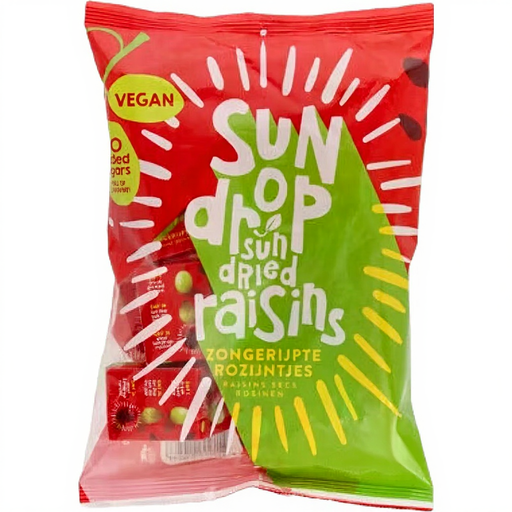
Sundrop Mini Raisin Handouts 252 g
A raisin snack to take with you. The product information recommends storing it in a cool, dry place and closing the pack after opening.
The ingredients list states that it contains 99.5% raisins and sunflower oil.
View at Joybuy
 No image available
De Kleine Keuken Organic Raisins 12M+ 140 g
The individual portions can be handy if you want to divide raisins between snack times in advance.
The product information lists 10 boxes of 14 g, with no added sugars or sulphites. Suitable from 12 months; not suitable for children with swallowing difficulties. Supervise children while they eat.
View at Joybuy
 No image available
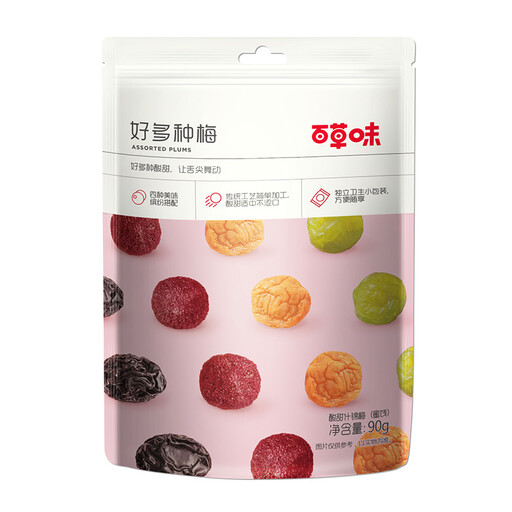
Be&Cheery Various Dried Plum 90 g
The 90 g pack is described as portable and suitable for sharing; weigh out a portion if you want to limit how much you eat.
The ingredients list includes plum, white sugar, salt and sweeteners. Check the nutritional table on the exact pack before comparing energy content.
View at Joybuy
 No image available
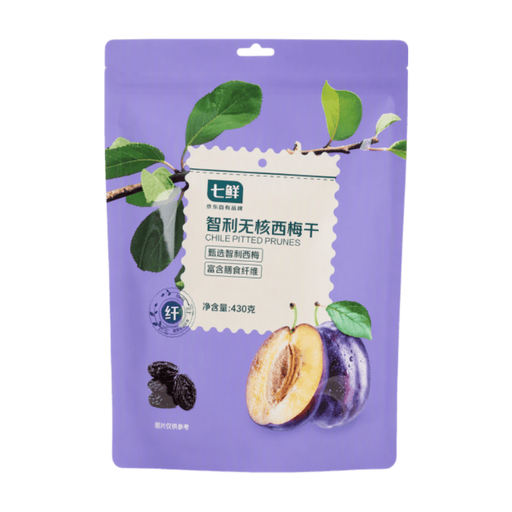
7FRESH Pitted Prunes 430 g
This 430 g pack of prunes is described as suitable for sharing; the product information recommends using the contents soon after opening.
The product information lists 283 kcal per 100 g. Use this figure for this product only, and compare portions at the same weight.
View at Joybuy
 No image available
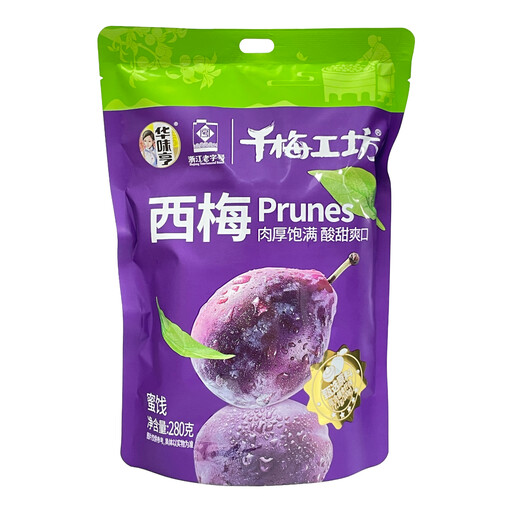
Huaweiheng Dried Plums 280 g
A ready-to-eat prune snack in a 280 g pack. Check the portion you want and the storage instructions on the pack.
The ingredients list includes white sugar and crystalline fructose. Check the label if you want to avoid added sugars.
View at Joybuy
Frequently asked questions
How much dried fruit should you take as a small snack?
The Netherlands Nutrition Centre recommends a maximum of 20 g of dried fruit a day. Weigh your portion in advance and include any dried fruit you eat at other times; this is dietary guidance, not a legal limit.
Why do general calorie figures differ from a supermarket label?
General nutritional information may not describe the exact product you buy. The Netherlands Nutrition Centre lists 40 kcal per 20 g of dried prunes; the Jumbo and PLUS labels for the products mentioned work out at 56.4 kcal per 20 g. Use the information on the exact pack when shopping.
Do you need to keep dried fruit in a cool bag?
Follow the storage advice on the pack; the Jumbo and PLUS products mentioned recommend storing them in a cool, dry, dark place. If you’re also taking foods that normally belong in the fridge, use a cool bag. The Netherlands Nutrition Centre advises throwing away these chilled products if they have been left unrefrigerated for more than two hours.
Does no added sugar also mean low in sugar?
No. PLUS prunes list 0 g of added sugars and 38.1 g of total sugars per 100 g. Read the ingredients and nutritional table separately, then decide on your portion.
What should you look for if you need to avoid sulphites?
Check the allergen information on the exact pack. Jumbo’s 250 g Pitted Dried Apricots list E220 and sulphites; don’t rely on the colour or product name alone.
Can a product with 47 kcal per portion be called low in calories?
Not on the basis of that portion value. According to the European Commission, solid foods must contain no more than 40 kcal per 100 g to use the ‘low energy’ claim. The Jumbo apricots mentioned contain 237 kcal per 100 g, so they do not meet the requirements for that claim.


