
Parents who want to keep treats small
You want to choose the amount for each treat carefully. So check the portion weight and kcal per portion, not just the size of the box. The Netherlands Nutrition Centre recommends keeping treat portions small.


Choose a small, measured portion and compare the kcal for that actual portion: a low kcal count per box does not make dried fruit low in calories per 100 g. For example, Jumbo lists 41 kcal per 14 g box and 293 kcal per 100 g. Also check the ingredients and allergen information, and for young children, consider their eating skills and the rules at their school or childcare setting.
You want to choose the amount for each treat carefully. So check the portion weight and kcal per portion, not just the size of the box. The Netherlands Nutrition Centre recommends keeping treat portions small.
You’re looking for individual packs that you can put in party bags without weighing them out yourself. Check that the number of portions is right for the group.
Before choosing an edible treat, you check for allergies, the children’s ages and eating skills, and the rules at their school or childcare setting. The Netherlands Nutrition Centre also discusses a shared gift as an alternative to treats.
First decide on the portion, then check the ingredients and allergen information, and finally choose between ready-portioned boxes and weighing it out yourself.
| What to consider | What to look for | Who is this important for? |
|---|---|---|
| Energy per treat | Check the portion weight and kcal per portion. If weighing it out yourself, calculate: kcal per 100 g × portion weight in g ÷ 100. | If I want to limit the energy in a small treat, I look at the weight of the portion actually being served. Around 39% of consumers prioritise energy per portion. |
| Ingredients and suitability | Read the ingredients and allergen information on the packaging, and choose something suitable for the recipients. | When buying for a group, I first check that the ingredients and allergens are suitable for the children receiving the treat. Suitability is the top priority for around 23% of consumers. |
| Ease of handing out | For boxes, check the number of portions and the weight per box; the total weight on a bag doesn’t tell you how much each treat weighs. | If you don’t want to weigh portions out yourself, look for packaging that’s ready to hand out. Convenience is the top priority for around 23% of consumers. |
| Quantity and additional costs | Calculate the total weight you need, and if you’re packing portions yourself, remember to allow for your own party bags. | If I’m buying for a whole group, I want to match the quantity to the number of treats and avoid leftovers. Around 15% of consumers focus mainly on quantity and additional packaging costs. |
A small portion may contain few kcal, while the product provides much more energy per 100 g. The European Commission explains that, under Regulation (EC) No 1924/2006, the claim ‘low energy’ for solid foods requires a maximum of 40 kcal (170 kJ) per 100 g. The Jumbo product examined lists 293 kcal per 100 g, so it does not meet the requirements for that claim.
Describe the kcal in the actual portion, and don’t call the product low in calories based only on the kcal per box.
AH Rozijnen lists 0 g of added sugars, but also 59 g of total sugars per 100 g, according to Albert Heijn’s product information.
Check both the ingredients and the total sugars and energy in the portion you choose.
The Jumbo product examined warns that it may contain almonds, cashews, hazelnuts, milk, soya and walnuts. The Netherlands Nutrition Centre also warns that children can choke on raisins or currants.
Ask the group about any relevant allergies, don’t give young children lots of raisins at once, and stay with them while they eat.
A larger bag doesn’t contain ready-portioned treats. Dividing it up yourself takes preparation and your own packaging; you may also end up buying more than you need.
First work out how many treats you need and the weight you want for each portion. Then compare the packs you’ll need, and allow for the extra preparation if you’re packing them yourself.
The product information includes AH Rozijnen in a 250 g pack, intended for weighing out your own portions.
Jumbo Snoep Rozijntjes Doosjes come in individual portions, making them handy if you want to hand them out straight away.
Lidl has a product range page for dried fruit.
ALDI’s Dutch product information lists Trader Joe’s raisins in a 500 g pack.
PLUS Sultana raisins are sold in a 375 g stand-up pouch, for anyone who wants to make their own portions.
Dirk’s product page lists raisins in a 750 g pack.
These products are suited to small portions of dried fruit to hand out, or to bags that you can portion yourself. Check the portion size, ingredients and nutritional information for each product.
 No image available
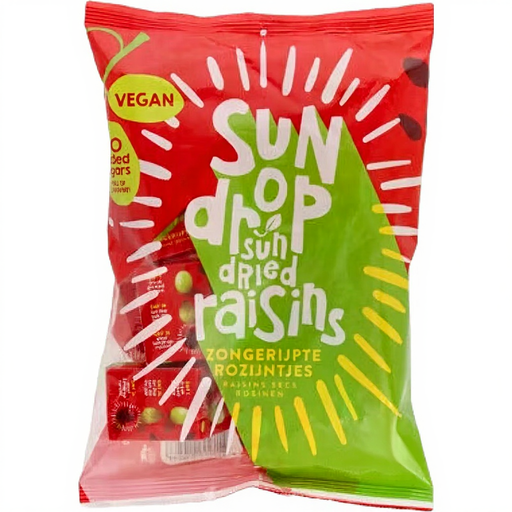
The product name describes these raisins as mini portions to hand out.
Ingredients: 99.5% raisins and sunflower oil.
 No image available
The individual boxes are a good fit if you don’t want to weigh out portions yourself.
10 boxes of 14 g. According to the product information, the product contains no added sugars.
According to the product information, suitable from 12 months. Supervise children while they eat, and don’t use the product for children with swallowing difficulties.
 No image available
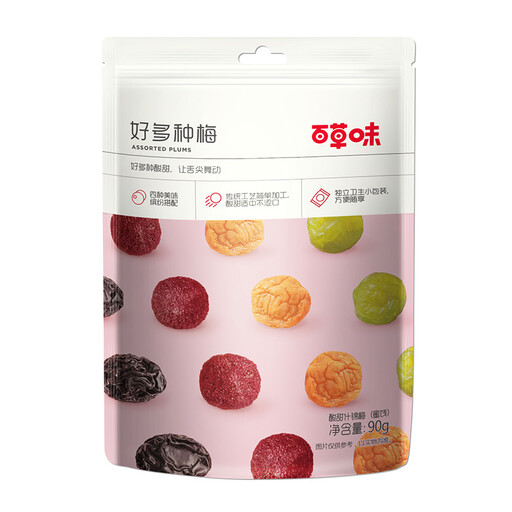
This resealable bag of dried plums is suited to anyone who wants to choose their own portion sizes for a treat.
90 g pack. The ingredients include white sugar, salt and sweeteners.
Not based only on the kcal per box. For solid foods, the ‘low energy’ claim requires a maximum of 40 kcal (170 kJ) per 100 g under Regulation (EC) No 1924/2006, as explained by the European Commission. The Jumbo product examined lists 293 kcal per 100 g, so it does not meet this requirement.
No. Don’t automatically use a stated portion as a treat portion for children. For example, AH Rozijnen lists a portion size of 50 g; at 344 kcal per 100 g, that amounts to 172 kcal. The Netherlands Nutrition Centre recommends keeping treat portions small.
Don’t give them lots of raisins at once, and stay with them while they eat. The Netherlands Nutrition Centre warns that children can choke on raisins or currants; an individual snack box doesn’t guarantee that it’s suitable for every child to eat unsupervised.
Check the current packaging and ask the group about any relevant allergies. The Netherlands Food and Consumer Product Safety Authority says that allergen information must appear on the label of prepacked foods. Raisin products may also carry a warning that they could contain allergens such as nuts, milk or soya.
Yes. Find out what rules apply to treats or celebrations before preparing anything edible. The Netherlands Nutrition Centre also discusses a no-treats policy for celebrations and suggests a shared gift as an alternative.