
Label readers who watch their fat intake
You compare the fat content in the nutrition table rather than basing your choice solely on the wording on the front of the pack.


To add fruit to a packed lunch, compare the fat content per 100 g, the portion size and the storage instructions. The Albert Heijn, Jumbo and PLUS apricots checked contain 0.5–0.6 g of fat per 100 g. However, a low fat content alone does not substantiate a comparative claim such as ‘reduced fat’. For children aged 4 to 12, the Netherlands Nutrition Centre recommends no more than one handful of dried fruit a day; don’t use it as a replacement for the whole lunch.
You compare the fat content in the nutrition table rather than basing your choice solely on the wording on the front of the pack.
You’re looking for a small serving of fruit to add to lunch for a child aged 4 to 12, not a replacement for the whole lunch. The Netherlands Nutrition Centre recommends no more than one handful of dried fruit a day for this age group.
You take food with you on days out during the holidays and want the storage instructions to suit what you can do while you’re out. Instructions can vary between product types.
For solid foods, the European Commission sets a maximum of 3 g of fat per 100 g for a ‘low fat’ claim. A low fat figure alone doesn’t demonstrate a comparative reduction, so check what comparison and nutrition information are given with a claim such as ‘reduced fat’.
| What to consider | What should you check? | Who is this important for? |
|---|---|---|
| Fat content and claims | Compare fat per 100 g. Don’t treat ‘low fat’ and a comparative claim as the same thing. | If I’m mainly watching fat, I compare the nutrition table rather than just the wording on the pack; around 25% of consumers prioritise fat content. |
| Sugar and portion size | Read the ingredients and total sugars, and decide in advance how much to pack. For children aged 4 to 12, the Netherlands Nutrition Centre recommends no more than one handful a day. | For my child’s lunch, I prefer to choose a small portion in advance and check total sugars too; around 25% of consumers prioritise sugar and portion size. |
| Taking it with you and storage | Check the storage instructions for after opening before splitting a pack between several lunches. | When I take food with me on a day out, I want to know whether I can store the fruit as directed on the pack; around 20% of consumers prioritise storage and portability. |
| Allergens and pit fragments | Read the current ingredients and allergen information. Also look out for any warning about pit fragments. | If I have a relevant allergy, I first check that the information on the pack is suitable for my needs; around 15% of consumers prioritise allergen suitability. |
| Pack size | Check the pack size and consider how much you’ll need to portion and store yourself. | If I’m taking fruit for several lunches, I consider how much I can portion out and store; around 15% of consumers prioritise pack size. |
The European Commission sets separate conditions for fat and energy claims. So a low fat content doesn’t prove that a product is also low in calories.
Check fat and energy separately, and bear in mind how much you actually eat.
PLUS states that its dried apricots contain 0 g of added sugars, but also 53.4 g of total sugars per 100 g.
Check both the ingredients and the nutrition table, and decide on the portion in advance.
AH Soaked Dried Apricots must be refrigerated after opening at a maximum of 7 °C.
Follow the instructions on the pack, especially if you plan to use an opened pack for several lunches.
Jumbo warns that, in exceptional cases, a piece of pit or pit fragments may be present.
Bear this product warning in mind when portioning the fruit.
These examples relate to individual product listings or ranges, not a supermarket’s entire selection. Check the nutrition information, ingredients and storage instructions on each pack.
Albert Heijn lists AH Soaked Dried Apricots for anyone specifically looking for soaked apricots.
Jumbo lists pitted dried apricots in a 250 g pack.
Lidl sells dried fruit, including apricots, under its Alesto brand.
Aldi lists Trader Joe’s sun-dried apricots in a 250 g pack.
PLUS lists dried apricots in a 375 g stand-up pouch.
Dirk lists 1 de Beste apricots in a 375 g pack.
These dried fruit products are for anyone who wants to put together their own lunch portions. Compare the nutrition information, ingredients and storage instructions for each product; details vary between variants.
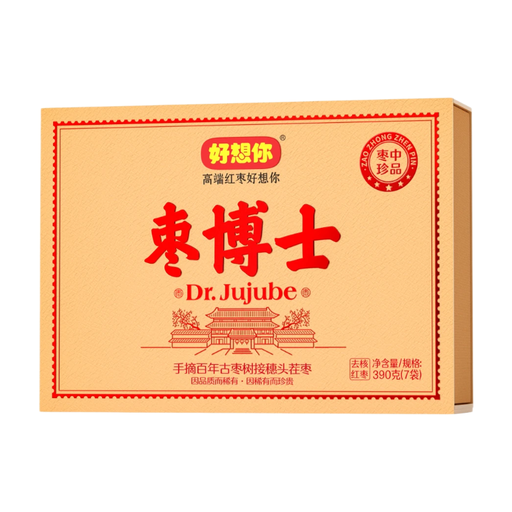 No image available
The description says these jujubes are pitted and ready to eat; consume them immediately after opening.
The product information states that they contain 0 g of fat per 100 g.
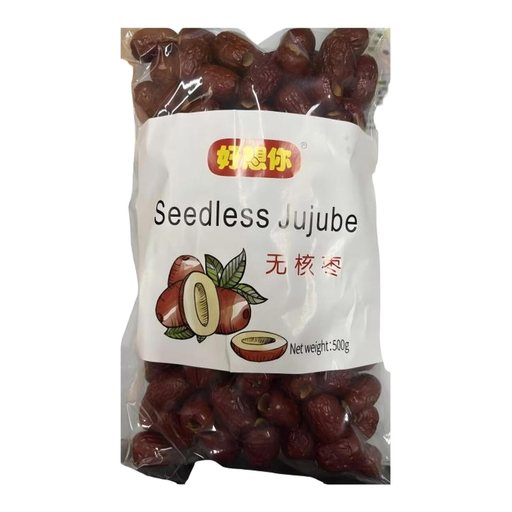 No image available
The product description says these red dates can be eaten as a snack or used as an ingredient.
The ingredients list 100% red dates; the nutrition information states that they contain 0.5 g of fat per 100 g. After opening, seal well and store below 15 °C.
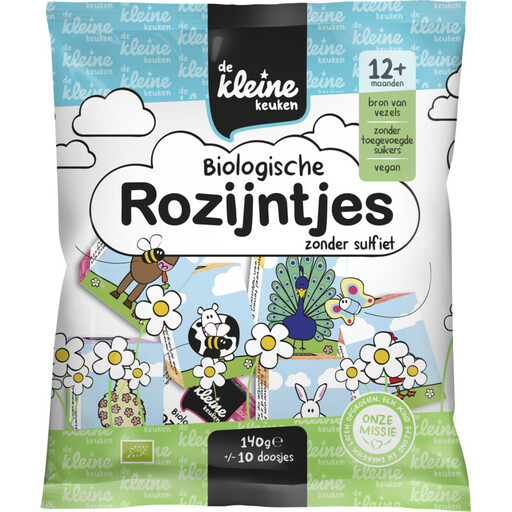 No image available
The description says the raisins come in 10 snack boxes of 14 g, making it easy to have a portion ready in advance.
The product description states that no sugar has been added; the pack says they are suitable from 12 months.
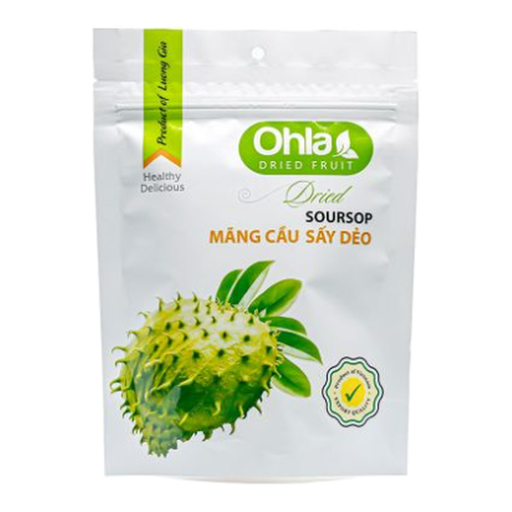 No image available
The product description suggests taking it with you or adding it to yoghurt or cereal.
The nutrition information states that it contains 2.21 g of fat and 72.6 g of sugars per 100 g. The ingredients list white sugar, glucose and sodium metabisulphite.
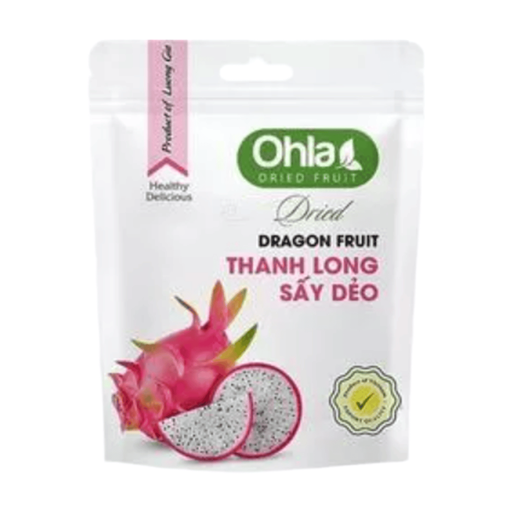 No image available
The nutrition information states that it contains 3.75 g of fat per 100 g. This is above the European Commission’s maximum of 3 g per 100 g for a ‘low fat’ claim on solid foods.
For solid foods, the European Commission sets a maximum of 3 g of fat per 100 g for a ‘low fat’ claim. This isn’t advice on how much a child should eat, and it doesn’t substantiate a comparative claim such as ‘reduced fat’.
No. PLUS states that its dried apricots contain 0 g of added sugars, but 53.4 g of total sugars per 100 g. So check both the ingredients and the nutrition table.
No, use it as an addition to a varied lunch. The Netherlands Nutrition Centre recommends including foods such as vegetables or fruit and brown or wholemeal bread as part of lunch.
No, follow the instructions for the specific product. AH Soaked Dried Apricots must be refrigerated after opening at a maximum of 7 °C; the instructions for Jumbo and PLUS dried apricots say to store them in a cool, dry, dark place.
Read the current ingredients and allergen information on the pack; the NVWA states that allergen information must appear on the label of prepacked products. Jumbo also warns that its dried apricots may contain nuts, peanuts and sesame.