
Families who use raisins regularly
If you plan to include raisins in several holiday lunches, a larger bag may suit how much you use. Jumbo sells its sultanas in 250 g, 500 g and 750 g packs.


A larger bag of dried fruit is a good fit if your family regularly uses the same type and you expect to finish it. If you use it less often or in smaller quantities, a smaller pack may suit you better. Check the ingredients and storage instructions too. For young children, offer small amounts of raisins and supervise them while they eat, as advised by the Netherlands Nutrition Centre.
If you plan to include raisins in several holiday lunches, a larger bag may suit how much you use. Jumbo sells its sultanas in 250 g, 500 g and 750 g packs.
When it comes to young children, both portion size and supervision at mealtimes matter. The Netherlands Nutrition Centre warns that children can choke on raisins or currants and advises against giving them too many at once.
If you don’t use dried fruit often or want to try different types, a smaller pack may be a better fit. In a poll of 840 parents of primary school pupils, the Netherlands Nutrition Centre also highlighted taste and storage as considerations for school lunches. The poll was published on 27 August 2026.
Start by thinking about how you’ll use it over the holiday: how much fruit you want to offer, how often you’ll serve the same type and whether the pack will fit in your cupboard.
| What to consider | What should you check? | Who should pay particular attention? |
|---|---|---|
| Pack size | Compare the net weight with how much you expect to use. A larger bag also needs more storage space, and you’ll need to portion it yourself. | If I want to serve the same type at several lunches, I’ll choose a pack size we’re likely to finish; around 33% of consumers prioritise choosing a pack that suits their needs. |
| Ingredients and serving | Read the ingredients and allergen information on the specific pack. Don’t give young children too many raisins at once, and supervise them while they eat. | When preparing lunch for young children, I want to know what’s in the pack and how much I’m offering; around 25% of consumers consider careful serving the most important factor. |
| Choosing the right amount | Match the pack size to how often you use the product, and follow the storage instructions for the variety you choose. | If dried fruit isn’t on the menu every day, I don’t want to buy more than we can use; around 25% of consumers prefer a pack size that matches how much they use. |
| Taste and variety | Choose a type of fruit that suits your preferences, and check the ingredients, whether it contains stones and what’s included in any mixes. | If my child enjoys different types, I want to be able to offer a variety without mistaking a fruit-and-nut mix for fruit alone; around 17% of consumers prioritise taste and variety. |
A larger pack doesn’t automatically mean it’s a better fit for your household. Products and pack sizes can vary.
Compare like-for-like products and work out how much you’ll actually use first.
A large supply isn’t a guide to portion size. The Netherlands Nutrition Centre warns that children can choke on raisins or currants.
Give young children small amounts and stay nearby while they eat.
A mix may contain ingredients other than fruit. This matters when you’re checking ingredients or allergens.
Read the information on the pack of the variety you’re buying. The Netherlands Food and Consumer Product Safety Authority says that relevant allergens must be clearly listed on the label.
The range includes different types of dried fruit, including dried pineapple described as ‘unsweetened’.
Its own-brand sultanas are listed in 250 g, 500 g and 750 g packs.
Lidl lists dried fruit as available in selected stores.
The range mentioned includes Trader Joe's raisins and pitted dried plums.
Plus lists Pagysa Sultana raisins in a 750 g stand-up pouch.
Dirk lists golden raisins in a 375 g pack.
The products below include different types of dried fruit and pack sizes for anyone looking to add variety to holiday lunches.
 No image available
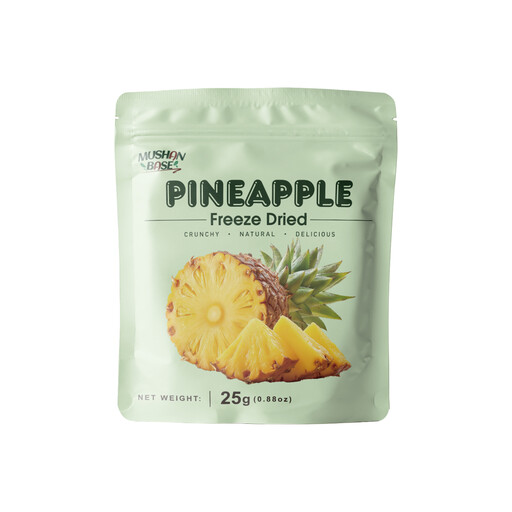
The 25 g pack is a good option if you’d like to try a small portion of pineapple or take it with you.
According to the product information, it contains 95% pineapple and 5% sugar. The pineapple can be eaten straight from the pack.
 No image available
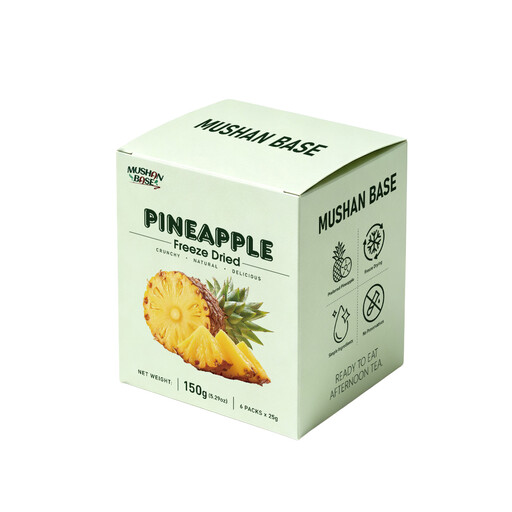
The six individual bags are a handy option if you want to serve the same type of fruit on several occasions.
The total weight is 150 g, divided into six 25 g portions. According to the product information, the pineapple contains 5% white sugar and is ready to eat.
 No image available
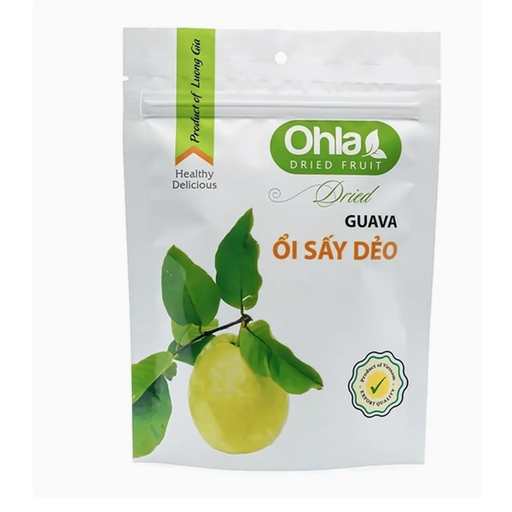
This pack offers a different type of fruit if you’d like an alternative to raisins or pineapple.
The pack contains 180 g. According to the product information, the guava contains 95% guava, sugar and a preservative.
 No image available
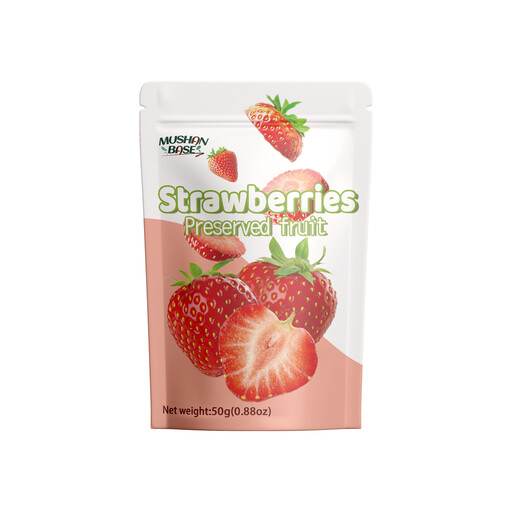
The 50 g pack is a smaller option if you’d like to try dried strawberries or use them as a topping.
According to the product information, the pack contains dried strawberries and sugar.
 No image available
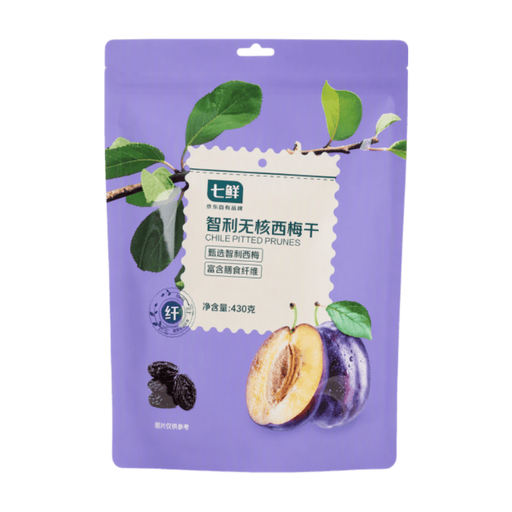
The 430 g pack is suited to anyone who wants to use prunes on several occasions rather than serving one small portion.
According to the product information, the prunes are pitted and ready to eat. The product description recommends consuming them straight after opening.
No, that amount isn’t automatically a recommended portion for every child or every lunch. The Netherlands Nutrition Centre mentions a maximum of 20 g of dried fruit a day on a general page about dates. Its specific guidance for children recommends offering small amounts of raisins.
Stay with young children while they eat. The Netherlands Nutrition Centre warns that children can choke on raisins or currants and advises against giving them too many at once.
Follow the storage instructions on the pack you’ve bought. For opened dried fruit mix, the Netherlands Nutrition Centre gives a storage time of 6–9 months in a kitchen cupboard. This doesn’t automatically apply to every type of dried fruit.
Check the ingredients and allergen information on the pack of the specific variety. The Netherlands Food and Consumer Product Safety Authority says that relevant allergens must be clearly listed on the label. Albert Heijn also warns that product information can change.
According to Business.gov.nl, food information must be available in Dutch on the label and online. Always check the latest information from the relevant retailer when choosing a product.