
Households that regularly share
You’re stocking up for several snack breaks and want to check that the pack size suits everyone at home.


A larger pack is a good fit if you regularly eat the same type of fruit and will use it all; for occasional snacking or more variety, a smaller pack or a mix may suit you better. Compare the net weight, ingredients and storage advice for each product: pack size doesn’t automatically determine how much you eat in one serving.
You’re stocking up for several snack breaks and want to check that the pack size suits everyone at home.
You fancy a sweet snack, prefer to choose your own portion and check for added sugars and any sulphites.
You don’t always eat the same fruit and pay attention to the quantity and how to store it after opening.
A good fit if: your household eats the same fruit on several occasions.
Bear in mind: you’ll have more in stock at home, so you’ll need to plan portions and storage carefully.
A good fit if: you eat dried fruit occasionally or want to try a type first.
Bear in mind: a smaller pack may not be as suitable if several people will be sharing it.
A good fit if: variety matters more to you than sticking to one type of fruit.
Bear in mind: the ingredients vary between mixes, so check the ingredients for the variety you choose.
| What to consider | What to look for | Who should pay closer attention? |
|---|---|---|
| Quantity for several occasions | Compare the net weight of the same type of fruit and consider how much your household will actually use. | If I eat the same fruit on different evenings, I want a pack size that suits how we use it; around 36% of consumers prioritise having the right amount in stock. |
| Portion size and sugar information | Check the ingredients and nutrition table separately. For the stewed apricots reviewed, Albert Heijn lists 0 g of added sugars and 37 g of total sugars per 100 g. | If you want to portion out your own sweet snack, look at both the serving size and the sugar information; around 29% of consumers prioritise portion size and ingredients. |
| Storage after opening | Follow the instructions on the pack. The Netherlands Nutrition Centre advises storing raisins in a cool, dry, dark place in a tightly sealed container. | If I won’t finish a large bag quickly, I want to know how to store it after opening; around 21% of consumers prioritise suitable storage. |
| Variety and ingredients | Choose between a single type of fruit and a mix, and check the ingredients and allergen information for each variety. | If you prefer variety, choose a mix with ingredients that suit your preferences; around 14% of consumers prioritise variety. |
A larger pack is for stocking up; its contents aren’t automatically the amount you’ll want for one snack break.
Decide on a portion in advance and put it in a bowl before putting the bag away.
Storage conditions vary by product. The Netherlands Nutrition Centre advises keeping raisins in a cool, dry, dark place in a tightly sealed container. For the stewed apricots reviewed, Albert Heijn advises refrigerating after opening at a maximum of 7°C.
Follow the storage advice on the pack for the specific type of fruit.
Added sugars and total sugars are different figures. For the stewed apricots reviewed, Albert Heijn lists 0 g of added sugars and 37 g of total sugars per 100 g.
Check both the ingredients list and the nutrition table for the variety you’re buying.
A mix or preparation may contain ingredients you can’t identify from the name alone.
Check the ingredients and allergen information on the exact pack; the NVWA requires relevant allergens to be clearly distinguished from the other ingredients.
The details below apply to the specific products or product listings mentioned, not to a brand’s or supermarket’s entire range.
An option for comparing stewed apricots and other dried fruit on a product-by-product basis.
The range of raisins reviewed includes different pack sizes to compare.
A product listing for dried fruit mix makes Lidl worth including when comparing different types of product.
The listings reviewed include both raisins and a smaller fruit mix.
The dried fruit listed gives you a choice between individual fruits and a mix.
The product listing reviewed is for raisins in a larger pack.
This selection includes dates, raisins and dried loquat for snack breaks, in pack sizes from 200 g to 908 g.
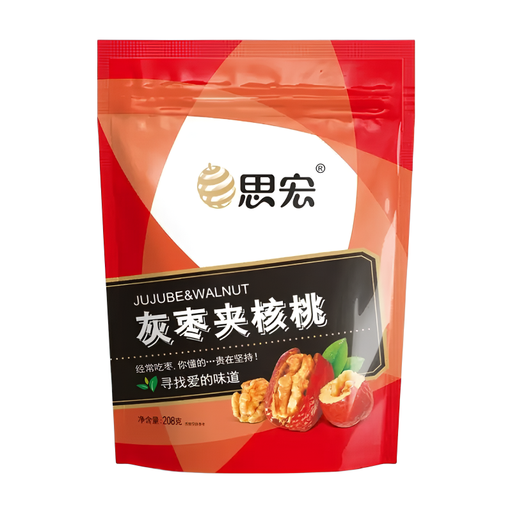 No image available
A combination of dates and walnuts for anyone looking for different ingredients in one snack.
The pack contains 208 g. Contains walnuts; store in a cool, dry place in line with the product instructions.
 No image available
A larger pack for anyone who wants to enjoy dates on several occasions.
The pack contains 908 g; the product description specifies pitted Medjool dates. Store in a cool, dry place.
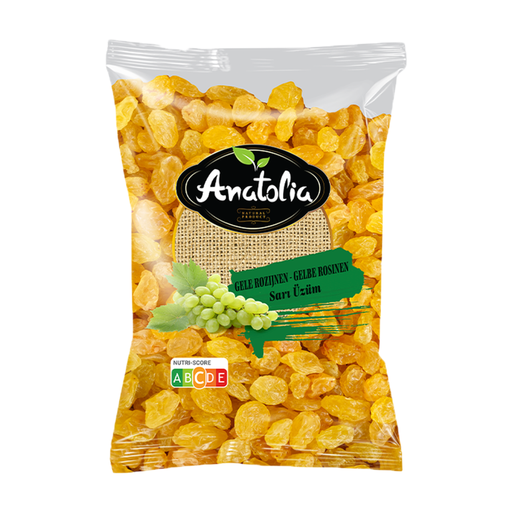 No image available
A pack of raisins for anyone looking for a single type of dried fruit.
The pack contains 500 g; the product description specifies 100% dried grapes. Keep the pack closed and store in a cool, dry place.
 No image available
A larger quantity of Medjoul dates to enjoy on several occasions.
The pack contains 908 g. Seal the pack tightly after opening and store in a cool, dry place.
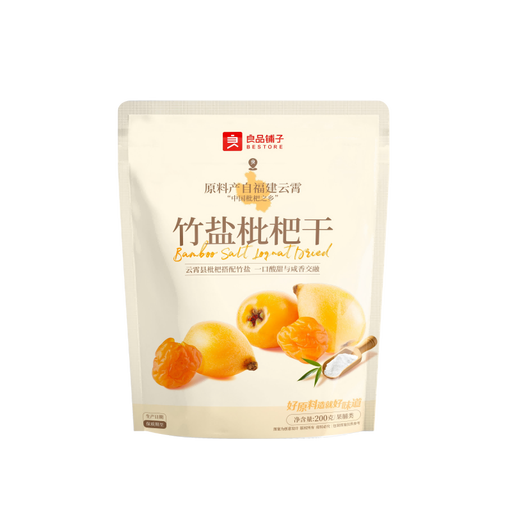 No image available
A smaller pack of dried loquat for anyone who wants to try a different type of fruit.
The pack contains 200 g. The product information lists added white sugar, sulphites and 66,2 g of sugars per 100 g.
No. For the stewed apricots reviewed, Albert Heijn lists 0 g of added sugars, but 37 g of total sugars per 100 g. So check both the ingredients and the nutrition table.
It depends on the product. The Netherlands Nutrition Centre advises storing raisins in a cool, dry, dark place in a tightly sealed container. For the stewed apricots reviewed, Albert Heijn advises refrigerating after opening at a maximum of 7°C.
According to the Netherlands Nutrition Centre’s storage guide, opened raisins can be kept in a kitchen cupboard for 6–9 months if you seal them properly and follow the storage instructions. This advice doesn’t automatically apply to other dried fruit, so check the label too.
Check the ingredients and allergen information on the exact pack. The Albert Heijn stewed apricots reviewed list sulphites; don’t assume another variety has the same ingredients.
Dutch government information states that label information must be in Dutch and available online too. The NVWA requires relevant allergens to be clearly distinguished from the other ingredients.