
Households planning morning portions
If you eat dried fruit regularly, one pack can provide several portions. Choose an amount that suits how much your household gets through.


A large pack of dried fruit is a good fit if you use it regularly and can follow the storage instructions once it’s opened. If you eat it less often or like to mix things up, a smaller pack or a different type of fruit may be more suitable. Check the ingredients and nutrition information for the exact variety you’re buying: details for one product don’t necessarily apply to another.
If you eat dried fruit regularly, one pack can provide several portions. Choose an amount that suits how much your household gets through.
If you want dried fruit as a snack, check the label for both added sugars and total sugars. This information can vary from product to product.
If you don’t eat the same fruit every day, a smaller pack or a different type of fruit may suit your habits better than a large bag of raisins alone.
First decide which type of fruit you want and how much you expect to use. Then check whether the pack size, ingredients and storage information suit your snacking habits.
| What to consider | What to look for | Who is this important for? |
|---|---|---|
| Amount you’ll use | Check the weight and think about how many portions you’ll actually use. | I want the amount to suit the snack occasions I have planned. Around 36% of consumers prioritise the balance between the amount they’ll use and what they buy. |
| Ingredients and portion size | Check the ingredients, total sugars per 100 g and the portion size shown on the pack. | I want to know what’s in my snack and be able to plan a portion. Around 29% of consumers prioritise the ingredients and amount. |
| Stock and storage | Choose a pack size that matches how much you use, and follow the storage instructions once opened. | I want a pack that suits my household and the way I store it after opening. This is the main consideration for around 21% of consumers. |
| Variety | Check the exact type of fruit and whether the pack contains one type or a mix. | I want to be able to choose different flavours rather than always having the same raisins. Around 14% of consumers prioritise variety. |
A larger bag means more stock at home. That doesn’t necessarily suit how often you eat the fruit or how you store the pack once it’s open.
Choose a size based on how much you expect to use, and check the storage instructions for the opened pack.
Albert Heijn lists AH Sun-dried Raisins 750 g as containing 0 g of added sugars, but also 59 g of total sugars per 100 g. This product information therefore doesn’t mean the raisins are sugar-free.
Check both the ingredients list and the nutrition table on the pack you choose.
Albert Heijn lists a portion size of 25 g for AH Sun-dried Raisins. This is the portion stated for this product, not a general guideline for every type of dried fruit or every consumer.
Keep the portion size stated for the product separate from dietary advice and your own portion planning.
According to the Netherlands Nutrition Centre, the printed best-before date applies while the pack is unopened. Storage instructions may be different once it has been opened.
Read the storage advice on the exact pack and follow it after opening the bag.
A useful reference if you want to look at a large pack of raisins with information about its ingredients and nutritional value.
A useful reference if you want to choose a pack size from a range of sultanas that suits how much you use.
A useful reference if you want to look at different dried tropical fruits in smaller packs.
A useful reference if you’re looking for a medium-sized pack of raisins.
A useful reference if you want to look at a smaller amount of sultanas.
A useful reference if you want to look at raisins and other types of dried fruit.
These products offer alternatives to raisins, in a range of pack sizes. Check the ingredients and storage information for each variety.
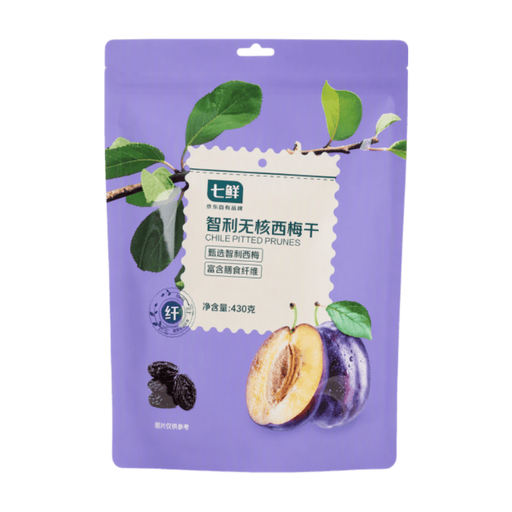 No image available
The product description suggests eating the prunes as they are or using them as a topping for yoghurt and porridge.
Weight: 430 g. The description recommends consuming the pack straight after opening.
 No image available
The product description suggests eating the apricots as a snack.
Weight: 250 g. The listed ingredients include sugar, maltose syrup and sulphites. The description recommends consuming the contents straight after opening.
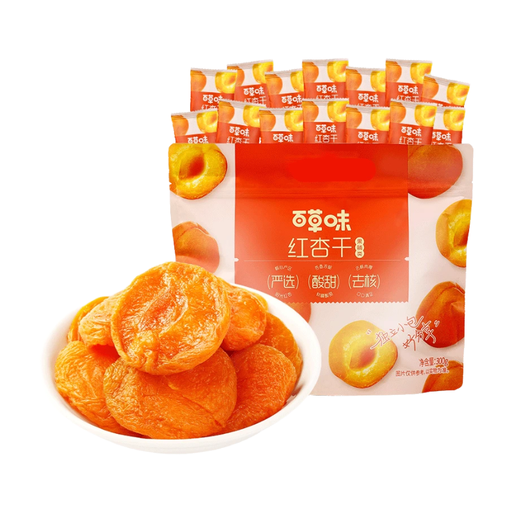 No image available
The product description suggests eating the apricots as a snack or packing them in a lunchbox.
Weight: 300 g. The listed ingredients include sugar, maltose syrup and sulphites.
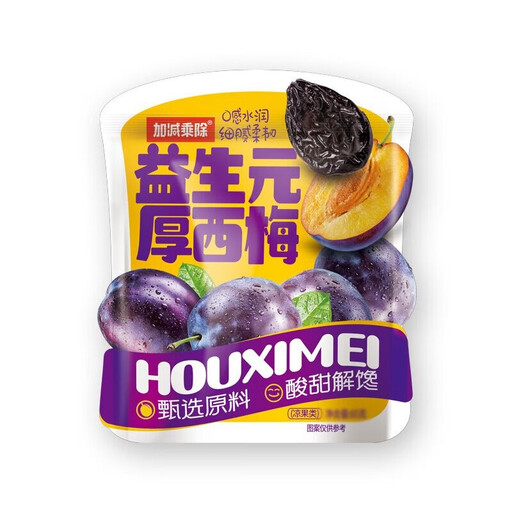 No image available
The product description suggests eating the plum slices as a snack.
Individually packed in 65 g portions. The description gives a best-before date of 23-09-2026, which has passed. Check the date and storage information on the pack before using the product.
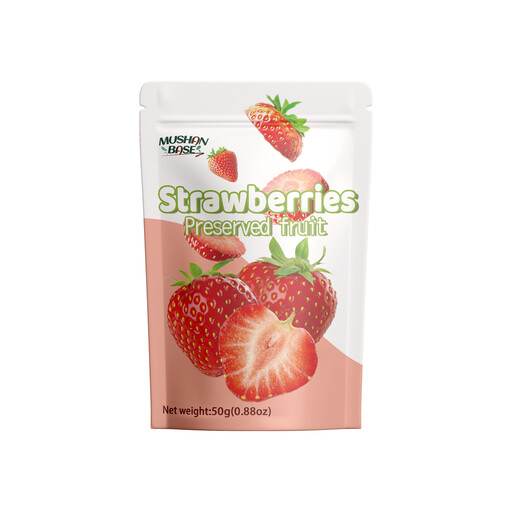 No image available
The product description suggests eating the strawberries as a snack or using them as a topping for yoghurt and desserts.
Weight: 50 g. The listed ingredients include sugar; the nutrition information lists 57.4 g of sugars per 100 g.
It depends on the portion size you choose: at 20 g per portion, 500 g provides 25 portions and 750 g provides 37 full portions, with 10 g left over. The World Cancer Research Fund recommends a maximum of 20 g of dried fruit per day; this is dietary advice, not a legal product limit. Albert Heijn lists a product portion of 25 g for AH Sun-dried Raisins, which is a different indication.
No. Albert Heijn lists AH Sun-dried Raisins as containing 0 g of added sugars and 59 g of total sugars per 100 g. The Netherlands Nutrition Centre distinguishes between products with and without added sugar; check both the ingredients and the nutrition table for the variety you choose.
Follow the storage instructions on the pack for the exact variety. For AH Sun-dried Raisins, the advice is to store in a cool, dark and dry place. According to the Netherlands Nutrition Centre, the printed best-before date applies while the pack is unopened; don’t use this to assume a storage period after opening for other products.
Check the allergen information on the pack. According to the Netherlands Food and Consumer Product Safety Authority, this information must appear on the label of prepacked products. This is relevant for ingredients such as sulphites or nuts; the general product name ‘dried fruit’ doesn’t tell you what’s in a specific variety.
Best-before and use-by dates don’t mean the same thing. The Netherlands Nutrition Centre describes a best-before date as a quality date and advises you to look, smell and taste the product. A use-by date is about safety, so you shouldn’t eat the product after that date. Check which type of date is shown on the pack, and take account of the storage conditions and the date that applies to an unopened pack.