What should you look for when choosing?
Consider the fat content alongside the portion size, how easy it is to take with you and the ingredients. That way, one figure on the label won’t determine your whole choice.
| What to consider |
What should you look for? |
Who might find this important? |
| Fat content and claims |
Check the fat per 100 g and make sure any comparative claim appears on the exact pack. |
If I’m looking for a low-fat option, I want to assess the figure without confusing ‘low fat’ with ‘reduced fat’. Around 36% of consumers focus on fat content and understanding claims. |
| Portion size and nutritional value |
Compare energy and sugars per 100 g and for the amount you’ll actually eat. |
If I want a modest snack, I look at my portion size as well as the fat figure. Around 29% of consumers prioritise portion control. |
| Easy to take with you |
Check the weight of each individual box and whether the ingredients suit your needs. |
If I don’t want to weigh out a portion while I’m out, a pre-portioned pack fits my routine better. Around 21% of consumers prioritise convenience on the go. |
| Ingredients and allergens |
Read the ingredients and allergen information for the exact product, including any sulphites and ‘may contain’ warnings. |
If ingredients or possible allergens affect my choice, I want to check the pack for that exact product. Around 14% of consumers make this their main purchasing priority. |
Products at Joybuy
These product options include small boxes of raisins and packs of dried fruit that you can portion out yourself to take with you.
 No image available
De Kleine Keuken Organic raisins 12M+ 140 g
The product description lists ten individual 14 g boxes, so there’s no need to weigh out a portion yourself.
Described as organic and free from added sugar and sulphites. Suitable only from 12 months; supervise children while they eat. Not suitable for children with swallowing difficulties.
View at Joybuy
 No image available
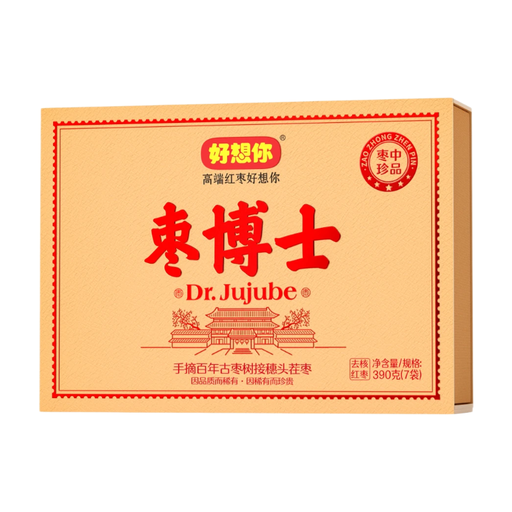
Haoxiangni Dr.Jujube Premium Gold-Grade Pitted 390 g
The pitted jujubes are ready to eat, according to the product description. For a snack on the go, portion some out from the 390 g pack.
The product information lists 0 g of fat, 327 kcal and 50.0 g of sugars per 100 g. These figures apply to this product and don’t prove a comparative ‘reduced fat’ claim.
View at Joybuy
 No image available
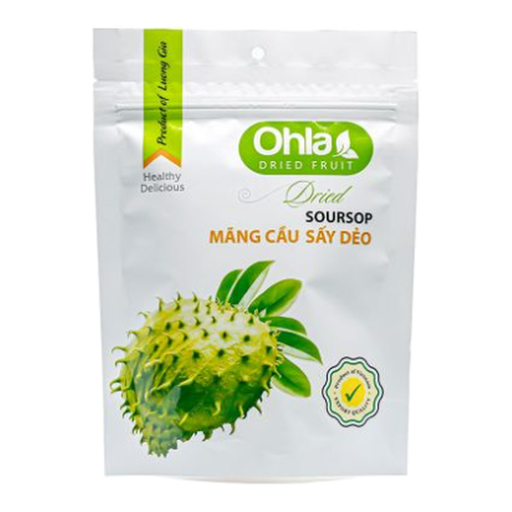
OHLA Dried Soursop 180 g
This is dried soursop in a 180 g pack; for a small snack on the go, take a portion with you.
The product information lists soursop, white sugar and glucose. The table lists 2.21 g of fat, 348 kcal and 72.6 g of sugars per 100 g.
View at Joybuy
 No image available
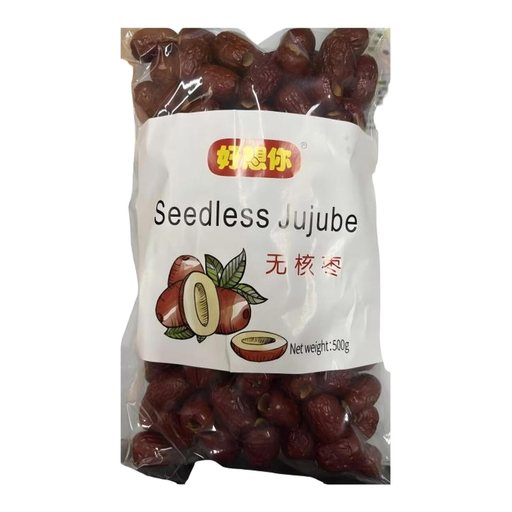
Haoxiangni Pitted Jujubes 500 g
The product description lists pitted red dates; you’ll need to portion some out from the 500 g pack to take with you.
According to the product description, the ingredients are 100% red dates. The table lists 0.5 g of fat, 300 kcal and 60 g of sugars per 100 g.
View at Joybuy
 No image available
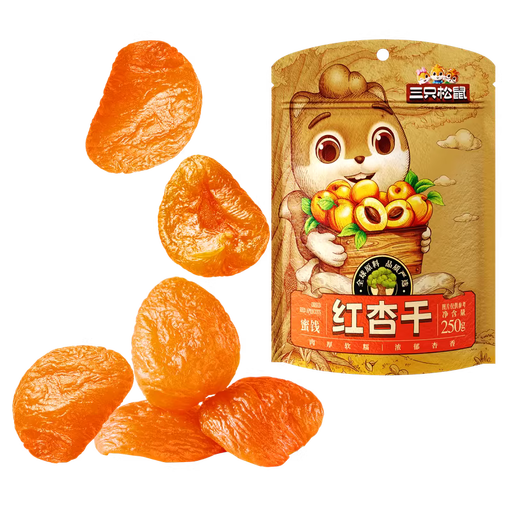
Three Squirrels Red Apricot Dried 250 g
The product description lists a resealable 250 g bag; weigh out a small portion yourself to take with you.
The ingredients description lists apricot, sugar and maltose syrup; the product contains sulphites. The table lists 0 g of fat, 311 kcal and 62.0 g of sugars per 100 g.
View at Joybuy
Frequently asked questions
Does 0.4–0.5 g of fat per 100 g prove that dried fruit is ‘reduced fat’?
No. The tables reviewed for Albert Heijn, Jumbo and PLUS list those figures for the specific products, but a low absolute fat content doesn’t prove a reduction compared with another product. The European Commission sets a maximum of 3 g of fat per 100 g for the ‘low fat’ claim on solid foods.
Is the portion size on a product page the same as the recommended daily amount?
No. For the raisins reviewed, AH gives a portion size of 25 g, Jumbo uses 15 g for the sultanas reviewed, and the boxes contain 14 g each. The Netherlands Nutrition Centre recommends a maximum of 20 g of dried fruit per day; this is dietary advice, not a legally defined portion size.
Does ‘no added sugar’ mean there’s no sugar in the product?
No. The product information for PLUS Dried Apricots lists 0 g of added sugars, but 53.4 g of total sugars per 100 g. The Netherlands Nutrition Centre explains that products with no added sugars can still contain naturally occurring sugars.
What should I look for if I’m concerned about sulphites or possible traces of allergens?
Check the ingredients and allergen information on the current packaging for the exact product. The PLUS apricots reviewed contain sulphites; the product information for the Jumbo boxes notes that they may contain traces of nuts, milk and soya, among other things. The Netherlands Nutrition Centre notes that sulphite sensitivity is an exception.
What if I still have the Jumbo batch mentioned at home?
Do not eat the batch with barcode 8718452534326 and best-before date 28-07-2026. Productwaarschuwing.nl reported a warning for that specific batch in November 2025; the stated best-before date has now passed. The warning does not automatically apply to other Jumbo packs. Contact Jumbo for advice on what to do.


