Which type of packaging is right for you?

Heading out with no preparation

You want to take an individually packed snack with your coffee and don’t want to weigh it out while you’re on the go. Raisin boxes are one option; the weight of each box determines how much you take with you. Jumbo describes the boxes as handy for taking on the go.

Choosing a small portion

You’re mainly guided by the quantity and ingredients. Check separately whether sugar or syrup has been added, and keep an eye on how much you eat: unsweetened doesn’t mean dried fruit contains no natural sugars.

Portioning it yourself for working days

You don’t mind weighing out portions at home and are looking for a larger pack to keep in stock. ALDI lists raisins in a 500 g pack and PLUS sultanas in a 375 g stand-up pouch; follow the storage instructions once opened.

What should you look for in dried fruit for on the go?

Individual raisin boxes

Choose this if: you want to take a single pack with you without repacking it at home.

Bear in mind: Jumbo lists a pack containing 14 boxes; the number of boxes doesn’t tell you how many grams are in each one.

Resealable fruit bag

Choose this if: you want to use the same pack for several snack breaks and reseal it in between. Lidl and ALDI describe 200 g varieties in resealable packaging.

Bear in mind: resealable packaging doesn’t determine the portion size. Check the exact variety too, as the ALDI product range includes varieties with nuts.

Portion it yourself

Choose this if: you want to portion it out at home from a larger pack. ALDI lists 500 g of raisins and PLUS lists 375 g of sultanas.

Bear in mind: you’ll need to portion it out yourself and follow the storage instructions once opened; the best-before date for an unopened pack won’t necessarily apply once it’s been opened.

What to consider What to look for Who is this more important to?
Convenient packaging Choose between individual boxes and a resealable bag; if you opt for boxes, check the weight of each one. If I want to take something with my coffee on my commute without packing it at home, convenience comes first. Around 36% of consumers prioritise practical packaging.
Portion and ingredients Weigh out the amount; the World Cancer Research Fund recommends eating no more than 20 g of dried fruit a day. Also check whether sugar or syrup has been added. I want to decide for myself how much I eat with my coffee and check what sugar has been added. Around 29% of consumers prioritise portion size and ingredients.
Cost and preparation Compare products on the same weight basis and use the same amount for each snack; factor in the time needed to portion it out yourself. If I want to portion it out at home and compare the cost per snack, I’m happy to do a little extra preparation. Around 21% of consumers prioritise cost and portioning it themselves.
Storage and ingredients Follow the storage instructions once opened, and check the ingredients and allergen information for the exact variety if it’s relevant to you. If storage after opening or a particular food sensitivity affects my choice, I check the label for that variety. Around 14% of consumers prioritise these considerations.

Common buying mistakes

  • Assuming a bag to take with you is a single portion

    A resealable pack is designed to be closed again, not to be treated as one snack portion. The World Cancer Research Fund recommends eating no more than 20 g of dried fruit a day; this is dietary advice, not a legal limit for pack sizes.

    Decide in advance how much you want to take with you and measure it out.

  • Confusing unsweetened with sugar-free

    Unsweetened dried fruit still contains natural sugars. The Netherlands Nutrition Centre says that sweetened dried fruit isn’t included in the Dutch Wheel of Five healthy eating guidelines.

    Read the ingredients list and nutritional information separately, then keep an eye on how much you eat.

  • Assuming every fruit mix contains the same ingredients

    A product range may include different varieties, including ones with nuts. The exact ingredients can therefore vary from pack to pack; dried fruit may also contain sulphites.

    Check the allergen information on the label for the variety you’ve chosen. The Netherlands Food and Consumer Product Safety Authority (NVWA) states that this information must be shown on the label of prepacked products.

  • Relying on the date for an unopened pack after opening

    According to the Netherlands Nutrition Centre, the original best-before date applies while the pack remains unopened. Additional storage instructions may apply once it’s opened.

    Keep the label and follow the instructions for after opening, even if you transfer the portions to another container.

    Don’t open or repack more than you can use in time, or you may end up with leftover dried fruit.

Supermarket chains with useful dried fruit formats

Albert Heijn

According to Albert Heijn, its dried fruit range includes dried unsweetened pineapple and fruit and nut mixes.

  • The products mentioned show a range of fruit types and mixes.
  • A product listing doesn’t guarantee local availability or say anything about the nutritional quality of the full range.

Jumbo

Jumbo lists snack raisins in a pack containing 14 boxes.

  • Individual boxes are an option if you want to take a pack with you without portioning it out at home.
  • The box format described doesn’t tell you how many grams are in each box.

Lidl

Lidl describes 200 g dried fruit mixes, including cranberry and cranberry and raisin varieties.

  • The pack mentioned is resealable.
  • Check the exact variety and ingredients; resealable packaging doesn’t determine how much you eat per snack.

ALDI

ALDI lists 500 g of raisins, among other products, and a 200 g resealable product range with different varieties.

  • The larger pack of raisins can be a good starting point for portioning out snacks at home.
  • The 200 g product range also includes varieties with nuts, so it isn’t one uniform fruit mix.

PLUS

PLUS lists sultanas in a 375 g stand-up pouch.

  • This size may suit anyone who wants to portion out snacks from a larger pack.
  • A stand-up pouch isn’t necessarily resealable; check the packaging and storage instructions.

Dirk

Dirk lists apricots and pitted prunes, among other products, as well as various date products.

  • The range page distinguishes between products with and without stones.
  • A product without a stone isn’t automatically packed as an individual snack portion.

Dried fruit products on Joybuy

Below are Joybuy products featuring dried dates, guava, soursop and loquat; one variety combines dates with walnuts. Compare the packaging and ingredients with the amount you want to take with you.

Medjoul dates, 908 g

Medjoul dates, 908 g

The larger pack suits anyone who wants to portion out an amount to take with them at home.

Pack size: 908 g. Choose how much to take for each snack break.

View on Joybuy
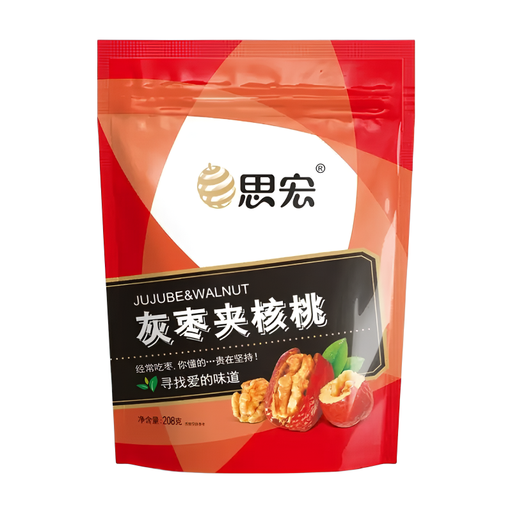
Sihong dates with walnuts, 208 g

Sihong dates with walnuts, 208 g

An option if you’re looking for a snack made with dried dates and walnuts.

Pack size: 208 g. Contains walnuts; bear this in mind if nuts are relevant to you.

View on Joybuy

OHLA dried guava, 180 g

OHLA dried guava, 180 g

A different type of fruit to portion out yourself for taking with you.

Pack size: 180 g. Also contains sugar and a preservative; check the ingredients if added ingredients are important to you.

View on Joybuy
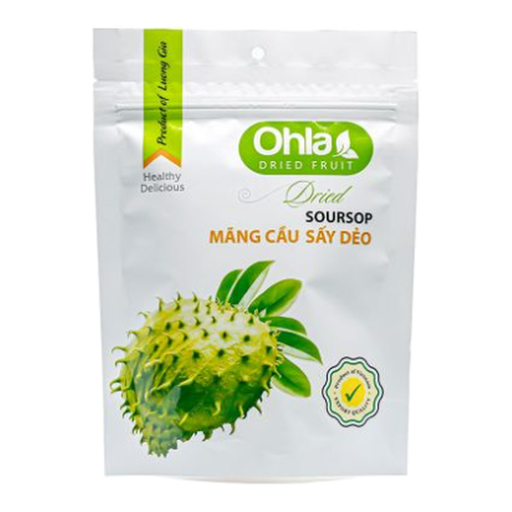
OHLA dried soursop, 180 g

OHLA dried soursop, 180 g

An option if you want to take dried soursop with you and choose the amount yourself.

Pack size: 180 g. Contains sugar, glucose and sodium metabisulphite; check the ingredients if these are relevant to you.

View on Joybuy
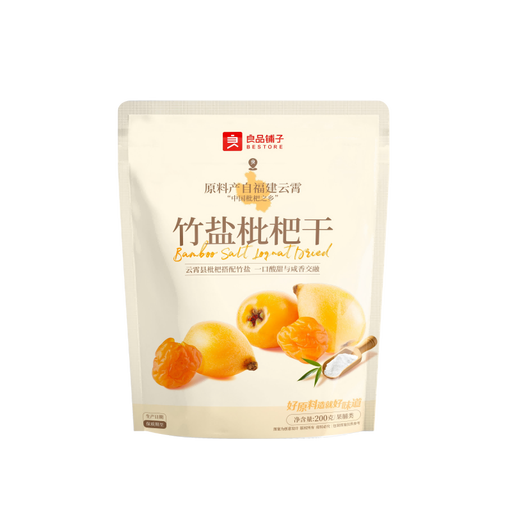
Bestore dried loquat with bamboo salt, 200 g

Bestore dried loquat with bamboo salt, 200 g

Another type of dried fruit to portion out yourself for a snack break.

Pack size: 200 g. Contains added sugar and sulphites; check the ingredients if these are relevant to you.

View on Joybuy

Frequently asked questions

How much dried fruit should you have as a small snack with your coffee?

Measure out the amount rather than treating the whole bag as one portion. The World Cancer Research Fund recommends eating no more than 20 g of dried fruit a day; this is dietary advice, not a legal maximum pack size.

Is unsweetened dried fruit the same as sugar-free?

No. Dried fruit contains natural sugars, and choosing an unsweetened variety doesn’t remove them. Check separately whether sugar or syrup has been added. The Netherlands Nutrition Centre says that sweetened dried fruit isn’t included in the Dutch Wheel of Five healthy eating guidelines.

What allergen information will I find on a prepacked product?

According to the Netherlands Food and Consumer Product Safety Authority (NVWA), allergen information must appear on the label of prepacked products. Check the label for the exact variety if certain ingredients, such as nuts or sulphites, are relevant to you.

Can you still rely on the best-before date after opening?

The original best-before date applies while the pack is unopened. Follow any additional storage instructions once it’s open. If the label shows a use-by date, don’t use the product after that date.

How do you compare the cost of boxes and larger bags?

Compare them on the same weight basis and use the same amount per snack. ALDI and PLUS product pages list the net weight and unit prices; comparing only the price of the whole pack isn’t an like-for-like comparison.
