
Snackers looking for low-fat options
You want to compare the fat content of the exact product and avoid mistaking a low fat content for a proven reduction.


If you’re mainly looking to reduce fat while on a road trip, compare the fat content per 100 g of the exact products you’re considering. A low absolute fat content doesn’t prove that a product contains less fat than another. Also check energy, sugars, portion size, ingredients and storage advice: low fat doesn’t automatically mean low in calories.
You want to compare the fat content of the exact product and avoid mistaking a low fat content for a proven reduction.
You want to eat a suitable amount while on the go, so you also check energy and sugars. The Netherlands Nutrition Centre advises having no more than a handful of dried fruit without added sugar.
You want to portion out your snack in advance and take the storage instructions into account. Storing it in a warm car isn’t the same as storing it in a cool cupboard.
First compare the nutritional values on the same basis, then decide how much to take with you. For snacks on the go, also check the ingredients, warnings and storage instructions on the exact pack.
| What to consider | What to look for | Who is this important for? |
|---|---|---|
| Fat content and claims | Compare fat per 100 g; assess any claim about fat reduction separately. | If I’m mainly looking to reduce fat, I check the ingredients of the exact product rather than relying on a label alone. Around 26% of consumers prioritise fat content. |
| Energy and portion size | Compare energy and sugars per 100 g, and portion out the amount you’ve chosen in advance. | If I want to keep an eye on my portion while travelling, I also check energy and sugars. Around 26% of consumers prioritise portion size and energy. |
| Taking it with you and storage | Check the seal and storage advice, including after opening, and plan where the pack will go during the journey. | If I want to portion out snacks for the journey in advance, I look for packaging that can be stored according to the label. Around 21% of consumers prioritise convenience when taking snacks with them. |
| Ingredients and warnings | Read the ingredients, allergens and product-specific warnings on the exact pack. | If a food sensitivity or warning about possible stone fragments is a concern, I check the label before buying for several travellers. Around 16% of consumers make this their first selection criterion. |
| Pack size | Choose an amount that suits the journey and that you can store after opening according to the storage advice. | If I’m considering a larger bag, I want to know whether the amount suits how I’ll use it and where I can store it. Around 11% of consumers start with pack size and purchase cost. |
Fat and energy are different nutritional values. Dried fruit can also contain sugars.
Compare energy per 100 g and decide in advance how much to take with you, even if the fat content is low.
The AH product tested contains coconut oil and sugar, and lists 30 g of fat per 100 g.
Check the ingredients and nutrition table for the exact product before comparing it with other dried fruit.
For raisins, the Netherlands Nutrition Centre advises storing them in a cool, dry, dark place in a tightly sealed container. This advice doesn’t confirm that keeping them in a hot car is suitable.
Plan a suitable place to store them and follow the pack instructions after opening, too.
The products reviewed include unsweetened dried mango and sweetened banana chips; nutritional values vary by product.
The dried pitted apricots reviewed have a detailed nutrition table for comparison.
The product page reviewed is for Alesto dried mango.
The pages reviewed show Trader Joe’s raisins and a cranberry and raisin mix.
The Sultana raisins reviewed have product information you can check.
The product page reviewed shows a 750 g bag of raisins.
Here you’ll find dried fruit products from Joybuy. Use the nutritional values and ingredients shown to compare options for your journey; a low fat content doesn’t automatically prove that a product has reduced fat.
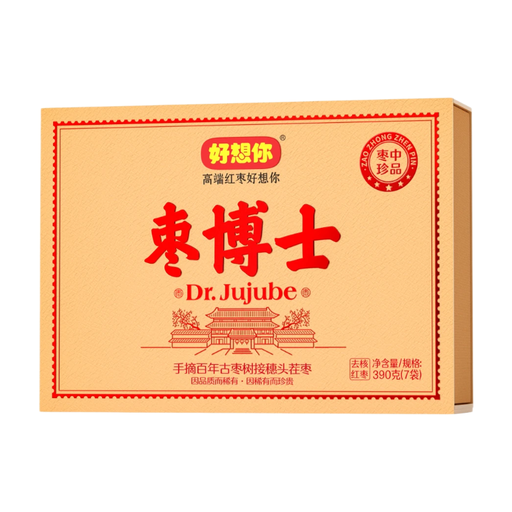 No image available
The product information describes pitted jujubes (red dates) that are ready to eat, and advises storing them in a cool, dry place.
Per 100 g: 0 g fat and 327 kcal.
 No image available
The product information lists guava (95%) and sugar. Store in a cool, dry place and seal well after opening.
Per 100 g: 1.73 g fat and 308 kcal.
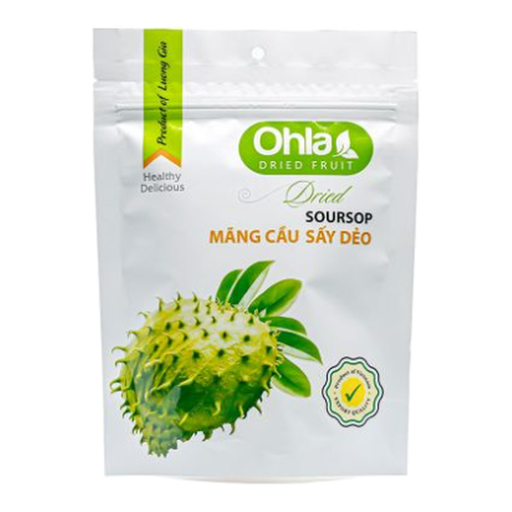 No image available
The product information lists approximately 95% soursop, white sugar and glucose. Store in a cool, dry place and seal well or refrigerate after opening.
Per 100 g: 2.21 g fat and 348 kcal.
 No image available
The product information lists red dates as the only ingredient and describes the jujubes as pitted and ready to eat.
Per 100 g: 0.5 g fat and 300 kcal.
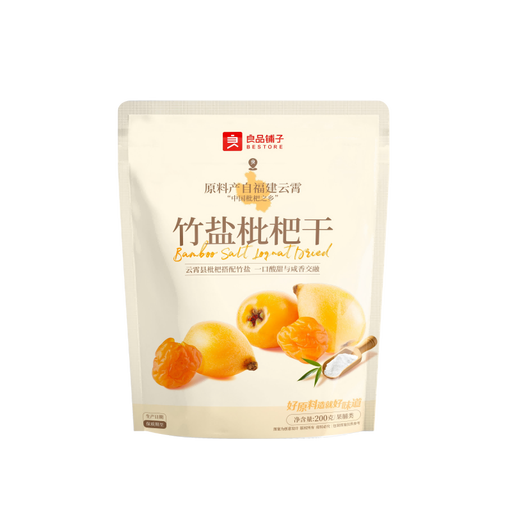 No image available
The product information lists loquat, sugar, syrup, glucose powder and sulphites. Store in a cool, dry place away from direct sunlight.
Per 100 g: 0 g fat and 311 kcal.
No. A low absolute fat content doesn’t, on its own, mean a product contains less fat than another. Compare the nutritional values and check whether the reduced-fat claim is supported for the exact product.
Compare fat, energy and sugars per 100 g, and also decide on your portion size. The Netherlands Nutrition Centre advises having no more than a handful of dried fruit without added sugar.
Follow the storage instructions on the pack. For raisins, the Netherlands Nutrition Centre advises storing them in a cool, dry, dark place in a tightly sealed container; this advice doesn’t confirm that keeping them in a hot car for a long time is suitable.
Check the ingredients and allergen information on the exact pack. The Jumbo product reviewed lists sulphites and warns that stone fragments may be present.