What should you look for in dried fruit for the office?
First compare a weighed portion, then check that the storage advice suits the place where you plan to keep the opened pack.
| What to consider |
What to look for |
Who is this important for? |
| Energy per portion |
Compare kcal per 100 g, then weigh the amount you want. For 20 g, the calculated values are 36.4 kcal for AH soaked apricots, 47.4 for Jumbo ordinary apricots, 56.4 for PLUS prunes and 68.8 for AH Raisins. |
If I want to keep my snack portion small, I want to know how much energy it contains. Around 36% of consumers mainly want to limit the energy in the portion they eat. |
| Storage after opening |
Check the instructions for the opened pack: AH soaked apricots must be kept refrigerated at a maximum of 7°C; the ordinary apricots, prunes and raisins we looked at should be stored in a cool, dry, dark place. |
If I’m putting fruit out for colleagues, the storage advice needs to suit the space available. Around 28% of consumers say suitable storage is the deciding factor. |
| Sugars and ingredients |
Check added sugars and total sugars separately, and look at the ingredients and allergen information for the exact product variant. |
If I want to check sugar or specific ingredients and allergens, I need information for the correct pack. Around 22% of consumers put checking ingredients first. |
| Pack size |
Compare the net weight with expected use and the storage instructions; the packs we looked at range from 250 g to 375 g. |
If I regularly buy snacks for the office, I want to choose an amount that suits how much we use and can be stored properly. Around 14% of consumers mainly consider the amount they need for repeat purchases. |
The calculations for 20 g provide a like-for-like comparison of these specific products; they are not a recommended portion size. For solid foods, the European Commission sets a maximum of 40 kcal per 100 g for a ‘low energy’ claim. So a smaller portion does not make a product low in calories.
Joybuy products for your snack stash
These Joybuy products are suitable options if you’re looking for dried fruit to snack on at the office. When choosing, check the portion, ingredients and storage instructions on the relevant pack.
 No image available
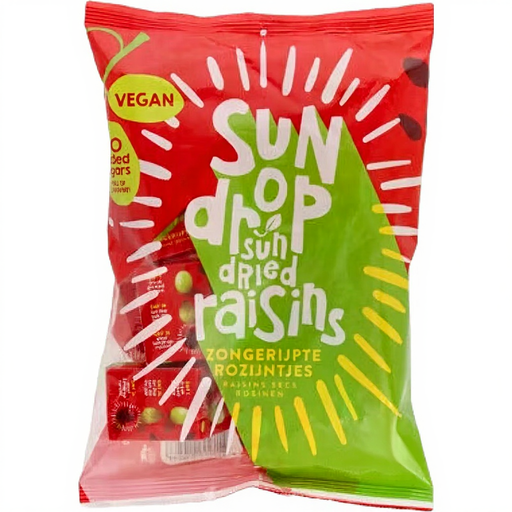
Sundrop Mini Raisin Handouts, 252 g
The mini portions make these easy to recognise as a raisin snack for the office.
The product description lists 99.5% raisins and sunflower oil. Store in a cool, dry place and keep the pack sealed after opening.
Joybuy
 No image available
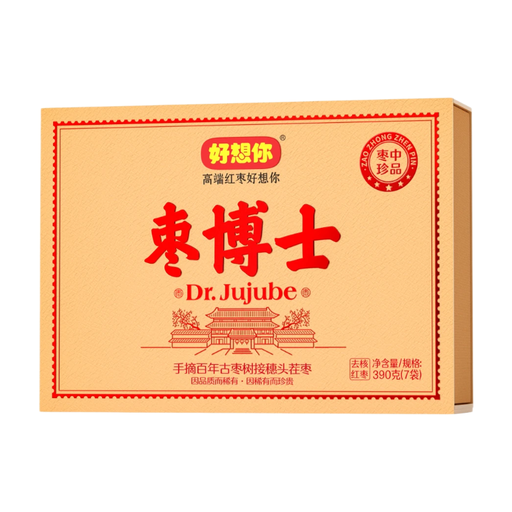
Haoxiangni Dr.Jujube Premium Gold-Grade Pitted, 390 g
According to the product description, these pitted red dates are ready to eat.
The product information lists 327 kcal per 100 g and advises storing in a cool, dry place.
Joybuy
 No image available
OHLA dried guava, 180 g
The product description presents dried guava as a snack and gives an energy value for comparing portions.
According to the product information, the product is 95% guava and contains sugar and a preservative. It lists 308 kcal per 100 g; store in a cool, dry place and seal well after opening.
Joybuy
 No image available
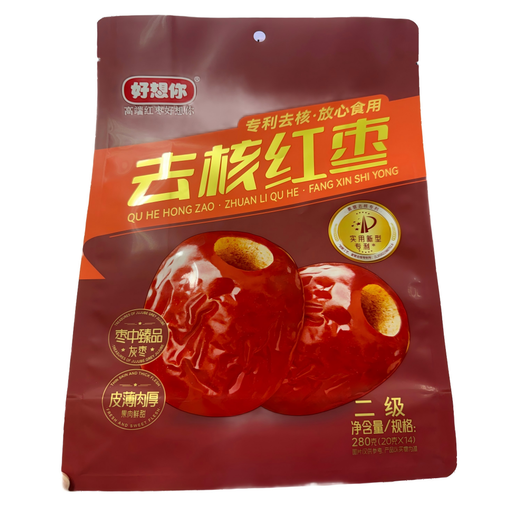
Haoxiangni Grade 2 Fresh-Locked Pitted Red Dates Original Flavour, 280 g
The product description says these pitted red dates are ready to eat.
The product information lists 343 kcal per 100 g and advises storing in a cool, dry place.
Joybuy
 No image available
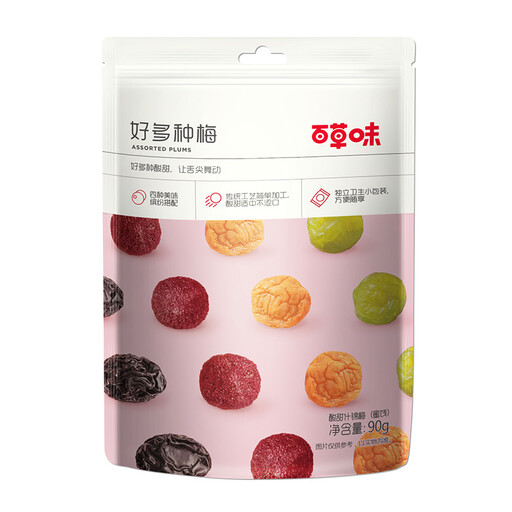
Be&Cheery Various Dried Plum, 90 g
The product description presents dried prunes as a ready-to-eat snack.
The product information lists 68 kcal per 100 g and names sugar, salt and sweetener as ingredients; the salt content is 3.0 g per 100 g. Store in a cool, dry place and keep sealed after opening.
Joybuy
Frequently asked questions
Can you call these products low-calorie if you only eat a small portion?
No. A small portion does not make the product itself low in calories. For solid foods, the European Commission sets a maximum of 40 kcal per 100 g for a ‘low energy’ claim; the four supermarket products we looked at are all above this threshold. It’s better to state the kcal in a weighed portion.
Is 20 grams a required portion of dried fruit?
No. In this comparison, 20 g is simply the same amount used to calculate the figures and compare the products. The labels don’t all use the same portion size; the Netherlands Nutrition Centre advises eating no more than a handful of dried fruit without added sugar.
How long can opened dried fruit be left in the office snack tin?
Follow the storage advice on the exact pack; there is no single recommended time for all dried fruit. Once opened, AH soaked apricots must be kept refrigerated at a maximum of 7°C and have a limited shelf life. The ordinary apricots, prunes and raisins we looked at are labelled for storage in a cool, dry, dark place.
How can you keep allergen information available when colleagues share the same snack tin?
Keep the original packaging, or the ingredients and allergen information for the exact variant, with the snacks. The Jumbo apricots we looked at list sulphites and possible traces of nuts, peanuts and sesame; AH soaked apricots list sulphites. The Netherlands Food and Consumer Product Safety Authority (NVWA) outlines information requirements for pre-packed products and unpackaged food sold commercially, for example through catering.
Why might a general calorie figure differ from the product label?
A general nutrition table may not describe the specific pack you’re buying. For generic dried prunes, the Netherlands Nutrition Centre gives 40 kcal per 20 g portion; the label for the PLUS prunes we looked at lists 282 kcal per 100 g, which works out at 56.4 kcal per 20 g. For that purchase, use the information on the product-specific label.


