What should you look for in dried fruit for the office?
Start with the energy in your weighed portion, then check the ingredients and storage advice. This helps you compare packs on the points that matter for a snack at work.
| What to consider |
What should you check? |
Who is this important for? |
| Energy per portion |
Use the kcal per 100 g listed on the exact pack and calculate the amount for your weighed portion. The Netherlands Nutrition Centre recommends no more than 20 g of dried fruit a day. |
When I have a sweet snack, I want to match the energy to what I actually weigh out; around 38% of consumers prioritise energy per portion eaten. |
| Ingredients and allergens |
Read the ingredients and allergen information on the packaging. Don’t assume that total sugars and added sugars mean the same thing. |
When I check the ingredients and allergens that are relevant to me, I want to know exactly what is in the pack; around 23% of consumers give this the highest priority. |
| Storage and portioning |
Check the storage advice after opening and choose a pack that suits the amount you use. AH Stewed Dried Apricots must be refrigerated after opening at a maximum of 7 °C. |
When I split snacks across several occasions, I want to be able to store them as directed on the product; around 23% of consumers prioritise convenience. |
| Packaging and where to buy |
Choose an amount to suit your needs and check that the product is available through your preferred shopping channel. |
When I plan my shopping for several snack breaks, I consider the pack and how to get to the shop; around 16% of consumers prioritise this practical approach to shopping. |
Dried fruit at Joybuy
These products are dried plums and raisins for snacks that you can weigh out yourself or take with you in pre-portioned packs.
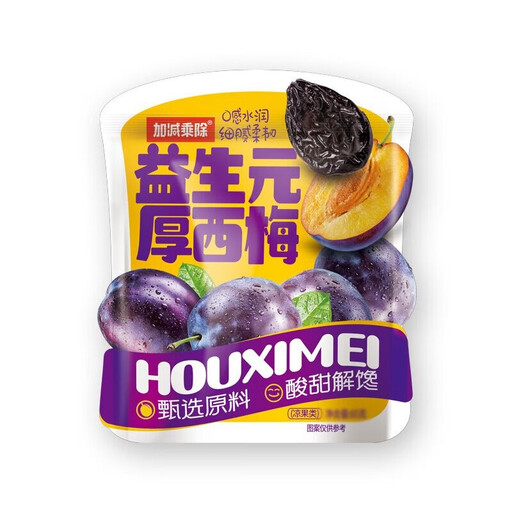 Image unavailable
Jia Jian Cheng Chu dried plums, 65 g
The description lists 65 g packs for a ready-portioned snack.
214 kcal per 100 g; the ingredients include plums and fructose syrup.
View at Joybuy
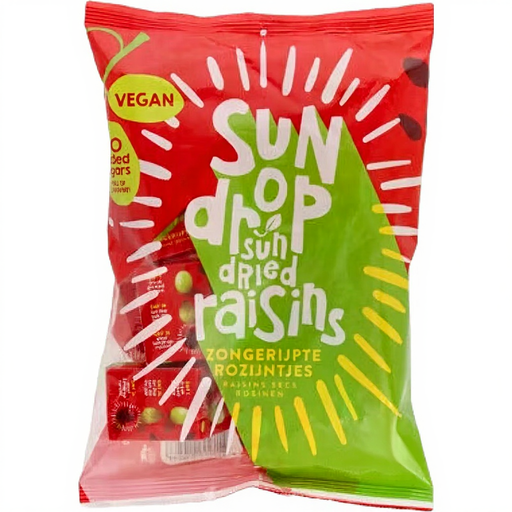 Image unavailable
Sundrop Mini Raisin Handouts, 252 g
The description presents raisins as a ready-to-eat snack that you can also weigh out yourself.
99.5% raisins and sunflower oil; 1431 kJ per 100 g. Once opened, keep tightly sealed in a cool, dry place.
View at Joybuy
 Image unavailable
De Kleine Keuken Organic Raisins 12M+, 140 g
According to the description, the pack contains ten 14 g boxes for pre-portioned servings.
The description states that these are organic raisins with no added sugars. The energy content is 896 kJ per 100 g.
View at Joybuy
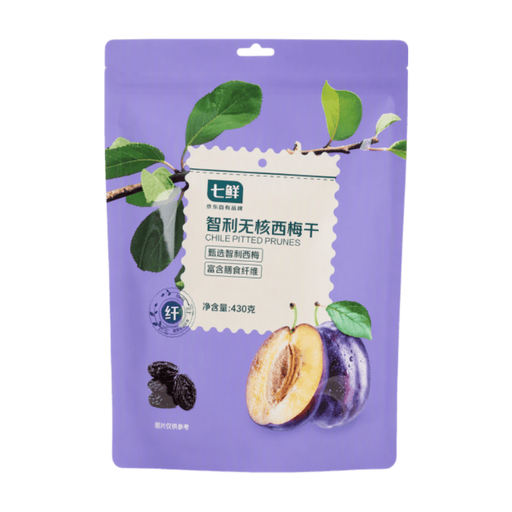 Image unavailable
7FRESH pitted dried plums, 430 g
The product description lists pitted plums as a ready-to-eat snack.
283 kcal per 100 g; the ingredients are listed as dried plums.
View at Joybuy
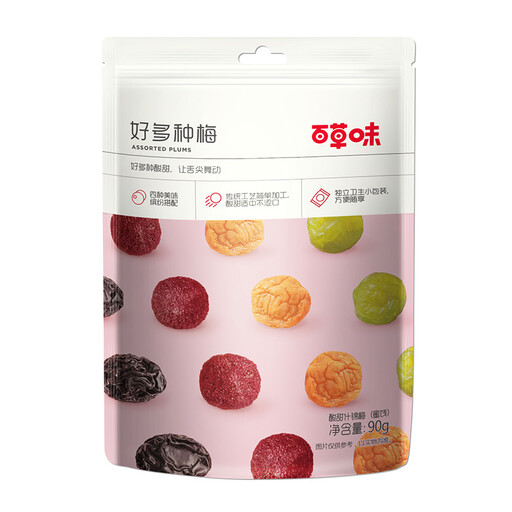 Image unavailable
Be&Cheery Various Dried Plum, 90 g
The plums are described as a ready-to-eat snack; you can weigh out your own portion.
68 kcal and 3.0 g of salt per 100 g. The ingredients include white sugar, salt and sweetener.
View at Joybuy
Frequently asked questions
How do I calculate the energy in my snack portion?
Multiply the kcal per 100 g shown on the packaging by the number of grams in your weighed portion, then divide by 100. Use the nutritional information on the pack you actually buy; the Netherlands Nutrition Centre’s calorie checker gives general averages.
Can I describe a small portion of dried fruit as ‘low calorie’?
A small portion alone isn’t enough to justify that claim. For solid foods, the European Commission sets a limit of no more than 40 kcal per 100 g. If the product doesn’t meet that limit, talk about the energy in your portion without using the claim.
Should dried fruit always be stored outside the fridge?
No, follow the advice for the exact pack. AH Stewed Dried Apricots must be refrigerated after opening at a maximum of 7 °C; this isn’t general advice for all dried fruit.
How do I check allergens when buying snacks for colleagues?
Read the allergen information on the packaging and keep the pack available. The Netherlands Food and Consumer Product Safety Authority states that allergen information must appear on the label of pre-packed products.
Does ‘no added sugar’ mean a product is low in sugar?
No, that statement alone doesn’t tell you how much total sugar the product contains. For the dried apricots examined, PLUS lists 0 g of added sugars and 53.4 g of total sugars per 100 g; check both figures on the pack you choose.


