
Office stock planners
You regularly buy snacks for yourself or your colleagues and want to match pack sizes to how much you use. Jumbo and PLUS list raisins in different pack sizes, making it easy to compare options within the same product range.


Choose a larger bag if you regularly eat or share the same type of fruit and can store it according to the instructions on the label. A smaller, resealable pack may be more practical if you want to open less at a time; just check that it really is resealable and doesn’t contain individually wrapped portions. When choosing snacks mindfully, check both the ingredients and the total sugars, as well as how much you choose to eat.
You regularly buy snacks for yourself or your colleagues and want to match pack sizes to how much you use. Jumbo and PLUS list raisins in different pack sizes, making it easy to compare options within the same product range.
You want to take dried fruit with you and decide for yourself how much to eat. The Netherlands Nutrition Centre points out that dried fruit still contains sugars even when no sugar has been added, so check both the ingredients and the nutritional information.
You share snacks and want to be able to check the label, for example if someone has an allergy or intolerance. The NVWA explains how allergens are listed on labels; terms such as organic or unsulphured don’t replace this check.
First decide which type of fruit and ingredients suit you, then choose a pack size to match how you’ll use it, the portions you need and where you’ll store it.
| What to consider | What should you look for? | Who is this important to? |
|---|---|---|
| Pack size and how much you use | Compare the same type and variety of fruit by pack size, and choose an amount that matches what you realistically expect to use. | If I regularly take the same snack with me or share a supply, I want the bag to match how much we use. Around 36% of consumers prioritise a pack size that suits their needs. |
| Sugars and portioning | Check the ingredients and nutritional information for total sugars, and take into account how much you eat. | If I want to decide for myself how much dried fruit to have, I look beyond the claim about added sugar. Around 22% of consumers place the greatest importance on mindful portioning and ingredients. |
| Resealing and storage | Check whether the pack is resealable and follow the storage instructions on the label. | If an office bag will last a while, I want to be able to seal it properly after use and store it safely. Around 21% of consumers prioritise easy storage. |
| Ingredients and allergens | Check the ingredients list and any warnings on the exact pack, including products you plan to share. | If I’m sharing snacks with someone who has an allergy or intolerance, I want to check the ingredients and warnings in advance. Around 21% of consumers put specific ingredient requirements first. |
PLUS’s product page for Pagysa Sultana raisins lists 0 g of added sugars and 68.2 g of total sugars per 100 g. These figures describe different things.
Read the ingredients and nutrition table together, and work out your portion based on the amount you choose to eat.
Jumbo’s product information uses 15 g per portion, while AH lists 50 g as the portion size for the soaked apricots reviewed. This difference doesn’t automatically make either amount right for everyone.
Compare nutritional values on the same basis, such as per 100 g, then work out the figures for the amount you choose to eat.
ALDI describes a 200 g resealable pack for its cranberry varieties. That doesn’t mean the contents are divided into individual snack portions.
Check whether you’re mainly looking for a resealable pack or individual portions, and see what the specific pack actually offers.
The Smaakt Blue Thompson raisins reviewed at PLUS are described as organic and unsulphured, but the label also warns that they may contain traces of peanuts, nuts and sesame, among other things.
Check the exact pack for information relevant to the specific allergy, and keep the label available when sharing the contents.
The range includes different types of dried fruit and pack sizes.
Sultana raisins are available in several bag sizes within the same product range.
Lidl lists dried fruit at selected stores.
The range includes Trader Joe’s raisins and cranberry varieties.
The product pages include Pagysa Sultana raisins and organic Smaakt Blue Thompson raisins.
Dirk lists raisins in a 750 g bag.
These products are mainly red dates and Medjool dates for anyone looking to mix things up with different types of dried fruit beyond raisins; one of the packs also contains nuts and other snacks.
 No image available
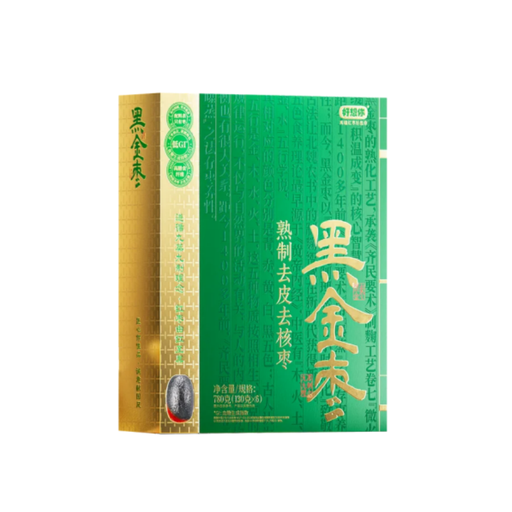
Could suit a shared supply if six separate bags match how much you use.
The pack contains 780 g, divided into 6 bags. The ingredients are listed as 100% red dates; the dates are peeled and pitted. The product description recommends consuming the contents as soon as possible after opening.
 No image available
An option if you’re looking for a larger pack of pitted Medjool dates.
The pack contains 908 g. The product description says the dates are pitted and that the pack can be resealed for storage after opening.
 No image available
Could suit a supply for regular snacking or sharing if red dates are a good fit for you.
The pack contains 500 g of pitted red dates. The ingredients list states 100% red dates; according to the product description, the pack can be resealed after opening.
 No image available
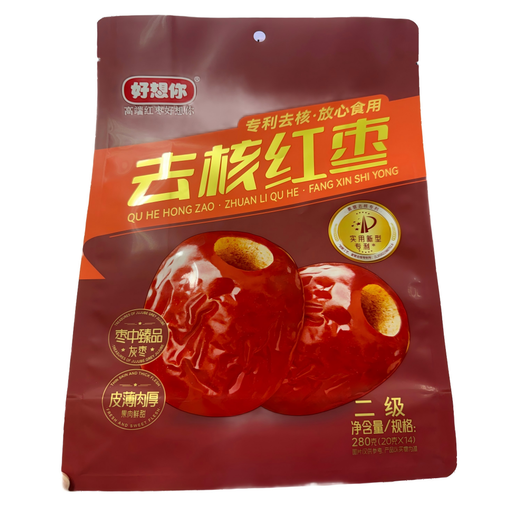
A smaller pack if you want to mix red dates with other types of dried fruit.
The pack contains 280 g of pitted red dates, and the ingredients are listed as 100% jujube. The product description recommends consuming the contents as soon as possible after opening.
 No image available
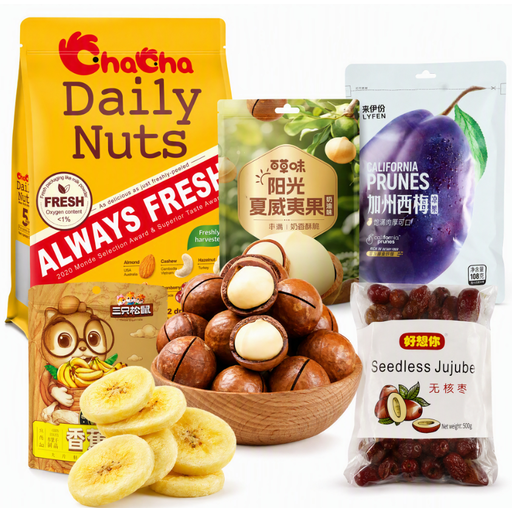
Could suit a shared supply if you want to offer nuts and other snacks alongside dried fruit.
The pack contains five different snacks and has a stated net weight of 1,073 kg; it isn’t a pack of dried fruit alone. The description lists nuts and added sugars in several items, and aspartame (E951) in the prunes. After opening, the description recommends refrigeration and consuming the contents within one day.
Using Jumbo’s stated 15 g portion for calculating nutritional values, 750 g works out at around 50 portions. Use this to plan your supplies, then calculate again based on the amount you choose; the manufacturer’s portion isn’t personal dietary advice.
The Netherlands Nutrition Centre says opened raisins can be kept in a kitchen cupboard for 6–9 months. Also follow the storage instructions on your own pack; for the bags reviewed, Jumbo and Pagysa recommend storing them in a cool, dry, dark place.
Check the ingredients list and any warnings on the exact pack, especially if you’re sharing the fruit with someone who has an allergy. The NVWA explains that the 14 allergens that must be declared need to appear in the ingredients list and be clearly distinguishable; this doesn’t automatically make a product suitable for everyone.
No, that claim doesn’t tell you how much total sugar the product contains. For example, PLUS’s product page for Pagysa Sultana raisins lists 0 g of added sugars and 68.2 g of total sugars per 100 g; check both figures and choose an amount that suits you.
According to the Netherlands Authority for Consumers and Markets, distance purchases usually come with a 14-day cooling-off period, but there are legal exceptions, including for products that perish quickly. Don’t assume that all food is exempt or that every opened bag can be returned; check the terms and the relevant exception for your purchase.