
Vandaag of morgen in huis

Kwaliteit gegarandeerd

Welkomstaanbiedingen ontgrendelen: GRATIS bezorging | Tot 80% korting | Gratis 30 dagen JoyPlus-proefperiode
Download de app
Dried fruit and nuts are handy for home, the office, on the go, or for sharing. Yet sometimes a packet looks more appealing than what’s actually inside. A mix can, for example, contain a lot of sugar, while a large bag isn’t always better value if you can’t store it properly once opened.
So watch out for three common pitfalls:
When comparing different healthy snacks, a nut mix or dried fruit, it’s worth looking at the back of the packet just as carefully as the front.
Ingredients are listed in descending order by quantity. If sugar appears near the top or crops up several times in different forms, the product is clearly made to be sweeter. Also look out for oil, syrup, palm oil, sweeteners and preservatives.
A few examples from the range:
So don’t use “natural”, “traditional” or “no artificial colours” as your only selection criterion. The full ingredients list is more reliable.
Portion sizes vary a lot. So always compare the values per 100 grams rather than just per bag. Pay particular attention to:
Nuts and seeds are naturally relatively high in energy and fat. That doesn’t in itself say anything about whether they’re right for your eating occasion, but it does help you choose an appropriate portion. Salt content can also vary considerably. The salted sunflower seeds from Anatolia, for example, list 3 grams of salt per 100 grams, while the g’woon Cashew Nut Cranberry Mix lists 0 grams of salt.
With dried fruit, the sugar content is often higher due to the drying process and any added sugar. The MUSHAN BASE strawberries list 57.4 grams of sugar per 100 grams. The Philippine Brand Dried Mango shows around 56 grams of sugar per 100 grams. If the information is unclear or seems unusual, always check the physical label.
For a snack on the go, small, resealable or individually wrapped portions are practical. For the office, for guests or for everyday use, a larger bag may be more suitable. After opening, pay attention to:
With the 5-pack of fruit and nuts, these are several separate products. The total net weight is, according to the product information, 1.073 kg, but the exact shelf life and storage method may differ for each component. With multi-pack products, it’s wise to follow the information on each individual pack.
The selection below is based on verifiable data from the product descriptions, such as composition, weight, nutritional information and storage instructions.
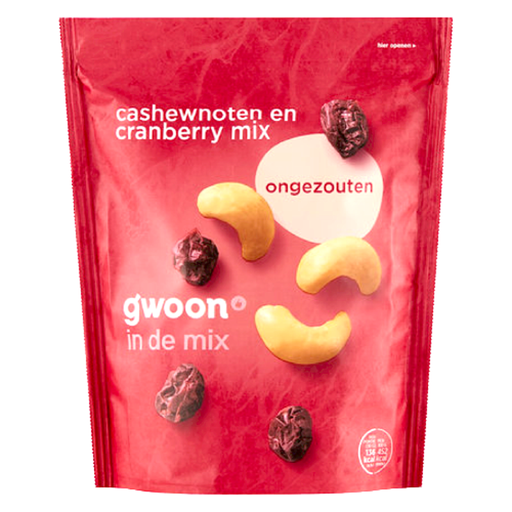
Why this fits the profile: The 50% cashew nut and 50% sweetened cranberry ratio is easy to understand. At 200 grams, it’s a good size to try at home or take to the office.
The main ingredients and percentages are clearly stated. You can see straight away that the cranberries are sweetened and can make your choice accordingly.
200 grams; 50% cashew nuts; according to the product information, 0 grams of salt per 100 grams.
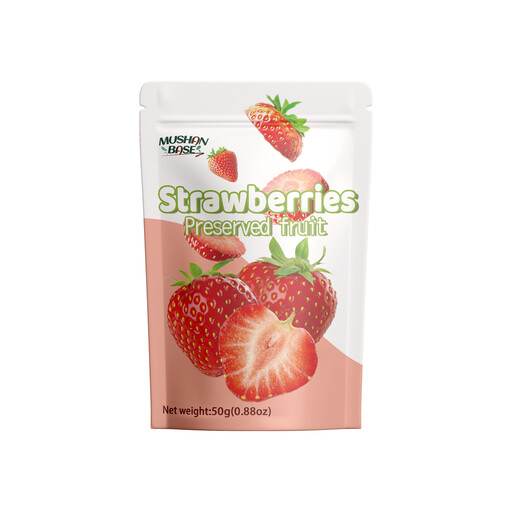
Why this fits the profile: For those who value a short ingredients list and a pronounced fruit flavour over a large quantity. The slices are ready to eat or to use with yoghurt and desserts.
The product information lists just two ingredients: dried strawberries and sugar. This makes the composition quick to check.
50 grams; two listed ingredients; according to the label, 313 kcal and 57.4 grams of sugars per 100 grams.
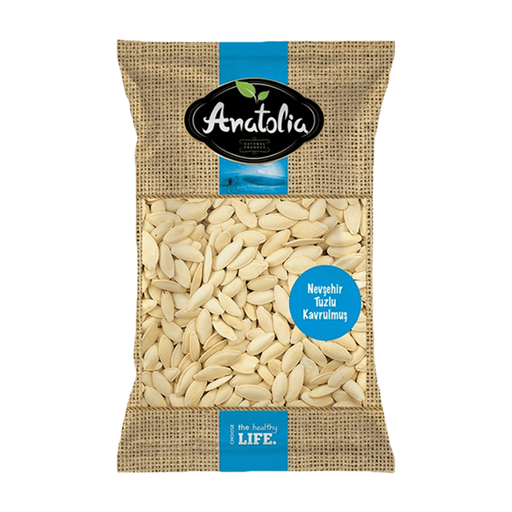
Why this fits the profile: The larger size suits regular use, for example as a topping for salads, soups or breakfast cereals, and as a snack for sharing.
The packaging clearly states that salt and maize starch have been added. There is also a warning about possible traces of gluten, peanuts, nuts and sesame.
340 grams; roasted pumpkin seeds; according to the product information, 25 grams of protein and 3.5 grams of salt per 100 grams.
We’ve put together a full, up-to-date list of products that fully meet these strict selection criteria and comply with current European safety regulations.
Choose a product that’s ready to eat, won’t leak easily and can be resealed per portion. Individual packs are practical for popping in a bag. With nut mixes and Asian snacks, always check the allergen information, especially if you’re sharing the snack with others.
This varies by product. Generally, store dried fruit and nuts in a cool, dry place away from direct sunlight. Seal the pack well and follow the instructions on the label. Products with a soft texture, chocolate or multiple components may have different storage instructions.
Not automatically. Roasted seeds can be relatively high in salt, while a cranberry mix often contains sweetened fruit. Compare the nutritional values per 100 grams and check for allergens. For a sweet treat, chocolate-covered dates, candied fruit or Turkish snacks may fit the bill; for everyday use, a more simply composed mix might be a better choice.
