What should you look for when choosing?
Start with the age of the children and allergens. Then consider what the protein value and any claim actually tell you, before planning portions, purchasing and storage.
| What to consider |
What should you look for? |
Who should pay particular attention? |
| Age and allergens |
Check the ingredients and allergen information for the exact product. The Netherlands Nutrition Centre advises against giving whole nuts or peanuts to children under 4. |
When I’m planning lunch for young children, I first check the form of the fruit and the allergens. This is the top priority for around 36% of consumers. |
| Protein and claims |
Compare protein and energy on the same basis, for example per 100 g, and check that any claim is substantiated for the exact product. The Netherlands Food and Consumer Product Safety Authority (NVWA) monitors protein claims. |
Anyone comparing protein values will want to distinguish between the protein in a product and a substantiated claim. This is the main priority for around 29% of consumers. |
| Portions and sugars |
Check the nutrition table and decide on the portion separately from the pack size. The Netherlands Nutrition Centre recommends small portions of raisins because of their sugar content. |
When I serve dried fruit with lunch, I want to be able to decide on the portion in advance. This is the top consideration for around 21% of consumers. |
| Buying and storage |
Compare pack sizes: Jumbo and ALDI list 250 g packs of apricots, while PLUS and Dirk list 375 g packs. Follow the storage advice on the packaging; for raisins, the Netherlands Nutrition Centre recommends storing them in a cool, dry, dark place in a tightly sealed container. |
For regular mealtimes, I want to be able to plan purchasing, portioning and storage. This is the main priority for around 14% of consumers. |
Dried fruit on Joybuy
These Joybuy products cover different types of dried fruit, so you can compare the ingredients, nutritional values and usage information on each pack. The protein values shown do not, on their own, substantiate a claim that a product is high in protein.
 No image available
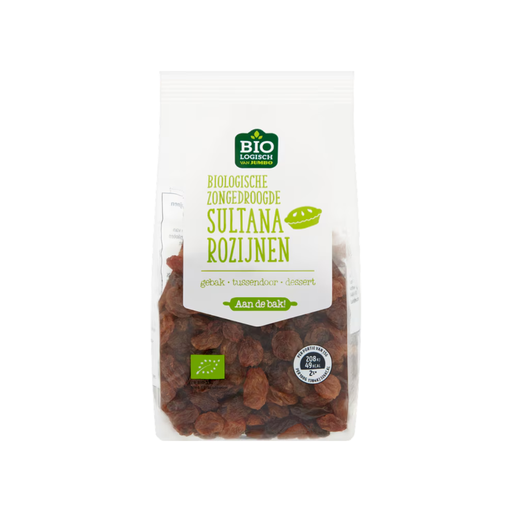
B+ sultana raisins, 250 g
These raisins can be compared as a small fruit addition; the Netherlands Nutrition Centre recommends small portions of dried fruit.
Nutrition per 100 g: 3.1 g protein and 75.5 g sugars. The product information does not entirely rule out the presence of a stalk or stone.
View on Joybuy
 No image available
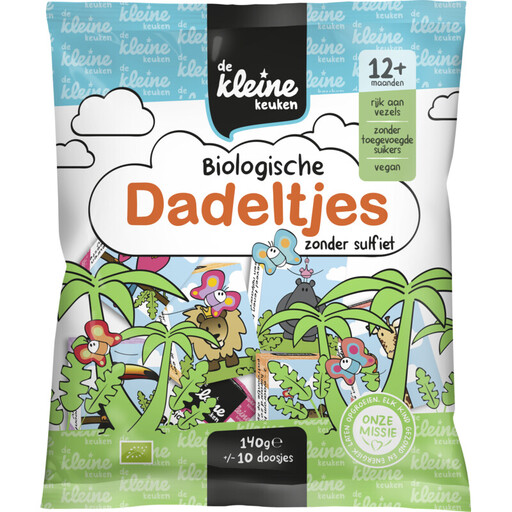
De Kleine Keuken organic dates 12+
The product information says it can be used from 12 months. Follow the advice to ensure the child is sitting upright and supervised while eating.
Nutrition per 100 g: 2.6 g protein and 61 g sugars.
View on Joybuy
 No image available
OHLA dried guava, 180 g
This product can be included in a comparison of dried fruit; the product description suggests using it as a snack or ingredient.
The ingredients list 95% guava, added sugar and a preservative. Nutrition per 100 g: 1.27 g protein.
View on Joybuy
 No image available
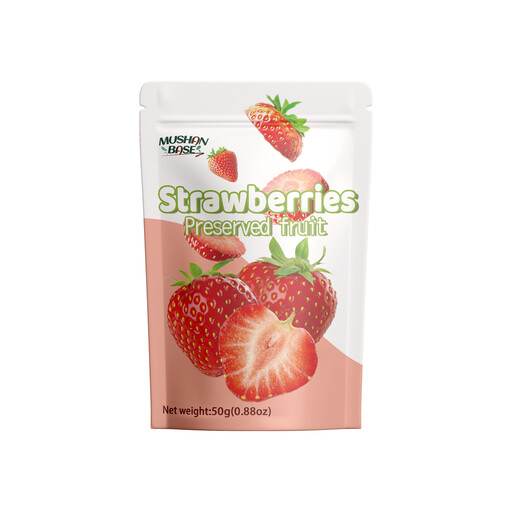
MUSHAN BASE dried strawberry slices, 50 g
The product information suggests using the dried strawberries as a snack or as a topping for yoghurt and desserts.
The ingredients are dried strawberries and sugar. Nutrition per 100 g: 1.2 g protein.
View on Joybuy
 No image available
Three Squirrels dried red apricots, 250 g
The product description suggests using these in lunch boxes; check the ingredients and sulphite information before use.
Nutrition per 100 g: 1.1 g protein. The ingredients list added sugar, maltose syrup and sulphites.
View on Joybuy
Frequently asked questions
Does lunch for toddlers and young children need to be specially high in protein?
Focus on a varied diet rather than on a protein claim alone. The Netherlands Nutrition Centre explains that eating a varied diet in line with the Wheel of Five provides the nutrients toddlers and young children need, including protein.
Can I give a fruit and nut mix to children under 4?
The Netherlands Nutrition Centre advises against giving whole nuts or peanuts to children under 4 because of the risk of choking. Check ingredients and allergens separately, and follow your childcare setting’s guidelines.
How should I store raisins for regular lunch times?
According to the Netherlands Nutrition Centre, store raisins in a cool, dry, dark place in a tightly sealed container. Also follow the best-before date and storage advice on the packaging; for other dried or soaked fruit, follow the instructions specific to that product.
What should a childcare setting consider when it comes to food safety and allergens?
For professional food preparation, follow the applicable hygiene code. RIVM guidance for childcare settings refers to the Hygiene Code for Small Organisations or another approved hygiene code, which must describe all activities. The NVWA also states that businesses offering food to consumers are legally required to provide information about any allergens present. So check the information for the products and preparations you use.
Can I apply sports nutrition advice for myself to the children at my childcare setting?
Keep those choices separate. The Netherlands Nutrition Centre’s sports nutrition information covers topics including athletes and their protein intake; for toddlers and young children, the separate guidance on a varied diet for children is relevant.


