
Evening snackers watching their fat intake
You’re looking for dried fruit that’s low in fat and want to know what ‘low fat’ means. Compare the fat content of the specific product, rather than relying on the product category or supermarket name.


For a low-fat late-night snack, check the fat content of the specific product and weigh out your portion: ‘low fat’ does not mean the same as ‘reduced fat’. The labels for AH Soaked Dried Apricots, Jumbo Pitted Dried Apricots and PLUS Dried Apricots state that they contain 0.5–0.6 g of fat per 100 g, but their energy and sugar content varies. The Netherlands Nutrition Centre recommends eating no more than 20 g of dried fruit a day. So compare the nutrition information for the same quantity, check the ingredients for sulphites and follow the storage instructions on your pack.
You’re looking for dried fruit that’s low in fat and want to know what ‘low fat’ means. Compare the fat content of the specific product, rather than relying on the product category or supermarket name.
You want something sweet for later in the evening and keep an eye on the energy and sugar in the amount you actually eat. Weighing out a portion makes comparisons more useful.
You want to know which ingredients and storage instructions apply to your choice. If you know you’re sensitive to sulphites, the ingredients list matters more than the colour or supermarket name.
| What to consider | What should you check? | Who is this important for? |
|---|---|---|
| Fat content | Check the fat per 100 g and the exact product. For solid foods, the threshold for the claim ‘low fat’ is no more than 3 g of fat per 100 g, according to the European Commission. | If I’m mainly looking for something low in fat, I want to be able to compare the figures on the label and avoid mistaking a comparative claim for an absolute value. Around 29% of consumers make fat content their top purchasing priority. |
| Energy and sugar | Compare energy and sugar per 100 g and per weighed portion. The Netherlands Nutrition Centre recommends no more than 20 g of dried fruit a day; include any you’ve already eaten that day in your total. | If I want a small sweet snack, I pay attention to how much I actually serve myself and what that portion contains. Around 36% of consumers put portion size and energy first. |
| Ingredients | Check total sugars, any added sugars listed and the ingredients list separately. If you know you’re sensitive to sulphites, check for those too. | If I want to keep an eye on sugar or certain ingredients, I need information from the specific pack. Around 21% of consumers make ingredients their top priority. |
| Packaging and storage | Check the pack size and the instructions for after opening; soaked apricots may need to be stored differently from dried varieties. | If I use small amounts or a product needs to be kept chilled, I want packaging and instructions that suit the way I use it. Around 14% of consumers focus mainly on convenience and storage. |
A low fat content on its own doesn’t tell you how much energy or sugar a product contains. The varieties examined differ in these nutritional values.
Compare fat, energy and sugar for the same weighed amount.
The pack of AH Soaked Dried Apricots lists a 50 g serving, while the pack of Jumbo Blue Raisins lists 30 g. The Netherlands Nutrition Centre recommends no more than 20 g of dried fruit a day.
Weigh out your own portion and take into account any dried fruit you’ve already eaten that day.
AH Soaked Dried Apricots contain added water. The energy per 100 g therefore compares the product as sold; it doesn’t show that you’re comparing the same amount of original dried fruit.
Check the variety and ingredients first, then compare the nutrition information on the same basis.
Products in the same category or with similar nutritional values aren’t necessarily identical brands or varieties.
Check the full product name, variety, pack and ingredients before comparing products.
The AH product examined is Soaked Dried Apricots, in a 250 g pack.
The products examined are Pitted Dried Apricots and Blue Raisins, both in 250 g packs.
Lidl sells dried fruit under the Alesto product range; dried stone fruit is available in several varieties in 200 g packs.
The Dutch product page describes 250 g of sun-dried apricots sold under the Trader Joe’s product range.
PLUS Dried Apricots are sold in a 375 g stand-up pouch.
Dirk sells 1 de Beste Apricots in a 375 g pack.
These Joybuy products are varieties of dried fruit that you can compare by fat per 100 g, sugar, ingredients and portion size. A low fat content doesn’t automatically mean low sugar or low energy.
 No image available
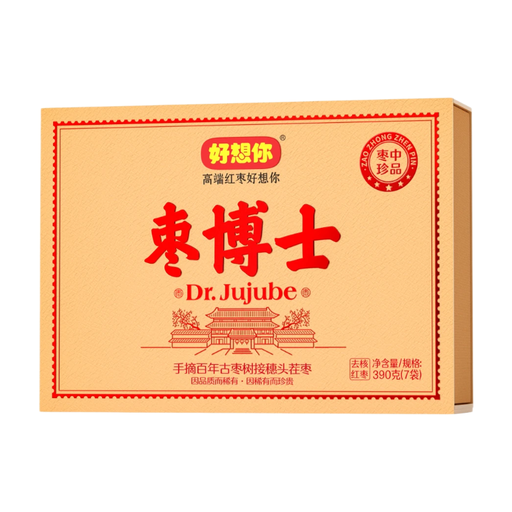
The product information describes pitted jujubes that are ready to eat.
The nutrition table states that per 100 g they contain 0 g of fat, 327 kcal and 50 g of sugar.
According to the product information, the product should be eaten immediately after opening.
 No image available
According to the product information, these pitted jujubes are sold as dried fruit that’s ready to eat.
The product information states that per 100 g they contain 0.5 g of fat, 300 kcal and 60 g of sugar.
The ingredients are listed as 100% red dates; after opening, you can reseal the pack and store it in a cool, dry place.
 No image available
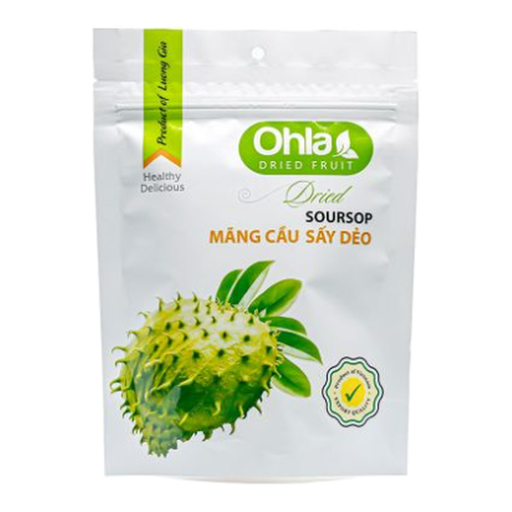
The product information describes soft dried soursop as a snack.
The nutrition table states that per 100 g it contains 2.21 g of fat, 348 kcal and 72.6 g of sugar.
The ingredients list includes white sugar and glucose; check the ingredients if added ingredients are important to your choice.
 No image available
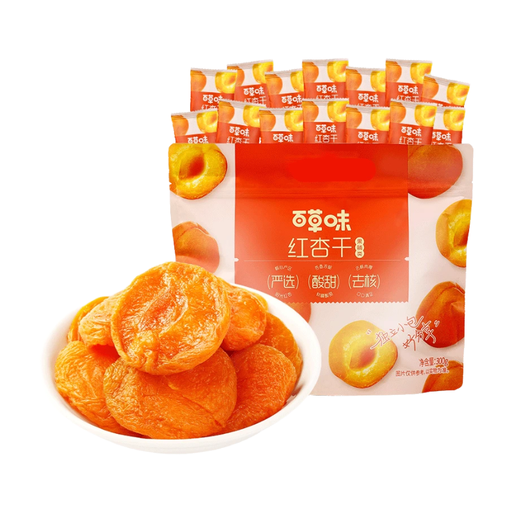
The product information describes the dried red apricots as ready to eat.
The nutrition table states that per 100 g they contain 0 g of fat, 311 kcal and 62 g of sugar.
The ingredients list includes white sugar, maltose syrup and sulphites. According to the product information, the apricots should be eaten immediately after opening.
 No image available
The product information describes these dried red apricots as ready to eat.
The nutrition table states that per 100 g they contain 1.0 g of fat, 327 kcal and 64.5 g of sugar.
The ingredients list includes sugar and maltose syrup; check it alongside the fat content if ingredients are important to your choice.
No. For solid foods, ‘low fat’ means no more than 3 g of fat per 100 g, according to the European Commission. ‘Reduced fat’ is a comparison with another product; no reduction in fat compared with a reference product has been established for the products in this buying guide.
The Netherlands Nutrition Centre recommends no more than 20 g of dried fruit a day. This is general daily guidance, not an additional allowance for a snack around midnight, so include any you’ve already eaten that day in your total.
It depends on the product. Once opened, AH Soaked Dried Apricots should be refrigerated at a maximum of 7 °C. The Jumbo and PLUS dried apricots examined say to store them in a cool, dry, dark place. Always follow the instructions on your pack.
Check the ingredients and allergen information on the specific pack. The Dutch Food Allergy Foundation describes sulphites as a preservative that can cause intolerance reactions. The apricot products examined list sulphites; a low fat content says nothing about whether a product is suitable if you’re sensitive to sulphites.
No. AH Soaked Dried Apricots state that they contain 0 g of added sugars and 37 g of total sugars per 100 g. PLUS Dried Apricots state that they contain 0 g of added sugars and 53.4 g of total sugars per 100 g. Check both figures separately.