Who is this guide for?

People who exercise and work night shifts

If you exercise as well as working night shifts, consider the protein in the portion you actually eat and your overall diet. The Voedingscentrum explains how people who exercise can assess their protein intake through food.

Night-shift workers who portion snacks in advance

If you want to prepare a small snack for your break, check the storage instructions in advance and whether any components need to stay chilled. The Voedingscentrum offers advice on safe storage; the packaging provides instructions for the specific fruit product.

Snack buyers with allergen requirements

Check the ingredients and allergen information for both the dried fruit and any extras. The NVWA explains what information must appear on prepacked products; sulphites are listed, for example, on the apricots reviewed from Albert Heijn, Jumbo and PLUS.

What should you look for when choosing?

Fruit as a standalone component

Choose this if: you want to take a small portion of fruit with you and get your protein from other meals or snacks.

Bear in mind: according to the product information, a 20 g serving of the apricots reviewed provides around 0.64–0.80 g of protein; Albert Heijn, Jumbo and PLUS list values per 100 g.

Fruit with unsalted nuts

Choose this if: you want to pair fruit with a plant-based source of protein and the ingredients meet your allergen requirements.

Bear in mind: adding nuts doesn’t automatically make a combination eligible for a nutrition claim; check the overall composition and the packaging for allergen information.

Fruit with quark or yoghurt

Choose this if: you can take a chilled dairy component with you and keep it refrigerated at work.

Bear in mind: perishable dairy needs to be kept chilled; the Voedingscentrum advises not leaving perishable food out of the fridge for more than two hours.

What to consider What should you check? Who is this important for?
Protein per serving Calculate the stated value for the portion you’ll actually take with you. Based on their nutritional information, a 20 g serving of the apricots reviewed from Albert Heijn, Jumbo and PLUS provides 0.80 g, 0.64 g and 0.68 g of protein respectively. If you want your snack to contribute to your protein intake, check the amount in your portion rather than relying on the product category alone. Around 31% of consumers prioritise protein content.
Storage during your shift Read the instructions for both unopened and opened packaging, as well as for every component in a combination. AH Soft Dried Apricots must be refrigerated after opening; the packaging specifies a maximum of 7 °C. If you pack your snack in advance, you’ll want to know whether transport and breaks are compatible with the refrigeration available. Around 25% of consumers prioritise ease of storage.
Portion and sugar Check total sugars, added sugars and the weight of your portion separately. For the apricots reviewed, Albert Heijn lists 37 g of total sugars per 100 g and no added sugars; PLUS lists 53.4 g of total sugars per 100 g and no added sugars. The Voedingscentrum recommends eating no more than 20 g of dried fruit a day. If you want to weigh out a small portion in advance, it’s useful to distinguish total sugars from added sugars. Around 19% of consumers focus mainly on portion size and sugar.
Ingredients and allergens Read the information on the exact packaging for each component. The apricots reviewed from Albert Heijn, Jumbo and PLUS list sulphites; Jumbo also states that they may contain nuts, peanuts and sesame. If you need to take an allergy or sensitivity into account, check both the fruit component and any extras. Around 13% of consumers prioritise allergen requirements.
Pack size Compare the net weight with the number of portions you want to prepare, and follow the storage instructions after opening. The packs reviewed include 200 g from Dirk, 250 g from Albert Heijn and Jumbo, and 375 g from PLUS. If you’re preparing snacks for several shifts, look for a pack size that suits how you’ll use and store the product. Around 12% of consumers prioritise pack size and repeat purchases.

Common pitfalls

  • Treating dried fruit as a standalone protein snack

    A 20 g serving of the apricots reviewed from Albert Heijn, Jumbo and PLUS provides less than 1 g of protein, calculated from the values stated by the retailers.

    Calculate the protein in the portion you’ll actually eat and choose a separate source of protein if needed. Don’t use a claim such as ‘high in protein’ just because a product contains protein: nutrition claims must meet European rules, as explained by the NVWA and the European Commission.

  • Assuming ‘no added sugars’ means low in total sugars

    The apricots reviewed from Albert Heijn and PLUS state that they contain no added sugars, but the product information lists 37 g and 53.4 g of total sugars per 100 g respectively.

    Check both values separately and weigh out the portion you’ll take with you.

  • Assuming dried fruit can always be kept out of the fridge after opening

    According to Albert Heijn, AH Soft Dried Apricots must be refrigerated after opening. A combination with perishable dairy also needs to be kept chilled.

    Check the instructions on the exact pack and consider how you’ll keep every component chilled during transport and your shift.

  • Checking allergens only for the protein source

    The fruit component may also contain sulphites. The Jumbo apricots reviewed also state that they may contain nuts, peanuts and sesame.

    Read the current ingredients and allergen information for every component of your snack.

Relevant brands for reference

Albert Heijn

The AH Soft Dried Apricots reviewed are a fruit component with product information available on protein and storage.

  • Albert Heijn lists 4 g of protein per 100 g and 90% dried apricots with water.
  • This variety contains sulphites and must be refrigerated after opening, at a maximum of 7 °C.

Jumbo

The Jumbo Dried Apricots Without Stones 250 g reviewed can be assessed by checking their ingredients and stated nutritional values.

  • Jumbo lists 99.8% apricots and 3.2 g of protein per 100 g.
  • This variety contains E220 (sulphite) and, according to Jumbo, may contain nuts, peanuts and sesame.

Lidl

Alesto is Lidl’s product range, which includes dried fruit and nuts.

  • Lidl suggests using the range for snacks and toppings.
  • Information about the range doesn’t prove that every product in it is high in protein; check the details for the variety you choose.

Aldi

The Dutch ALDI product page describes Trader Joe's Sun-Dried Apricots, 250 g, as soft dried apricots.

  • The product description gives an indication of the texture described.
  • The description doesn’t support any claims about protein content or sports recovery.

PLUS

The PLUS Dried Apricots reviewed, in a 375 g stand-up pouch, provide product information to help you check portions and ingredients.

  • PLUS lists 3.4 g of protein and 53.4 g of total sugars per 100 g, with no added sugars.
  • The ingredients include E220 and the product contains sulphites; a larger pack doesn’t prove a lower price per serving.

Dirk

The Dutch Dirk product page lists pitted apricots in a 200 g pack.

  • The pack weight can help when weighing out a limited number of fruit portions.
  • The product title alone doesn’t support a protein claim.

Dried fruit at Joybuy

These products are dried fruit to use as the fruit component of a night-shift snack; base your protein intake on the nutritional information for the complete combination.
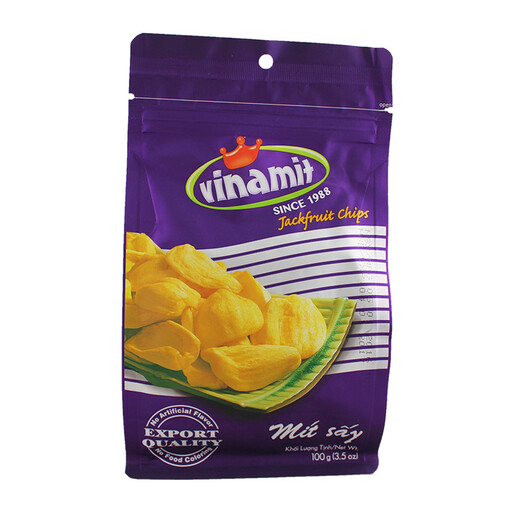
Vinamit Jackfruit Snack In Pieces, 100 g

Vinamit Jackfruit Snack In Pieces, 100 g

Can be eaten as a fruit component alongside a separate source of protein.

The product information lists 98% jackfruit and vegetable oil.

According to the product description, it’s ready to eat and should be stored in a cool, dry place.

View at Joybuy
Zohra Medjool Dates (M), 908 g

Zohra Medjool Dates (M), 908 g

Can be taken as a fruit component alongside a separate source of protein.

The product information describes the dates as pitted and ready to eat.

The description says to store them in a cool, dry place.

View at Joybuy
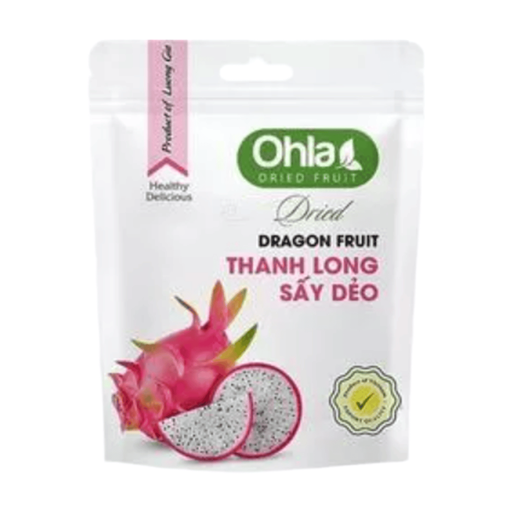
OHLA Dried Dragon Fruit, 180 g

OHLA Dried Dragon Fruit, 180 g

Can be chosen as a fruit component; assess its contribution to your protein intake using the nutritional information for the complete snack.

The product information includes a nutrition table and says to store it in a cool, dry place.

According to the description, the pack should be closed after opening.

View at Joybuy
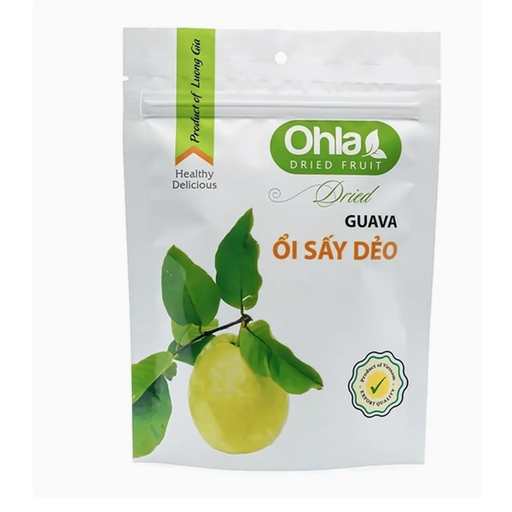
OHLA Dried Guava, 180 g

OHLA Dried Guava, 180 g

Works as a fruit component alongside a separate source of protein; the stated protein value is low for a protein-focused snack portion.

The nutrition table lists 1.27 g of protein per 100 g.

The ingredients list includes sugar and a preservative. The description says to store it in a cool, dry place.

View at Joybuy
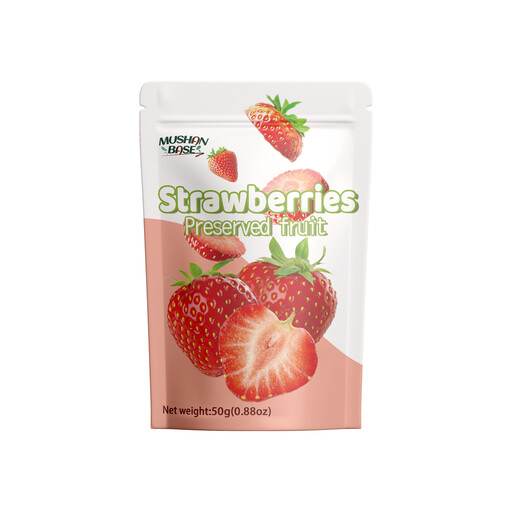
MUSHAN BASE Dried Strawberry Slices, 50 g

MUSHAN BASE Dried Strawberry Slices, 50 g

Can be taken as a fruit component alongside a separate source of protein; don’t rely on the fruit alone for a protein-focused snack.

The nutrition table lists 1.2 g of protein per 100 g. The ingredients list includes strawberries and sugar.

The product information suggests taking it on the go and says the pack is resealable.

View at Joybuy

Frequently asked questions

Do you need to buy special protein snacks if you exercise?

Not necessarily. According to the Voedingscentrum, most people who exercise don’t need special protein shakes or bars if they eat a varied diet. Consider your overall diet; your protein needs may differ from those of someone who doesn’t exercise if you do strength training or endurance sports.

How can you take quark or yoghurt with dried fruit to work?

Keep perishable components chilled and put them in the fridge when you get to work. The Voedingscentrum recommends keeping your fridge at 4 °C and not leaving perishable food out of the fridge for more than two hours. Also follow the storage instructions for the product you choose.

Can any opened bag of dried fruit be kept unrefrigerated in a work drawer?

No. Follow the instructions for the exact variety. Albert Heijn says that AH Soft Dried Apricots must be refrigerated after opening, at a maximum of 7 °C, and have a limited shelf life. So an unrefrigerated work drawer isn’t the recommended place to store this variety.

What does a best-before date mean for a prepared snack?

For an unopened pack with a best-before date, the Voedingscentrum’s storage guide says that after this date you can look at, smell and taste the food. Once opened, follow the product’s specific storage instructions; don’t assume the date on an unopened pack still applies to an opened snack.

What allergen information should you check on dried fruit?

Check the ingredients, allergen declaration and any warnings on the exact packaging. The NVWA says allergen information must appear on the label of prepacked products. Sulphites are relevant to the apricots reviewed; also check any extras, such as nuts or dairy.
