What should you look for when choosing?
First compare the nutrition per 100 g and the exact product variant. Then decide whether portion size, storage or ingredients matter most for your shift.
| What to consider |
What should you check? |
Who might find this more important? |
| Fat and product variant |
Compare fat per 100 g and make sure you’re comparing exactly the same variant. A low fat content isn’t the same as a claim that the fat content has been reduced. |
If low fat is my top priority, I want to compare the labels per 100 g. Around 36% of consumers put fat content first. |
| Portion size, sugars and energy |
Measure out a small amount in advance and check both sugars and energy. Use the portion values for the amount you’ve measured out. |
If you mainly want to take a small snack with you, consider the amount as well as the nutritional values. A manageable portion is the top priority for around 29% of consumers. |
| Storage during your shift |
Check the instructions for after opening and whether you can follow them at work. Instructions vary by product. |
If I can’t store the snack properly during my shift, the pack may not suit my situation. Easy storage is the most important factor for around 21% of consumers. |
| Ingredients and sensitivities |
Check the ingredients, allergens and warnings about possible traces separately from the sugar information. |
If you check ingredients or potential allergens first, it’s useful to read the full pack information. Around 14% of consumers put this need first. |
Joybuy products for an on-the-go snack
This selection includes dried fruit you can consider as an on-the-go snack. The final card is a hawthorn product, so check that this type of product suits what you’re looking for.
 No image available
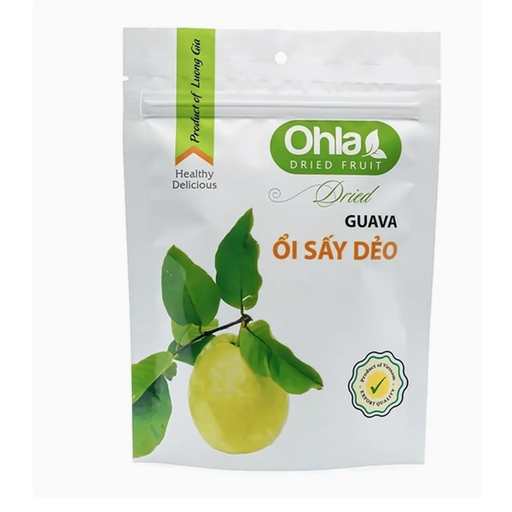
OHLA Dried Guava 180 g
The product information says the guava is ready to eat. The pack can be resealed after opening and stored in a cool, dry place.
The label lists 1.73 g of fat and 308 kcal per 100 g. The ingredients list includes sugar and a preservative.
Joybuy
 No image available
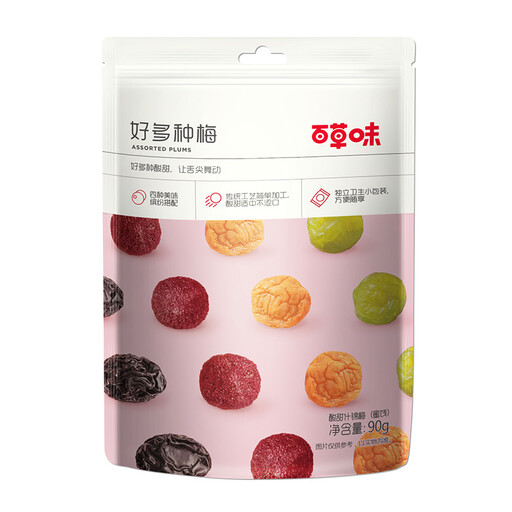
Be&Cheery Dried Plums 90 g
The 90 g bag may suit you if you want to measure out a small amount in advance; the product information says the plums are ready to eat.
Per 100 g, the label lists 0.2 g of fat, 68 kcal, 16 g of sugars and 3.0 g of salt. Store in a cool, dry place and seal the pack well after opening.
Joybuy
 No image available
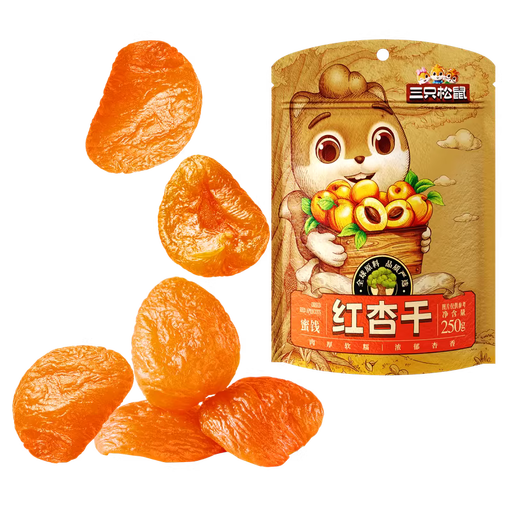
Three Squirrels Dried Red Apricots 250 g
The product information says the apricots are ready to eat and come in a resealable pack.
Per 100 g, the label lists 0 g of fat, 311 kcal and 62.0 g of sugars. The ingredients list includes sugar and maltose syrup; the product also lists sulphites. Store in a cool, dry place.
Joybuy
 No image available
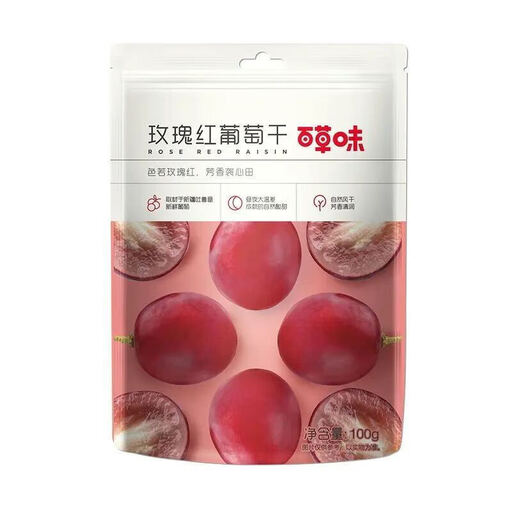
Be&Cheery Rose Red Raisins 100 g
The product information says the raisins are ready to eat and can be stored in a cool, dry place.
Per 100 g, the label lists 0 g of fat, 330 kcal and 30 g of sugars.
Joybuy
 No image available
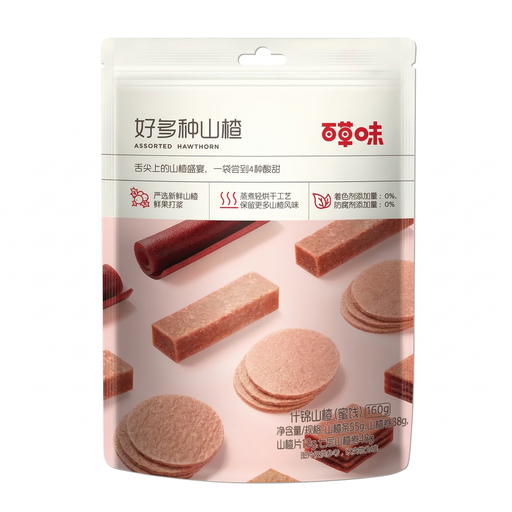
Be&Cheery Many Kinds of Hawthorn 160 g
The product name refers to hawthorn, and the product information describes hawthorn snacks or flakes. Check the product type and ingredients if you’re specifically looking for dried fruit.
Joybuy
Frequently asked questions
Does low fat mean reduced fat?
No. A low absolute fat content is different from a claim that the fat content has been reduced compared with a similar product. For solid foods, the European Commission sets a maximum of 3 g of fat per 100 g for a “low fat” claim; the apricot labels we checked list 0.5 to 0.6 g per 100 g. Those figures alone don’t prove that the fat content has been reduced.
How much dried fruit should I take with me?
The Netherlands Nutrition Centre advises having no more than a handful of dried fruit because of its sugar content. Measure out your snack in advance and use the nutrition table for that amount; the portion size shown on a pack isn’t automatically dietary advice for every night worker.
What should I check besides the fat content?
Also compare sugars, energy, ingredients and the amount you want to take with you. For example, the Jumbo and PLUS apricots we checked list 51.0 and 53.4 g of sugars per 100 g respectively, despite their low fat content.
Should I refrigerate an opened bag of dried apricots?
It depends on the variant. For the soaked apricots we checked, Albert Heijn says to refrigerate after opening at a maximum of 7 °C. The Jumbo and PLUS product information we checked says to store in a cool, dry, dark place. Follow the instructions on the pack you buy.
What should I check if I want to avoid sulphites?
The Albert Heijn, Jumbo and PLUS apricot products we checked list sulphites. Stichting Voedselallergie describes reactions to sulphites as intolerance reactions. Check the ingredients and allergen information on the exact pack, and follow the advice you’ve been given about avoiding them.


