
Regular buyers of the same type of fruit
If you often eat the same type, compare the pack sizes available in that product range and choose an amount you can use up. Jumbo, for example, lists sultanas in 250 g, 500 g and 750 g packs.


If you regularly eat the same type of fruit, a larger pack could suit you, provided you use it up within the recommended storage period. If you use it less often or like a bit of variety, a smaller amount may be more practical. Check the ingredients and allergens separately from the pack size.
If you often eat the same type, compare the pack sizes available in that product range and choose an amount you can use up. Jumbo, for example, lists sultanas in 250 g, 500 g and 750 g packs.
If you only use dried fruit occasionally, a smaller pack can help you avoid keeping more opened stock than you need. Voedingscentrum provides general storage advice for raisins; also follow the advice on the packaging.
If you have a specific ingredient preference or food allergy, check the label on the exact product variant. Voedingscentrum emphasises the importance of allergen information; a product name alone won’t tell you whether it meets your needs.
First, think about how often you use that type of fruit and how much you’re likely to get through. Then check the ingredients and consider what you plan to use it for.
| What to consider | What to look for | Who is this most important for? |
|---|---|---|
| Amount for regular use | Compare the same type and variant of fruit. Choose a pack size that suits how often you use it. | If I regularly use the same type of fruit, I want a pack size that matches how much I use. Around 36% of consumers put this first. |
| Stock for less frequent use | Estimate how much you’ll use, read the storage advice and consider how much you’ll have left once the pack is opened. | If I only use it occasionally, I want to avoid having a lot of opened stock left over. Around 29% of consumers prioritise a pack size that suits their needs. |
| Ingredients and allergens | Read the ingredients list and allergen information on the exact pack. | If I need to avoid an ingredient, I check the label before choosing a pack size. Around 21% of consumers put ingredients first when making their choice. |
| Type of fruit and how you’ll use it | First choose a type that suits your dish or gives you the variety you want; then check the pack size and whether it contains stones. | If I’m buying fruit for a recipe or for variety, I want to choose the right type first. Around 14% of consumers prioritise how they plan to use it. |
Raisins can dry out, become hard, discolour or go mouldy. General storage advice doesn’t guarantee how long every specific pack will keep.
Choose an amount that suits how much you use, follow the advice on the packaging and check the product before eating it.
A product with no added sugar may still contain sugars that occur naturally. Lidl, for example, says this about the Alesto mango strips mentioned here.
Read the ingredients for the specific variant, rather than basing your choice on a brief product description alone.
A mix may contain different ingredients from a pack of dried fruit alone. This can matter if you’re looking for a particular type of fruit or need to avoid certain ingredients.
Check the product type and ingredients list first, then compare the packs.
Albert Heijn lists products including AH Sun-dried Raisins 2-pack and various types of dried fruit.
Jumbo lists sultana raisins in various pack sizes, along with other types of dried fruit.
Lidl stocks Alesto products, including mango strips.
Aldi lists Trader Joe’s raisins in a 500 g pack.
PLUS lists Pagysa Sultana raisins in a 750 g stand-up pouch.
Dirk lists raisins in various pack sizes, along with other types of dried fruit.
This selection of Joybuy products includes raisins, dates and jujubes in various pack sizes. Check the product name for the type of fruit, variant and whether it contains stones.
 No image available
Suitable if you’re looking for a larger amount of dates to enjoy as a snack or add to porridge, yoghurt and smoothies.
The product name specifies Medjoul dates and a pack weight of 908 g.
 No image available
Suitable if you’re looking for dates to keep in stock and use in baking or cooking.
The product information specifies 908 g and pitted dates.
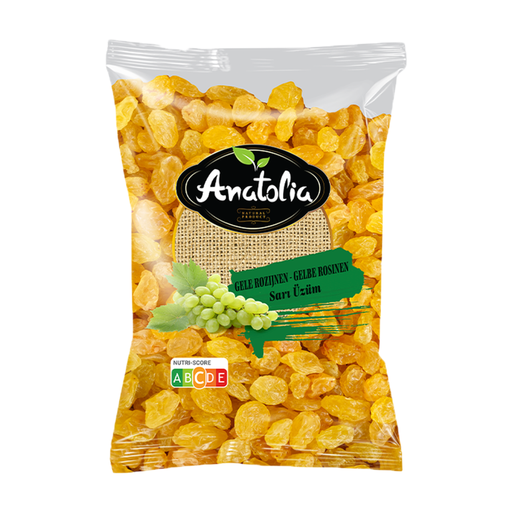 No image available
Suitable if you’re looking for raisins to snack on or add to cereal, baked goods, salads, rice dishes or stews.
The product name specifies raisins and a pack weight of 500 g.
 No image available
Suitable if you want to use dried jujubes without having to remove the stones yourself.
The product name specifies pitted jujubes and a pack weight of 500 g.
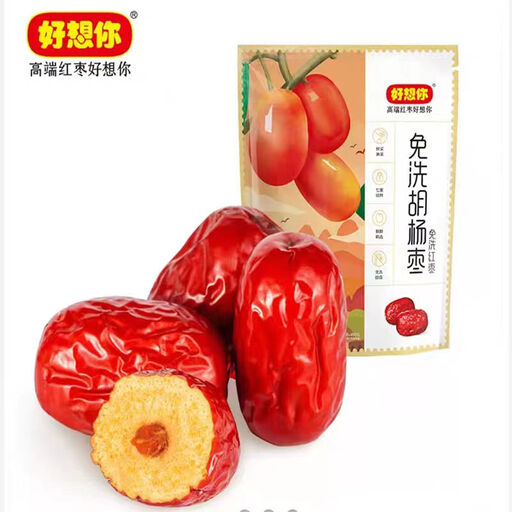 No image available
Suitable if you’re looking for jujubes to eat straight away or use in soup, congee and tea.
The product name specifies red jujubes, Grade 2, 450 g and that they contain stones.
Compare the same type and variant of fruit, and check whether the amount suits how much you use. Also consider the storage advice for opened packs.
Voedingscentrum gives general advice of 6–9 months in a kitchen cupboard for opened raisins. This isn’t a guarantee for every pack: follow the label too, and look out for drying out, hardening, discolouration or mould.
No. For the Alesto mango strips mentioned here, Lidl says they contain no added sugars but do contain sugars that occur naturally. Check the ingredients for the exact variant; this description doesn’t automatically apply to other products.
Read the current ingredients list and allergen warnings on the specific pack. According to the Netherlands Food and Consumer Product Safety Authority, new rules have applied since 1 January 2026 on how and when food businesses must warn about allergens that may be present unintentionally. This doesn’t confirm that a specific pack is suitable for your allergy.
No. A mix containing nuts has a different composition from a pack containing only dried fruit. Check the product name and ingredients list if you’re looking for a particular type of fruit or need to avoid certain ingredients.