What should you look for when buying?
First decide what matters most to you, then compare the nutritional information on the exact pack with the amount you actually plan to eat.
| What to consider |
What to look for |
Who is this important to? |
| Calories per portion |
Compare kcal per 100 g and weigh your snack; calculate kcal per 100 g × portion weight / 100. The Netherlands Nutrition Centre recommends eating no more than 20 g of dried fruit a day. |
If I want to keep better track of how much I eat during a movie night, I weigh out my portion instead of eating straight from the bag. Around 42% of consumers prioritise the calories in their snack portion. |
| Ingredients and allergens |
Check the ingredients, total sugars and allergen information separately. For the Jumbo apricots reviewed, pay particular attention to E220 (sulphites) and the allergen warnings. |
If you’re looking for a particular ingredient profile or need to follow dietary restrictions, check the exact variety and pack. Around 25% of consumers give ingredients and personal dietary restrictions top priority. |
| Taste and texture |
Choose your preferred type of fruit and texture; check whether the product is pitted and whether the pack still warns of possible stone fragments. Set your portion aside in advance. |
If I mainly want something that suits my taste and is easy to portion out, I also consider its shape and texture. Around 17% of consumers prioritise taste and convenience. |
| Packaging and storage |
Choose a net weight that suits how you plan to use the product, and follow the storage instructions and date information on the exact pack. |
If you’re looking for a pack that suits the number of snack occasions you have planned, check the net weight and storage instructions for after opening. Around 16% of consumers consider pack size and storage the most important factors. |
Joybuy products
The products below are dried fruit for snacking straight from the pack. Compare the energy per 100 g on the exact pack and weigh out the portion you want to eat.
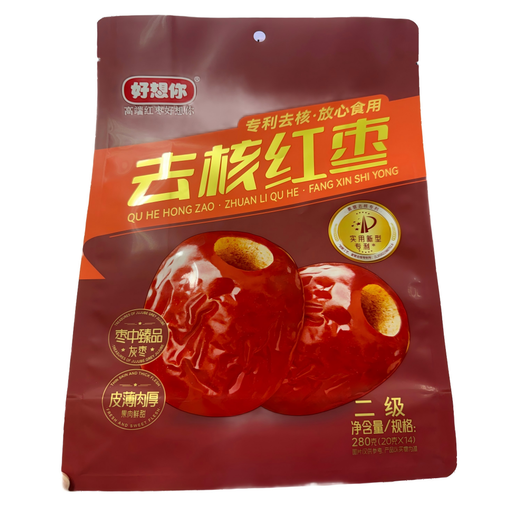 Image unavailable
Haoxiangni Grade 2 Fresh-Locked Pitted Red Dates Original Flavour, 280 g
According to the product description, these pitted red dates are ready to eat.
The ingredients list contains only red dates. The nutrition table gives the energy per 100 g; use that figure along with the weight of your portion.
View product at Joybuy
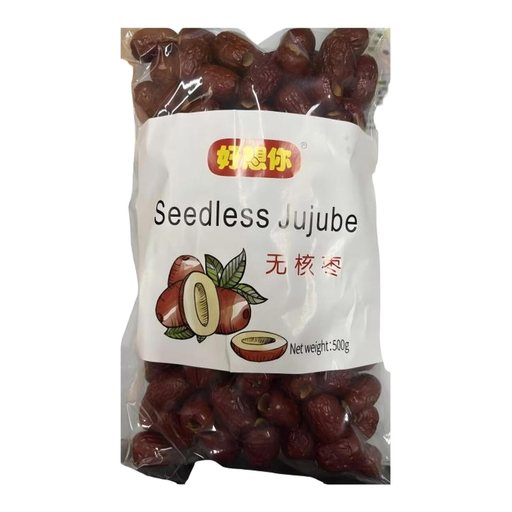 Image unavailable
Haoxiangni Pitted Jujubes, 500 g
The product description says these pitted red dates are suitable for eating straight from the pack.
The ingredients list states 100% red dates. The nutrition table gives the energy per 100 g; the description also suggests using them in cooking, baking, soup and tea.
View product at Joybuy
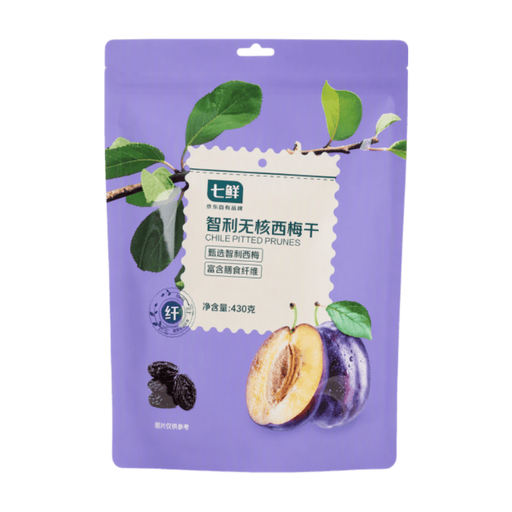 Image unavailable
7FRESH Pitted Prunes, 430 g
According to the product description, these soft, pitted prunes are ready to eat.
The ingredients list contains only dried prunes. The nutrition table gives the energy per 100 g; the description also suggests using them as a topping.
View product at Joybuy
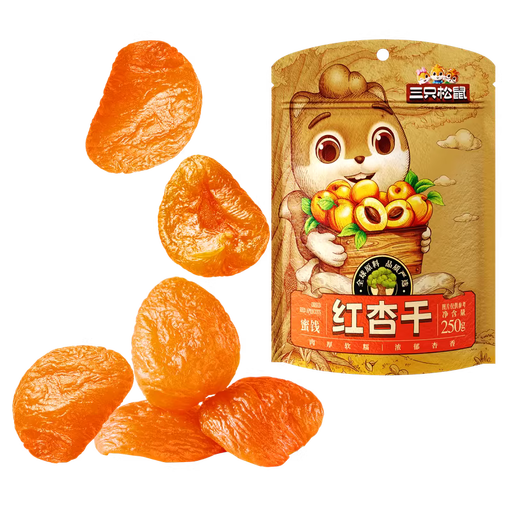 Image unavailable
Three Squirrels Red Apricot Dried, 250 g
The product description says these dried red apricots are suitable for eating straight from the pack.
The ingredients include added sugar and maltose syrup; sulphites are also listed in the ingredient information. The nutrition table gives the energy per 100 g.
View product at Joybuy
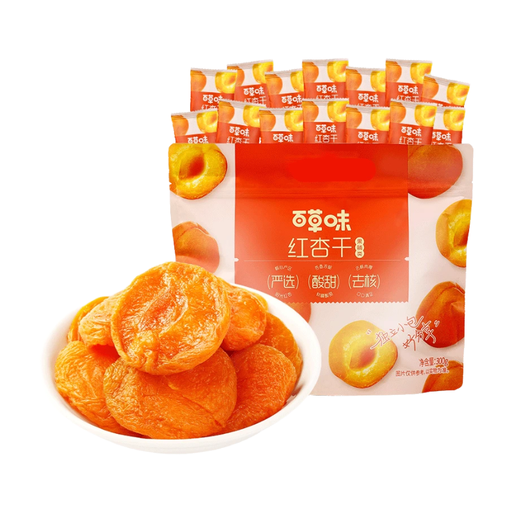 Image unavailable
Be&Cheery Dried Red Apricots, 300 g
According to the product description, these dried red apricots are suitable for eating straight from the pack.
The ingredients include sugar and maltose syrup; sulphites are listed in the allergen information. The nutrition table gives the energy per 100 g.
View product at Joybuy
Frequently asked questions
How much dried fruit is suitable for one movie night?
The Netherlands Nutrition Centre recommends eating no more than 20 grams of dried fruit a day. If you’ve already eaten dried fruit that day, include it in your total. This is dietary advice, not a legal portion limit or a guarantee that a snack will fit within your overall calorie intake.
Can I use a general calorie checker instead of the product label?
For a specific purchase, use the nutritional values on the exact pack. The Netherlands Nutrition Centre gives a general figure of 40 kcal per 20 grams of dried prunes, while the PLUS product reviewed provides 56.4 kcal per 20 grams based on its label. General category information isn’t the same as product-specific information.
What should I look out for if I’m sensitive to sulphites?
Check the ingredients and allergen information for the exact variety. The Jumbo apricots reviewed contain E220 (sulphites); the Dutch Food Allergy Foundation explains that sulphites can cause an intolerance reaction. The type of fruit or the words ‘pitted’ tell you nothing about sulphites.
Can dried fruit be described as ‘low-calorie’ in the Netherlands?
For solid foods, the European Commission sets a ‘low-calorie’ claim threshold of no more than 40 kcal (170 kJ) per 100 grams. A smaller portion doesn’t change this product threshold. The Netherlands Food and Consumer Product Safety Authority says that European rules apply to nutrition claims.
How should I store dried fruit after opening?
Follow the storage instructions and date information on the pack for the exact variety. The packs of AH raisins, Jumbo apricots and PLUS prunes reviewed say to store in a cool, dark, dry place. The Netherlands Nutrition Centre’s general advice for opened mixed dried fruit doesn’t automatically apply to every dried fruit product.


