What should you look for when choosing?
First, weigh the amount you want to eat. Then compare the nutrition information, ingredients and packaging for the exact product.
| What to consider |
What to look for |
Who is this important to? |
| Calories per portion |
Calculate kcal per 100 g × portion weight in grams ÷ 100. The Voedingscentrum recommends eating no more than 20 g of dried fruit a day. |
If you want a small snack between breakfast and lunch and want to know its energy content, check both the weight and the value on the label. Around 42% of consumers consider calories first. |
| Ingredients and allergens |
Read the ingredients alongside the nutrition information. If you have a relevant allergy, also check the allergen information on the pack. |
If you want to avoid added sugar or check an ingredient that matters to you, the exact ingredients are key. Around 25% of consumers prioritise ingredients. |
| Portioning and storage |
Check the net weight, storage instructions and any warnings about stones that may remain. |
If you want to prepare portions for several mornings, the pack size and storage instructions need to suit how you plan to use the product. Around 17% of consumers put practical portioning first. |
| Pack size |
Decide how many small portions you want to get from the pack and follow the instructions for storing it after opening. |
If you’re choosing a pack for regular snack breaks, you’ll want to use its contents without losing sight of portion size. Around 16% of consumers focus on whether the pack is practical and affordable for their planned use. |
Joybuy products
These Joybuy products are dried prunes and jujubes for anyone who wants to weigh out a portion and check the nutrition information for the exact variety.
 No image available
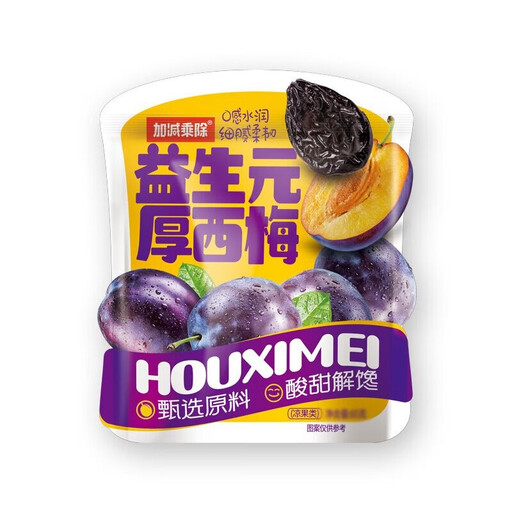
Jia Jian Cheng Chu prunes 65 g
If you want to calculate the energy content of a weighed portion, the nutrition table gives the value per 100 g.
214 kcal per 100 g; 65 g pack. The ingredients list includes prunes, fructose syrup and oligofructose. A 65 g pack is not the same as the Voedingscentrum’s general recommendation of no more than 20 g of dried fruit a day.
Joybuy
 No image available
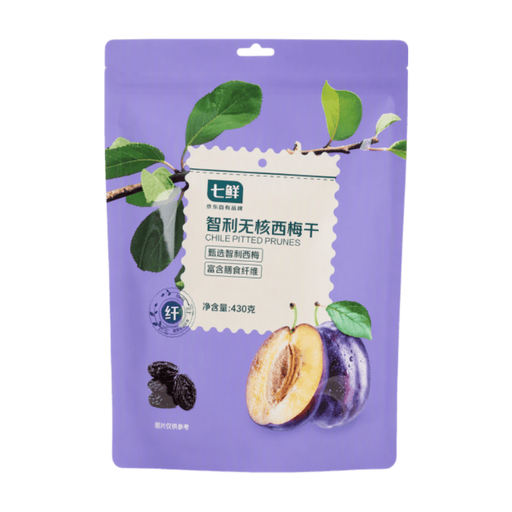
7FRESH pitted prunes 430 g
If you’re looking for pitted prunes and want to calculate the energy content of your chosen portion using the label.
283 kcal per 100 g; 430 g pack. The product information says the contents should be consumed immediately after opening.
Joybuy
 No image available
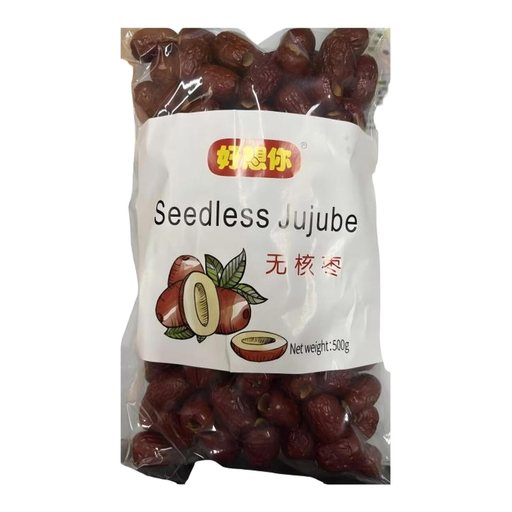
Haoxiangni pitted red jujubes 500 g
If you’re looking for dried red jujubes to weigh out or use in a recipe.
300 kcal per 100 g; 500 g pack. The ingredients list states red dates (100%).
Joybuy
 No image available
Haoxiangni red jujubes with stones, Grade 2, 450 g
If you’re looking for dried jujubes to snack on or use in recipes, and are happy to account for the stones.
331 kcal per 100 g; 450 g pack. The ingredients list states jujube (100%).
Joybuy
 No image available
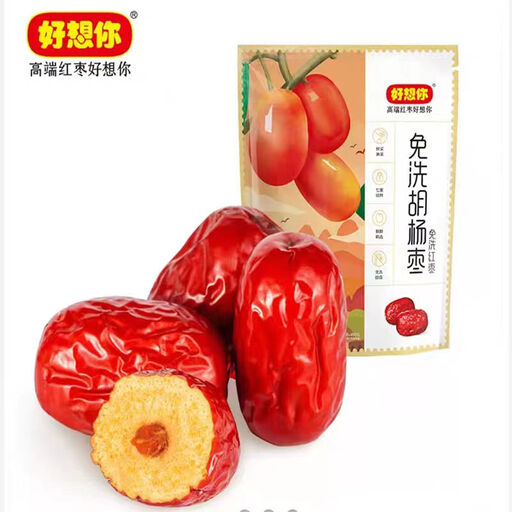
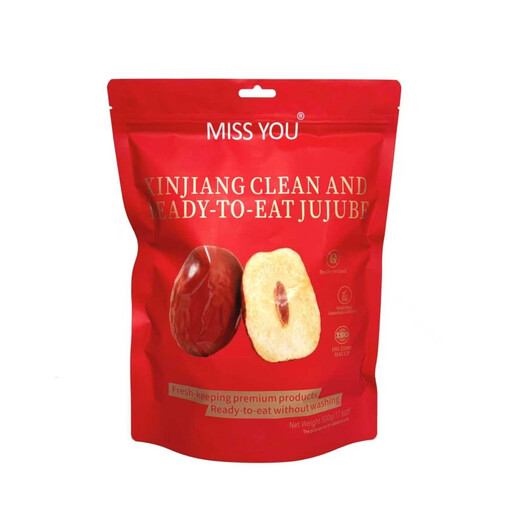
Haoxiangni Grade A wash-free jujubes 500 g
If you’re looking for dried jujubes that, according to the product description, are ready to eat.
304 kcal per 100 g; 500 g pack. Jujube is the only ingredient listed. The product information says the contents should be consumed immediately after opening.
Joybuy
Frequently asked questions
Is 20 g of dried fruit a compulsory limit for my purchase?
No. The Voedingscentrum’s recommendation to eat no more than 20 g of dried fruit a day is nutritional advice, not a legal limit on what you can buy or what a pack can contain. Also take into account any other dried fruit you eat that day.
Can a small portion of dried fruit be called ‘low energy’?
A small portion alone is not grounds for a ‘low energy’ claim. Under the European Commission’s rules, solid foods must contain no more than 40 kcal (170 kJ) per 100 g. It’s better to state the kcal in a clearly defined portion without suggesting that the product meets this requirement.
Can I use general calorie tables instead of the product label?
Use general values as a guide only. The Voedingscentrum says that average nutrition values can vary between brands, so calculate your portion using the label for the exact product.
What should I check if sulphites are a problem for me?
Check the allergen information on the pack for the exact product. The Netherlands Food and Consumer Product Safety Authority lists sulphites among the allergens that must be declared on prepacked foods. According to the product information, the regular Jumbo apricots checked contain sulphites.
What should I do if the pack differs from the online product information?
Before eating the product, use the information on the pack you have. Albert Heijn and PLUS warn that ingredients, nutrition values and allergen information can change. If you have questions, contact the customer or consumer service team at the relevant shop.


