
A small snack alongside your sandwich
Fancy something sweet with lunch, but want to limit the extra calories? Compare the same weight in grams rather than putting different portion sizes from the labels side by side.


First decide how many grams of dried fruit you want alongside your sandwich, then compare the energy for that same amount on the label. The four supermarket varieties reviewed do not meet the European criteria for the ‘low energy’ claim, but a smaller portion can help limit the extra calories. Storage advice and ingredients can help you choose a pack that suits your lunchtime routine.
Fancy something sweet with lunch, but want to limit the extra calories? Compare the same weight in grams rather than putting different portion sizes from the labels side by side.
If you’re taking a pack with you or using it over several days, check how the fruit should be stored once opened. Labels from brands including AH, Jumbo and PLUS give product-specific guidance.
Want to avoid added sugars or need to check for certain ingredients? Check the ingredients list and nutritional information for the exact variety; a sugar claim alone tells you nothing about the energy per portion.
First decide what matters most for your lunchtime snack, then compare the labels and packs that fit your needs.
| What to consider | What should you look out for? | Who should pay extra attention? |
|---|---|---|
| Portion and energy | Compare kcal per 100 g and work this out for the same weighed amount. | If your main aim is to limit the extra energy alongside your sandwich, the amount you eat is what matters. Around 39% of consumers prioritise limiting the energy in this snack. |
| Added sugars | Check both the ingredients and the nutrition table; total sugars and added sugars are not the same thing. | If you want to avoid added sugar, even if another variety has less energy per 100 g, check both details. Around 23% of consumers prioritise avoiding added sugar. |
| Taking it with you and storage | Check the storage advice once opened and see whether it suits your lunchtime routine. | If you take the fruit with you or keep a pack for later, you’ll want to know whether you can follow the instructions. For around 15% of consumers, taking it with them and storing it are top priorities. |
| Ingredients and allergens | Check the current ingredients list and allergen warnings for the exact variety. | If you need to avoid certain ingredients, suitability comes before comparing calories. Around 15% of consumers put this check first. |
| Pack size | Compare the pack weight with how much you’ll actually use and can store. | If you only have a small snack now and then, you’ll want a pack size that suits how you use it. Around 8% of consumers prioritise a practical pack size. |
AH Raisins state 0 g of added sugars, while also containing 344 kcal per 100 g. So the sugar information doesn’t mean they’re low in energy.
When choosing, use both the energy per 100 g and the weight you portion out, and check the ingredients list too.
The labels reviewed give portion sizes of 20 g and 50 g. Comparing the labelled portions can therefore mainly show the difference in quantity.
Work out the figures for the same number of grams for every variety before comparing the energy.
Voedingscentrum gives 40 kcal per 20 g as a general nutritional reference. The label for PLUS Dried Plums gives 282 kcal per 100 g for that specific variety.
For the pack you choose, use its product-specific nutrition table rather than automatically relying on a general figure for that type of product.
AH advises keeping the stewed apricots reviewed refrigerated after opening. Instructions may differ for other dried fruit varieties.
Follow the advice on the pack you actually buy. If you use the bag more than once, make sure you can keep it chilled as instructed.
AH sells products including stewed apricots and raisins; the labels provide product-specific information to help you compare quantities and nutritional values.
Jumbo lists Pitted Dried Apricots 250 g as a specific apricot variety.
Lidl presents Alesto as a range of dried fruit and nuts, including apricots.
ALDI lists Trader Joe’s Sun-Dried Apricots 250 g as a dried apricot variety.
PLUS Dried Plums 375 g is a specific plum variety whose product information lists ingredients and nutritional values.
Dirk lists 1 de Beste Pitted Plums 375 g as dried plums for snacking or using in baking recipes.
These dried fruit options are worth considering as a weighed snack with lunch. Compare the nutritional information for the exact variety with the amount you plan to eat.
 No image available
The product description names guava as the main ingredient and mentions it as a snack; the ingredients list gives 95% guava, sugar and a preservative.
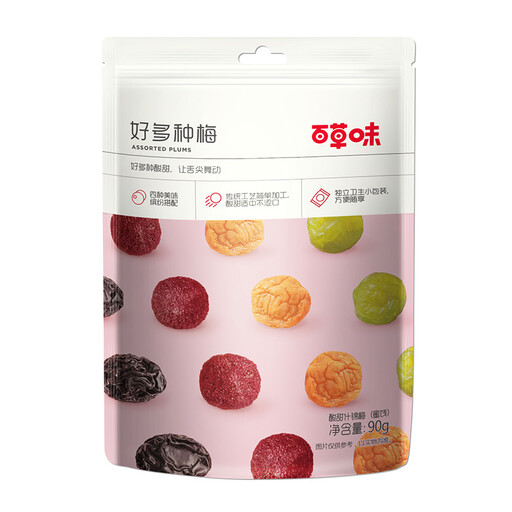 No image available
The product description mentions dried plums as a snack; the nutrition table gives 68 kcal and 3,0 g of salt per 100 g.
The ingredients list includes sugar, salt and sweetener. Use the nutritional information for this variety when weighing your portion.
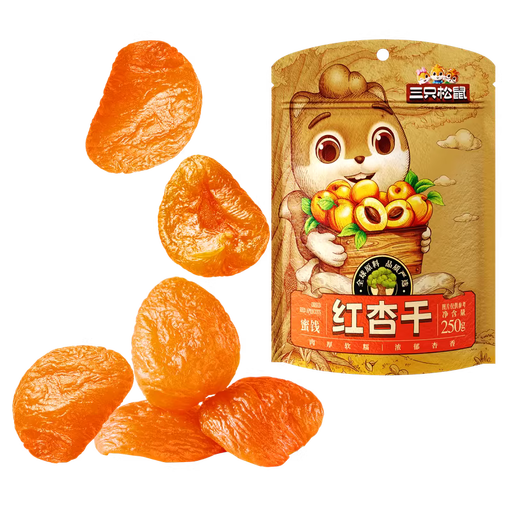 No image available
The product description gives 311 kcal per 100 g and says the apricots can be eaten straight from the pack.
The ingredients list includes sugar, maltose syrup and sulphites. Check this information if these ingredients are relevant to you.
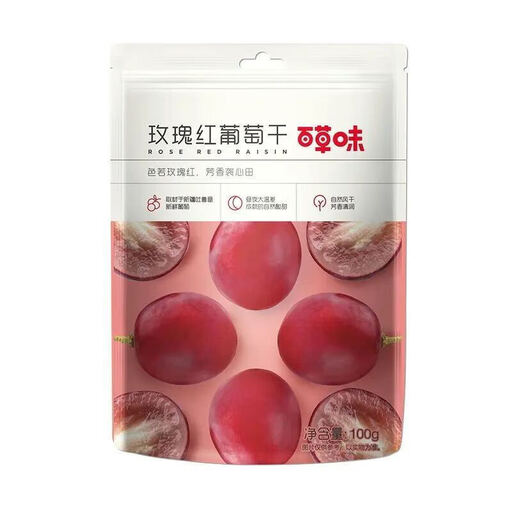 No image available
The product information lists red raisins and 330 kcal per 100 g. You can use this figure to compare the energy in your chosen portion.
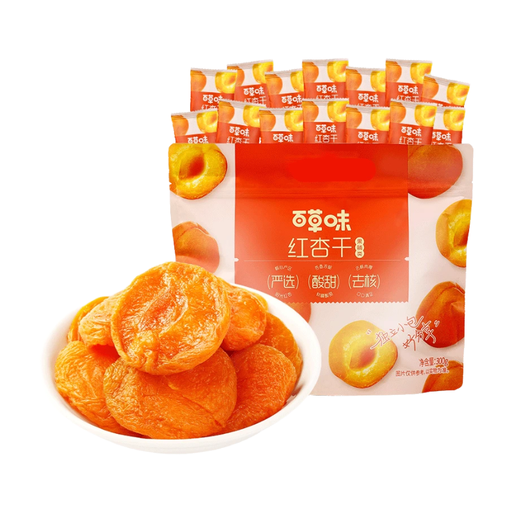 No image available
The product description gives 327 kcal per 100 g and says the apricots can be eaten straight away.
The ingredients list includes sugar, maltose syrup and sulphites. Check the information on the exact pack when making your choice.
According to the European Commission, the ‘low energy’ claim for solid foods requires a maximum of 40 kcal (170 kJ) per 100 g. A smaller portion doesn’t change that requirement. The four supermarket varieties reviewed are above this limit.
No, 20 g is used here as a standard amount for comparing products. Jumbo gives a portion size of 20 g, while AH gives 50 g for the apricots and raisins reviewed. These labelled portions don’t determine how much you should eat.
Follow the instructions on the exact pack. AH Stewed Dried Apricots should be kept refrigerated after opening, at a maximum of 7°C. This advice doesn’t automatically apply to other types of dried fruit.
The figures don’t necessarily describe the same product. Voedingscentrum gives 40 kcal per 20 g of dried plums as a general reference; the label for PLUS Dried Plums gives 282 kcal per 100 g. Use the product-specific nutrition table for that pack.
Check the ingredients and allergen warnings for the exact variety. The NVWA says that allergens must be clearly identifiable. The Jumbo apricots reviewed list sulphites and possible traces of nuts, peanuts and sesame.