What should you look for when buying?
First weigh your own portion, then compare nutritional values using the same amount. Finally, check that the ingredients and storage advice suit your working day.
| What to consider |
What to look for |
Who it matters to |
| Energy per portion |
Compare kcal per 100 g and calculate the values for the same portion weight. Manufacturer portion sizes can vary. |
If I want to keep the energy content of my work snack in check, I’d rather weigh it than guess at a handful. Around 36% of consumers make calories per portion their top priority. |
| Ingredients and sugars |
Read both the ingredients list and the sugar information in the nutrition panel. Check for any relevant allergen information too. |
I want to know exactly what’s in my snack and whether certain ingredients suit my personal circumstances. Around 29% of consumers make ingredients their top priority. |
| Storage and taking it with you |
Follow the advice on the packaging, paying particular attention to instructions for after opening. |
If I prepare a snack in advance, the storage advice needs to be practical throughout my working day. Around 21% of consumers focus mainly on ease of storage. |
| Pack size |
Check the net weight and consider how many portions you want to weigh out, and how you’ll store the rest. |
I want a pack that suits the number of lunch snacks I prepare, without treating the whole bag as one portion. Around 14% of consumers consider quantity and portioning the most important factors. |
Dried fruit on Joybuy
These Joybuy products are options to compare if you want to take dried fruit with you as a snack. Check the nutritional information and ingredients for each variety, and weigh out a portion to suit your own preferences.
 No image available
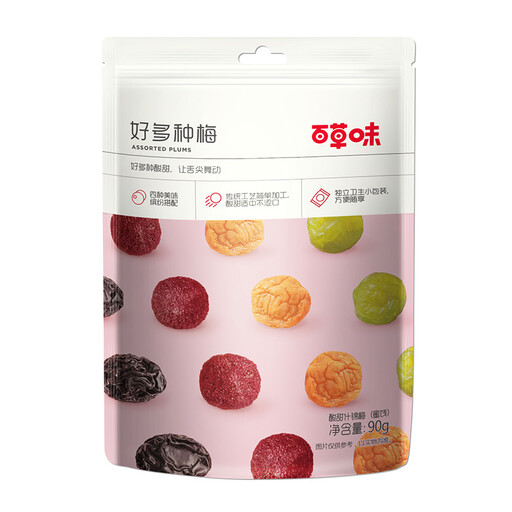
Be&Cheery Various Dried Plum 90g
The product description lists 68 kcal per 100 g, so you can compare the stated energy content using a weighed portion.
The ingredients include plums, white sugar and salt.
Joybuy
 No image available
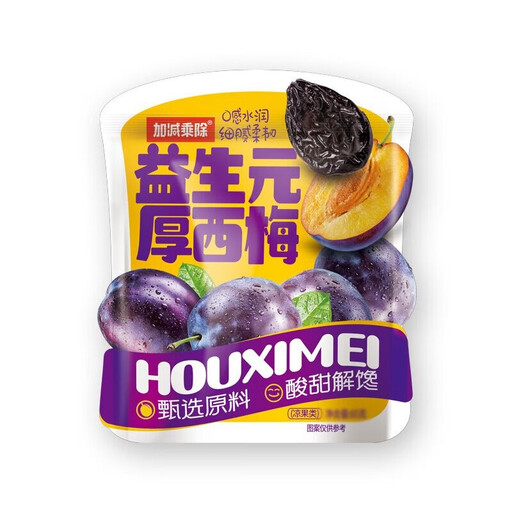
Jia Jian Cheng Chu Prebiotic Thickened Prunes 65g
The product description mentions individual 65 g packs and lists 214 kcal per 100 g.
The ingredients include plums, fructose syrup and oligofructose.
Joybuy
 No image available
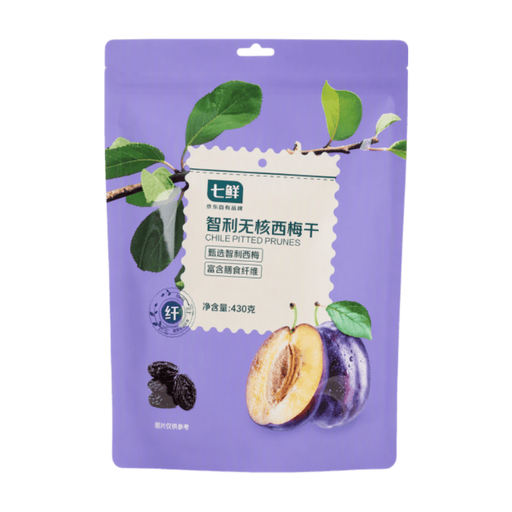
7FRESH Pitted Prunes 430g
The product description lists dried plums and 283 kcal per 100 g. The pack contains 430 g, so weighing out a smaller amount can help if you want to take less with you.
Joybuy
 No image available
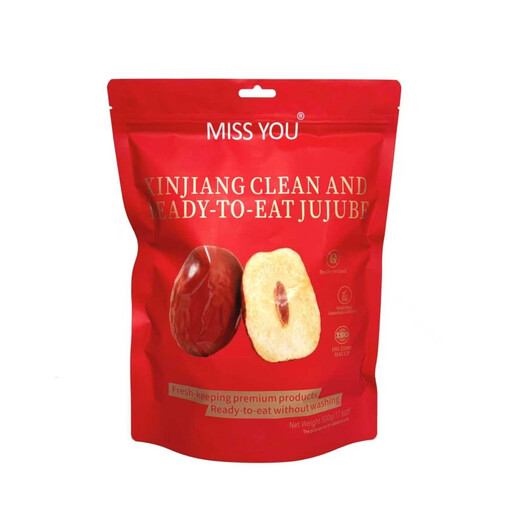
Haoxiangni Grade A Wash-Free Jujubes 500g
You can compare this variety using a weighed portion; the product description lists 300 kcal per 100 g.
According to the ingredients list, the red dates are 100% red dates.
Joybuy
 No image available
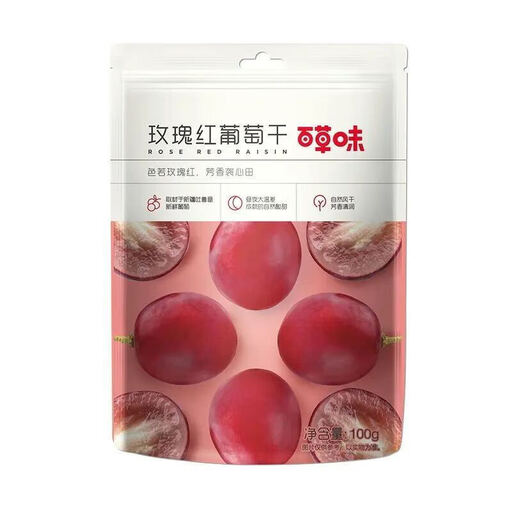
Be&Cheery Rose red raisins 100g
The product description lists redcurrant raisins and 330 kcal per 100 g, giving you a basis for comparison with your chosen portion.
Joybuy
Frequently asked questions
Can I call dried fruit low in calories if I only eat a small amount?
A small portion lowers the energy content of what you eat, but that doesn’t automatically make the claim apply to the product. According to the European Commission, the nutrition claim “low energy” for solid foods applies to products containing no more than 40 kcal per 100 g. So compare the nutritional value of the product itself.
Is 20 g a legal maximum amount of dried fruit?
No. The World Cancer Research Fund recommends eating no more than 20 g of dried fruit per day as dietary advice, not as a legal limit. When comparing products, use an amount such as 20 g as a consistent basis for calculation, not as personal advice.
Does dried fruit need to be kept in the office fridge?
Follow the advice for the exact variety. Albert Heijn says its soaked apricots must be refrigerated at no more than 7 °C after opening; Jumbo recommends storing its dried apricots, and PLUS its plums, in a cool, dry, dark place. Don’t apply one product’s storage advice to another.
What should I check on the ingredients and allergen information?
Read the ingredients list and allergen information on the packaging of the exact product. According to the Netherlands Food and Consumer Product Safety Authority, allergen information must appear on the label of prepacked products. Also check for statements about the possible presence of nuts, peanuts, sesame or sulphites if these are relevant to you.
What should I do if the packaging gives different information from the product page?
Check the current packaging before using the product and base your choice on the information for the variety you actually have. Albert Heijn and PLUS note that ingredients, nutritional values and allergen information may change.


