
Student on a lunch budget
If you regularly take a small portion with you, compare the price per kilo and consider whether you’ll use up the pack. Jumbo lists its own sultana range in 250, 500 and 750 g packs.


A larger pack makes most sense if you use small portions regularly or share the supply. Compare the price per kilo for the same type of fruit and think about how much you’ll actually use. If you use it less often, a smaller pack may be more practical. Check the ingredients and nutritional information separately from the pack size: no added sugar does not automatically mean low total sugar.
If you regularly take a small portion with you, compare the price per kilo and consider whether you’ll use up the pack. Jumbo lists its own sultana range in 250, 500 and 750 g packs.
If you want to consider both ingredients and quantity, check the ingredients list as well as the nutrition table. The Netherlands Nutrition Centre explains how dried fruit with added sugar is treated in the Wheel of Five; the World Cancer Research Fund provides separate dietary advice on how much dried fruit to eat each day.
If you share a pack, follow the storage advice on the product and check the allergen information for the variety you’ve chosen. The Netherlands Food and Consumer Product Safety Authority explains the requirement to provide allergen information; this does not automatically make a product suitable for everyone with an allergy.
First decide how often you’ll use a portion for lunch, then compare the pack size and ingredients of the same type of fruit.
| What to consider | What to look for | Who might this matter more to? |
|---|---|---|
| Cost per lunch portion | Compare the same type of fruit per kilo and work out how many portions you’ll get from the pack. Jumbo lists several pack sizes in its own sultana range. | If you mainly want to manage the cost of regular lunch portions, look at both the price per kilo and how much you’ll actually use. Around 28% of consumers say price per portion is their main buying priority. |
| Ingredients and quantity | Read the ingredients list and nutrition table; check added and total sugars separately. | If you’re choosing products based on their ingredients and want to weigh your portion, both details are relevant. Around 22% of consumers prioritise ingredients and portion control. |
| Taking it with you | Take a measured lunch portion rather than the supply bag. Check whether the pack you choose is resealable; ALDI notes this for its 200 g mix. | If you mainly want a small amount to take with your lunch, you can plan your supplies and portion for taking out separately. Around 22% of consumers put convenience for taking food with them first. |
| Using up your supplies | Choose a pack size that suits how often you or your household eat it, and follow the storage advice for the specific product. | If you want to avoid waste, choose an amount that suits how much you plan to use at home. Around 17% of consumers say using up their supplies is their main priority. |
| Allergens and sharing | Check the variety name, ingredients and allergen information on the pack; a mix may contain different ingredients from plain fruit. | If you share supplies and someone has a specific allergy or intolerance, check the exact variety. Around 11% of consumers prioritise safe sharing and allergen information. |
A larger pack gives you more, but that alone doesn’t prove it has a lower price per kilo or offers better value if you don’t use it all.
Compare the same type of fruit per kilo, then choose a pack size that suits how often you use it for lunch.
Worth considering if you’d like to look at soaked dried apricots as well as raisins.
The sultana range is worth considering if you want to compare different pack sizes for regular use.
Belbake Raisins are an option to consider if you’re looking for a larger bag.
The product pages are useful if you’re looking at either a bag of raisins or a smaller fruit mix.
Worth considering if you’re looking for a medium-sized bag of raisins or want to explore other dried fruit.
Worth considering if you want to include 1 de Beste Sultana raisins in your comparison.
These products go well with a lunch featuring dried or freeze-dried fruit, with nuts as an optional addition.
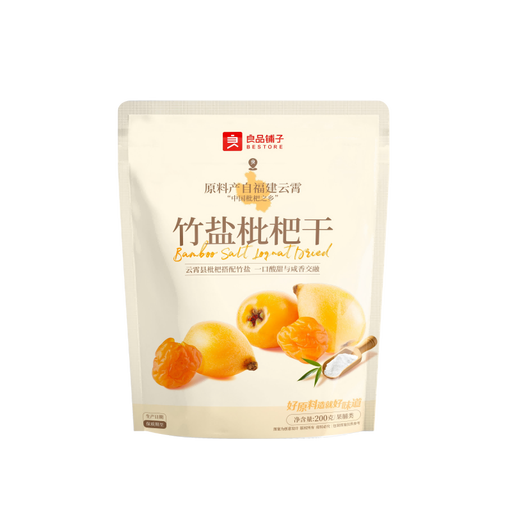 No image available
Suitable if you’d like to take a different dried fruit with you as well as raisins; the product description says it contains at least 70% loquat fruit.
The ingredients list includes white sugar, syrup and glucose powder. Contains sulphites.
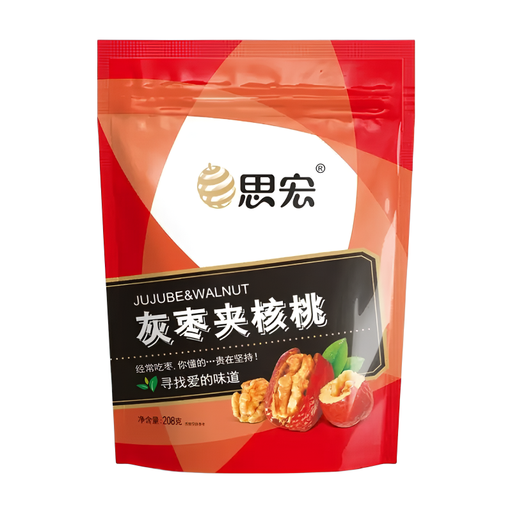 No image available
A good fit if you want to combine dried dates and nuts for a lunch on the go.
The ingredients are grey dates and walnut kernels. Contains walnuts; bear this in mind if you have a nut allergy.
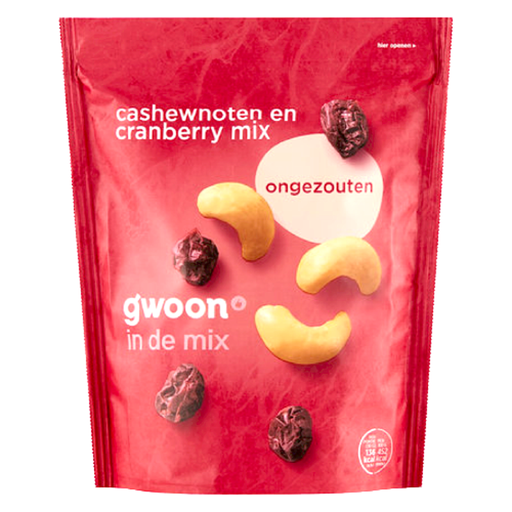 No image available
Suitable if you want to take dried cranberries with nuts instead of dried fruit on its own.
The description lists 50% cashew nuts and 50% sweetened dried cranberries. Contains cashew nuts and may contain traces of peanuts and other nuts. Reseal the pack securely after opening.
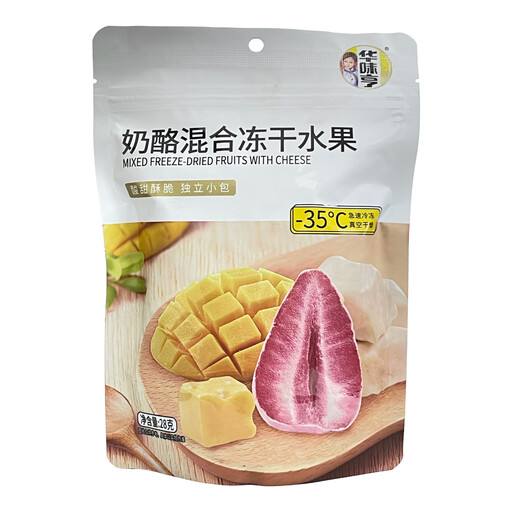 No image available
The individually wrapped 28 g portion is designed as a small snack to take with you, not as a pack for storing at home.
The stated best-before date is 24 September 2026, which has passed. Check the current date on the pack before buying. Contains soya and milk.
Using 20 g as a portion for calculation purposes, 500 g gives you 25 portions, 750 g gives you 37 full portions with 10 g left over, and 375 g gives you 18 full portions with 15 g left over. The World Cancer Research Fund recommends 20 g a day as dietary guidance; this is not a legally defined portion size.
No. PLUS lists its own Sultana raisins as containing 0 g of added sugars and 68.2 g of total sugars per 100 g. Read the ingredients and nutrition table together; these figures apply to that specific product.
No. The Netherlands Nutrition Centre gives general cupboard storage advice for opened raisins; for yoghurt, it recommends storage at 4 °C and putting the product back in the fridge promptly after use. So don’t use the advice for dry raisins for a prepared yoghurt lunch.
Yes. According to the Netherlands Food and Consumer Product Safety Authority, a food business must provide information about allergens in unpackaged food. This information must be available before purchase; the NVWA explains when it can be provided in writing or verbally.