What should you look for when choosing?
These points can help you assess dried fruit as an addition to your university lunch.
| What to consider |
What should you look for? |
Who is this important for? |
| Fat content and claims |
Compare the fat content per 100 g. Don’t treat ‘low fat’ and ‘reduced fat’ as interchangeable. |
If you’re mainly watching your fat intake, you’ll want to compare the nutritional information rather than relying on a product name. Around 36% of consumers make limiting fat their top priority when shopping. |
| Sugar and portion size |
Check the ingredients and nutritional values; also consider the energy and sugar content of the amount you eat. |
If you want a small lunch snack without unnecessary added sugar, both the ingredients and your actual portion size matter. Around 29% of consumers give sugar and portion size their highest priority. |
| Taking portions with you |
Check the weight of each box and how many boxes are included. |
If you want to take a pre-portioned snack with your lunch, the weight of each pack is relevant. Around 21% of consumers prioritise convenience when taking food with them. |
| Portioning it yourself |
Check the net weight and think about how you’ll portion it out yourself. |
If you eat dried fruit regularly and want to decide how much to take with you, a larger bag may suit you. Around 14% of consumers give portioning their own snacks and pack size the highest priority. |
The World Cancer Research Fund advises eating no more than 20 g of dried fruit a day. This is dietary advice, not a legal limit for purchases. A claim about fat also doesn’t replace checking the ingredients, sugar, energy and portion size.
Dried fruit at Joybuy
These products are dried fruit options for a lunch snack. Where nutritional values are available, you can assess them alongside the ingredients and your portion size.
 No image available
Haoxiangni Dr.Jujube Premium Gold-Grade Pitted 390 g
An option if you’re looking for a ready-to-eat lunch snack and don’t want to weigh out a portion yourself.
The product information lists 0 g of fat per 100 g and 100% jujube. The pack contains 390 g. Consume immediately after opening.
View at Joybuy
 No image available
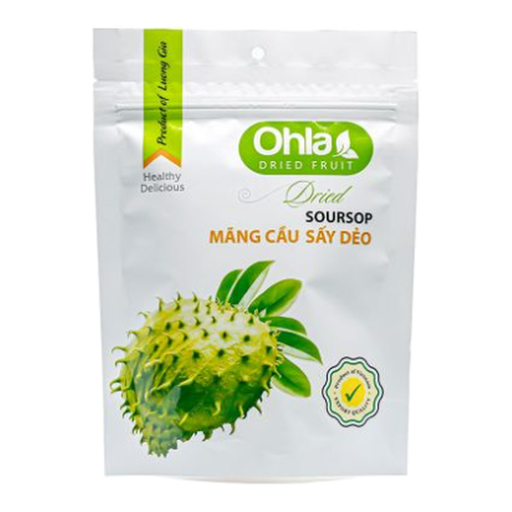
OHLA Dried Soursop 180 g
This variety may suit you if you want to take dried soursop with you; check the ingredients too if you want to avoid added sugar.
The product information lists 2,21 g of fat per 100 g and around 95% soursop. The ingredients list includes white sugar, glucose and sodium metabisulphite. Store in a cool, dry place.
View at Joybuy
 No image available
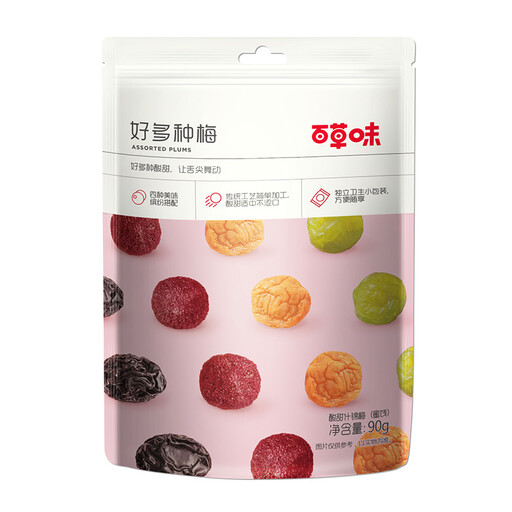
Be&Cheery Various Dried Plum 90 g
The smaller pack is an option if you want to take a limited amount of dried fruit with you.
The product information lists 0,2 g of fat per 100 g. The ingredients list includes white sugar; the nutritional information lists 3,0 g of salt per 100 g.
View at Joybuy
 No image available
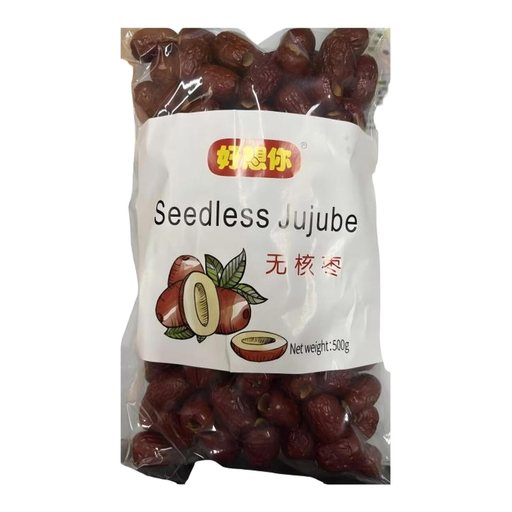
Haoxiangni Pitted Jujubes 500 g
A larger pack may suit you if you want to decide how much to take with your lunch.
The product information lists 0,5 g of fat per 100 g and 100% red dates. The pack contains 500 g, so you’ll need to weigh out your own portion.
View at Joybuy
 No image available
Sundrop Mini Raisin Handouts 252 g
This raisin snack may suit you if you want to take raisins with your lunch.
The product information lists 99,5% raisins and sunflower oil. The pack contains 252 g.
View at Joybuy
Frequently asked questions
What fat limit applies to a ‘low fat’ claim?
For solid foods, the European Commission sets the limit at no more than 3 g of fat per 100 g. Compare the nutritional information per 100 g; a small box doesn’t change that reference basis.
Does ‘reduced fat’ mean the same as ‘low fat’?
No, don’t treat the terms as interchangeable. The limit of no more than 3 g of fat per 100 g applies to a ‘low fat’ claim for solid foods; assess any comparative claim using the information for the exact product variety.
How do I work out the label values for my lunch portion?
Multiply the value per 100 g by the weight of your portion in grams, then divide by 100. Use the same portion weight for each product if you want to compare fat, energy or sugar.
How much dried fruit can I take as an addition to my lunch?
The World Cancer Research Fund advises eating no more than 20 g of dried fruit a day. This is dietary advice, not a legal standard, and it doesn’t mean that amount makes up a complete lunch.
What allergen information should I check for fruit from the canteen?
For pre-packed products, read the allergen information on the label. Before buying an unpackaged product, ask for information about the exact variety. The Netherlands Food and Consumer Product Safety Authority lists nuts, sulphur dioxide and sulphites among the allergens for which information is relevant.


